

Are The Kids Alright?
How Weapons exposes the horrors of children online

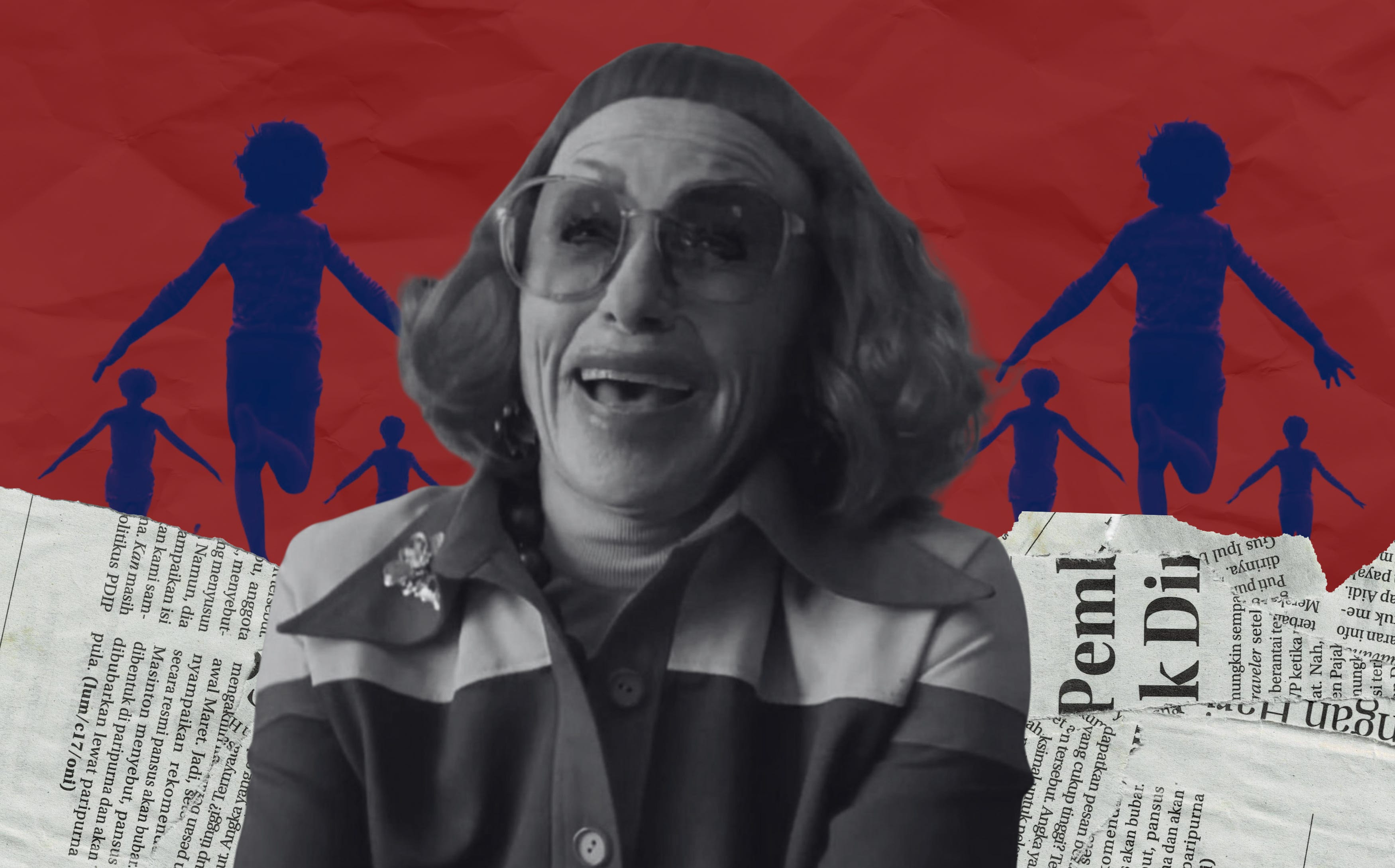
Weapons (2025) was a weird, divisive, fascinating movie. When I went to go see it on opening weekend, I was met with articles telling me that I had to see this film with a full theater. The issue is that when I bought my tickets, I was the only one scheduled to watch it. Cue me thinking my movie experience would be ruined because I’d be a lonely watcher on a rainy afternoon.
Thankfully, Saturday came, and the theater was surprisingly full of life.
As it poured outside, I watched a story unfold about how 17 kids vanished at 2:17 AM. I didn’t really have any set expectations for this movie; I was excited because it seemed original, but certainly I had no concept of what the film would actually be about.
Yet, despite having no expectations… I still walked out of the theater thinking, “Well, that wasn’t what I expected.”
That doesn’t mean I didn’t enjoy the movie. In fact, it was actually a fun watch, and the people telling me to see it with a full audience were right in saying so. There were multiple instances of sharing laughter and thinking “wtf does that mean?”
But by the end of the movie, I kept asking what Weapons was even about. This is one of those movies where you feel like it’s supposed to mean something deeper but fail to really understand what the hell it’s trying to convey.
Some have suggested it to be an allegory for school shootings. Which, while I understand how that could work (especially with the giant AK-47 hovering above a house in that dream sequence), I don’t think it actually has anything to do with that at all.
Looking for answers from director Zach Cregger doesn’t make things any clearer. Cregger explained that he came up with the movie after the death of his best friend, essentially summing Weapons up to be a film about grief and alcoholism. And that totally tracks, but the rest of the internet has been arguing about the “deeper” meaning of this movie since its debut in August.
That leads me to this conclusion: Weapons is about whatever you want it to be about. And for me, the more I looked into it, the more I could see it acting as an exposé for the horrors children face online.
Perhaps a lot of that comes from my own childhood as a Gen Z, watching how many Gen Alpha kids are being raised by iPads. It is just a little heartbreaking to see that children are becoming more addicted to their screens every year, with many spending anywhere from 4-6 hours on their devices.
So, when I take a step back and examine the relationships between the children, their parents, Aunt Gladys, and the school… there’s an interesting connection between Weapons and the modern-day issue of internet safety and screen addiction in our youth.
Weapons may not have spoon-fed us answers… but if we look closely, our screens might.

The Aunt Gladys Problem
Aunt Gladys is a parasitic witch that feeds on the energy of others, which makes her a perfect stand-in for the predators that lurk online.
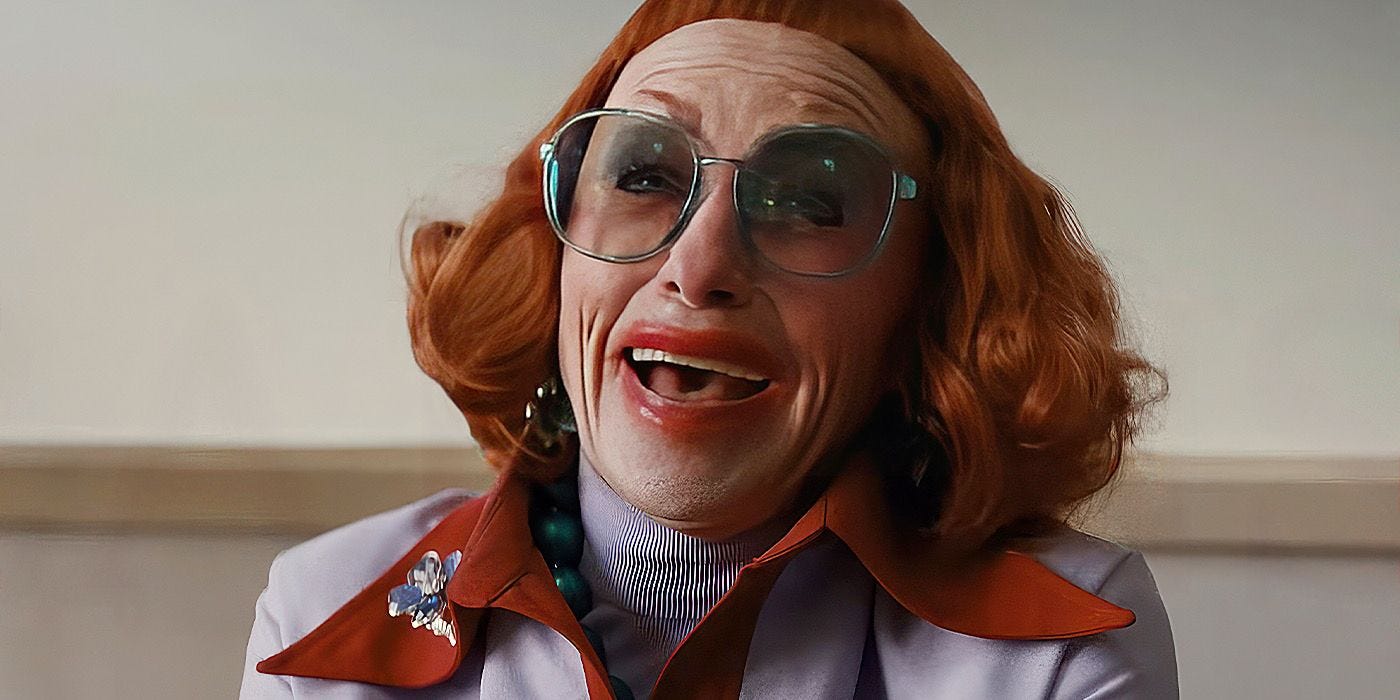
Her name seems harmless, maybe even comforting. “Gladys” sounds like an old lady who gives you those strawberry hard candies from her purse and bakes cookies anytime you come over. And considering she’s an “aunt,” there’s an idea of familiarity, trust, and safety. She is purposely there to gain trust, disguising herself behind a sweet nickname.
When Aunt Gladys first comes in, the audience can sense something is off. She presents herself as a fragile old woman, seeking peace in her niece’s home as she’s knocking on death’s door.
However, her mask is quick to fall off. Suddenly, she’s healthy again, dancing around with a smile on her face. All of this comes unnaturally, of course, as she begins taking the energy from others to rejuvenate herself. With that comes the want to siphon the energy of the children from her great-nephew’s classroom.
Perhaps that’s what makes Aunt Gladys so creepy; she’s not a monster, but rather the same league as the witch from Hansel & Gretel. She’s the exact mirror to those who perform predatory behavior toward children online.
We see Aunt Gladys groom her great-nephew (Alex) into performing cruel acts for her, gathering the personal belongings of his fellow classmates so she can perform a spell that would cause the children to come flocking to her. In doing so, she emotionally manipulates Alex by threatening his parents’ lives, yet at the same time, tries to come across as some loving family member despite her sinister undertones.
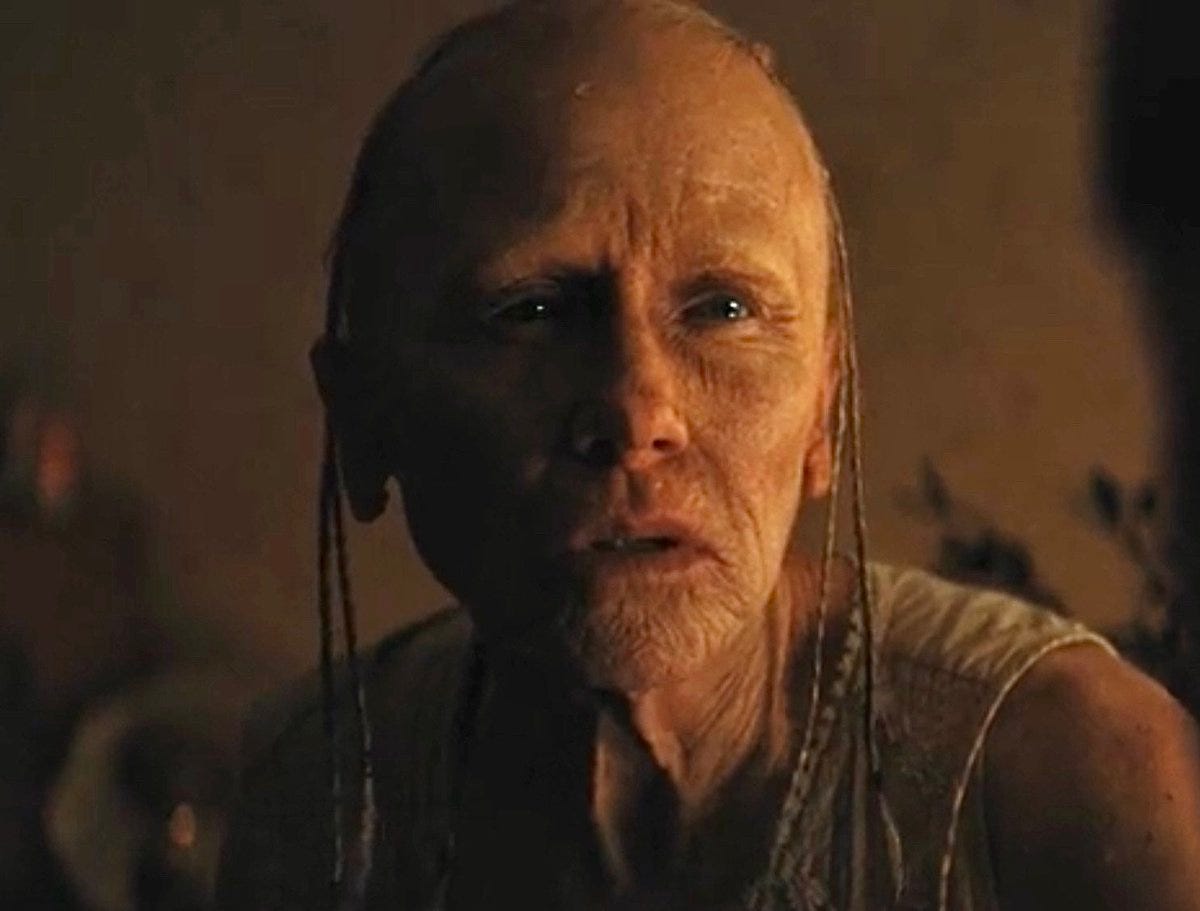
Taking a step back, we see how similar Aunt Gladys is to the average online predator. The fake identity, the false sense of security, the need to lure her victims in. The children flock to her not because they want to, but because they are hypnotized to.
It’s the same thing we see time and time again with victims of online grooming and kidnapping. Children are groomed into these interactions, brainwashed into believing that everything their predator tells them is truth.
This is especially prevalent in today’s age of unsupervised access, where children seemingly have free-range to any website as long as its labelled as “kid friendly.” Take the recent case with Roblox, for example, as multiple players have come to tear down the game.
Marketed as a child friendly multiplayer computer game, Roblox has been exposed again and again for hosting predators on its platform without any real action to get rid of them.
Schlep, a popular YouTuber who exposed the predators on Roblox, was permanently banned not too long ago, despite his findings leading to several arrests. Although a sane individual would argue that he has helped make the platform a safer space for children, Roblox argued he was a “vigilante” and put other players at risk, disregarding that Schlep reported his findings to the proper authorities.
Because of this, Chris Hansen of To Catch a Predator fame is even working on a documentary about the company, gathering testimonies from victims to expose the platform.
All this led to the state of Louisiana suing Roblox for “prioritizing user growth, revenue, and profits over child safety.” A big step in the right direction, especially when it’s toward a corporation who won’t even admit to predators being an issue.
It’s no surprise that a petition for the current CEO of Roblox to resign circled around… but why is Roblox being so weird about all of this?
Because Roblox is a corporate entity first and foremost. Roblox cares about money, not the safety of their players. Or, at least, not the safety of their child players.
Over the years, Roblox has become just as popular with adults. 18+ servers are all over the place, with some being themed to sex games. Not every adult playing Roblox has ill intent, of course, but there’s certainly a huge problem with how Roblox has become a breeding ground for predators because the platform makes it so easy for them.
With that, having people target the predators in their games (the ones that spend money and probably play the most hours) becomes a threat to Roblox’s revenue.
These predators lure children in with fake identities, fake ages, and sob stories. They lure them in with Robux, offering to buy them in-game items. They lure them in by pretending to be “relatable” to earn a kid’s trust.
Meanwhile, Roblox protects these predators while pretending to care about safety. In reality, both the corporations and these sickos want one thing: the trust of innocent children.
Just like Aunt Gladys, they are parasites feeding on the naivety of developing youth for their own gain. One does it for energy. One does it for money. One does it for unspeakable and disturbing wants.
Hidden in Plain Sight
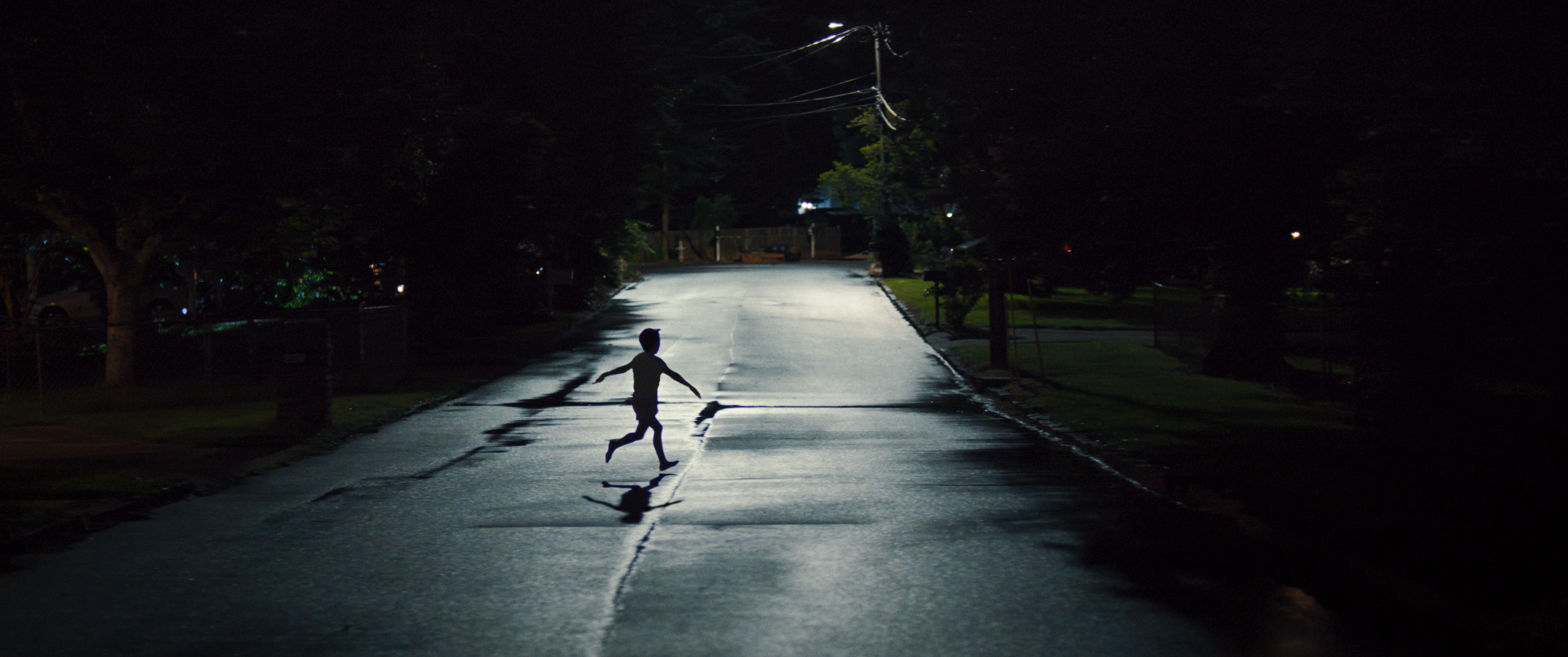
One of the plot twists in Weapons comes through the reveal of the 17 missing children—crammed into the basement of Alex’s home. Alex, the only child who didn’t disappear, has been aiding Aunt Gladys in keeping them alive as she feeds off their energy. The kids stand motionless in the dark, their pajamas stained with Campbell’s soup, all of them deep in a trance from Aunt Gladys’ spell.
I remember this being a weird reveal, only because it was wedged in-between comedic moments of James, the homeless drug addict character, who breaks into the home to steal items to sell for his latest fix. He stumbles into the basement to find the kids had been shoved in there like a can of sardines.
It’s almost absurd, but James doesn’t really care about anything going on. He focuses on his safety first and foremost, of course, but doesn’t actually think about reporting the children to the police until after he sees there’s a monetary reward.
The dissonance is intentional, obviously… but in the new context of seeing this film as a warning against the online horrors children face, it becomes a lot more sinister.
Children are often left in the dark about what they see online. Hidden in plain sight, the disturbing images or videos they come across can not only leave them traumatized but alter their way of thinking.
As silly as it might sound, some of that does come in the form of modern day brainrot.
It may come as no surprise that Gen Alpha has a “brainrot problem,” as AI slop has been churned out to feed their entertainment sector. But even outside of the AI-generated videos were those god-awful YouTube channels that cranked out nursery rhymes almost every hour of the day.
These may seem harmless, and honestly, I may be biased simply because I found them annoying as all hell, but this type of content can destroy children’s brains. I don’t mean that in a “video games kill” type of way either—brainrot relies on dopamine hits.
Similar to how we adults can get addicted to social media due to the quick rewards, children do tenfold. Addiction within children is much harder to control, and when they’re offered unlimited access to their screens, they’re vulnerable to some of the most insane content imaginable.
Things like Cocomelon, Mr. Beast, Skibidi Toilet (God help us) are all examples of dopamine miners. The return? Kids are hit with short attention spans and loud overstimulation. No longer are kids watching TV with fun narratives or educational content but rather watching videos that rely on flashy and fast edits for retention.
I’m not saying that Gen Z didn’t have our own brainrot; believe me, I remember everything from my days of scouring the internet as a child. YouTube Poops, DeviantArt fetishes, beloved characters being inflated that I never wanted to witness (damn it was rough being a Sonic enjoyer as a kid).
But I also remember watching Sesame Street, Dora the Explorer, The Upside Down Show, Blues Clues, and Boomerang. I watched SpongeBob SquarePants, iCarly, The Suite Life of Zack and Cody, and whatever other shows that were offered by Nick and Disney Channel—these were shows that taught me narrative structure and how to sit down for a full-length episode, and I still find myself quoting them even now as an adult.
Gen Alpha doesn’t really have that luxury. Disney Channel is dead. Nickelodeon is making iCarly 18+ and terrible new SpongeBob episodes. Maybe Cartoon Network offers something for them, but I truly have no clue.
Yet, this isn’t even the worse of Gen Alpha’s problems. It isn’t just the brainrot they consume, it’s the sick freaks who create content as a mean to brainwash an entire generation.
Let’s go back to 2016: I was a freshman in high school. Trump was elected president for the first time. Harambe died. Hamilton was making Broadway cool again. The Olympics were in Rio. I think there was something about all of us looking like idiots finding Pokémon, but I don’t remember.
There was a lot going on, but underneath it all was the emergence of exposé videos about something called Elsagate.
From 2013-2017, multiple channels accross YouTube created videos that depicted Elsa and Spider-Man in compromising positions. Some of them were sexual, others relied on fetish content and violent behavior.
I remember right around 2016-2017, Elsagate was being exposed as something huge. Not only were these channels exploiting children, but they were purposely trying to brainwash the next generation.
Some of the victims are now old enough to understand the problematic behavior that these videos caused, with many of them suffering emotionally because of what they groomed into “enjoying.”
Circling back to Weapons, the kids that stay hidden in the basement are a direct analogy to what many children still face online.
These horrors aren’t on the dark web; they often never are. They’re hidden in plain sight for all to see, available on the clear web at any child’s fingertips.
Elsagate never truly died. Now it just presents itself through TikTok, with the algorithm pushing “fetishtok” and sexual content to underage users.
Kids often feel like they have to stay in the dark about what they’ve witnessed. What if their parents get mad at them for looking at that content? What if they get in trouble?
Well, that’s where everything starts to crumble.
I Have No Mouth But…
Weapons ends with the children being released from the witch’s curse. That’s mostly because they tore her apart in a scene that’s utterly goretastic, although I have to admit it made me think of Smiling Friends when I first saw it:
Although the kids are no longer under Gladys’ control, they don’t bounce back immediately. It’s implied they don’t really back bounce at all, with it taking almost year for them to even utter a few words again after what they endured.
The 17 kids of Weapons are scarred, silent from the trauma.
Similarly, many kids stay silent about the damage they gain from being online. Multiple reports often go on about how children will refrain from telling their parents about being groomed because they’re scared of the repercussions, feeling as if their parents will punish them due to the circumstances.
Others feel they are forced into silence from the predators themselves, being threatened with violence or even “sextortion” in some cases.
Because of this, many cases of online grooming go unreported, allowing predators to get away with their crimes.
I do wish we were in a place where children felt more free to speak about these experiences. It’s no fault of the child that they feel isolated and alone in these difficult situations. And that only gets worse later on, when the children feel the need to bottle up their feelings instead of seeking proper help.
It feels eerily similar to the children in Weapons tearing Gladys apart; that is the result of children not having a space to go to, finally letting their emotions out on the world.
Because if you never feel like you have a choice… one day the world has to hear you scream.
Gen Z vs. Gen Alpha: How Different Are We?
As a Gen Z, I remember my childhood online. I certainly played iconic games like Club Penguin, Poptropica, and Wizard101… but I also explored the depths in a way I shouldn’t have.
During the day was when I would play outside making mud pies and jumping on my trampoline, but at night was when I would peruse the web in secret. That was when I was exposed to things like “shock videos” - which, luckily, I never saw anything from LiveLeak, but I certainly got a handful of jumpscares from zombie ladies.
Still, I remember the things I shouldn’t have seen at that age. I remember the porn and the fetish content that would invade my favorite fandoms, creeping into what I felt was innocent searches at the time.
Websites like DeviantArt weren’t for the weak: the amount of weirdo content on there is inconceivable, but my child brain didn’t think there was anything wrong with being on there. After all, I was an artist too… right?
What I’m trying to say here is that my generation already went through this. We had the luxury of some of this stuff being behind walls, at least, but Gen Alpha isn’t so lucky.
There’s a reason why many older Gen Z advocate for children to stay off the internet: because we know all too well what lurks within it.
Gen Alpha can turn on their iPad and have easy access to these things without even searching for them. They can just pull up any Twitter/X account and boom, there it is.
I don’t want Gen Alpha to suffer the same fate that we did in our childhood… I want them to actually keep their innocence.
So, is Weapons about screen addiction in children? No, but that doesn’t mean we can’t use it as a warning.
I think Weapons is a movie that teaches you to be present. Through the film, people are holding onto the past, the unknown, the what ifs. In our real world, we’re all too glued to our phones to pay attention to what’s right in front of us.
And that’s why I was so happy to see my theater packed full of people when I went to go see it that day. I remember clearly overhearing a conversation from two friends that were a few seats down from me in my row—one was explaining what the other had missed, and it seemed to be in actual detail.
As simple as it was, it made me feel weirdly happy to know people still care about the movies they watch. Sometimes, the phone flashes and obnoxious “I paid to be here but I actually don’t care” giggles can be frustrating when you’re trying to watch somebody’s art be told on screen, but those little interactions of catching people care… well, that means something, doesn’t it?
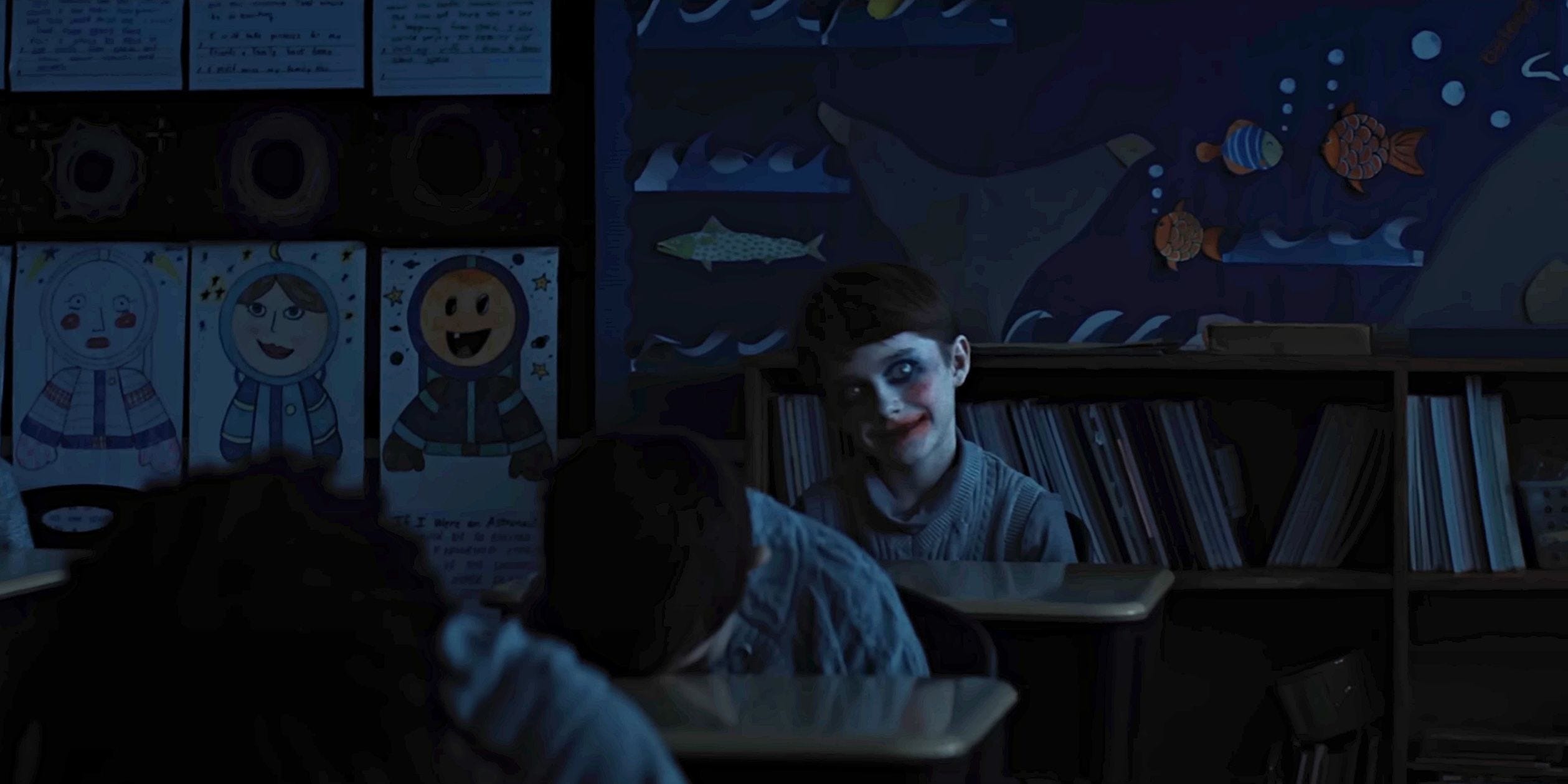
And maybe that was the point of Weapons, after all. Maybe we were supposed to simply care that 17 children went missing, even if we don’t really know what to do about it. Maybe caring is all we can ever do, because at least our children can know we still have compassion for them no matter how dark it may seem.
So, no… Weapons isn’t exactly about internet safety or anything like that… but we can still care about it like it is.
Amazing work here! That was such an enlightening and sobering read. I’ve seen Weapons twice now and reas a ton of analysis. Seeing it through your lens now, I have to say—the safety (or lack thereof) of children online is the strongest and best metaphor in the film.
Love this and reminds me of another piece I read on the senselessness of horror (and how the lack of logic is exactly what makes it so scary) from Jimmy Hollenbeck!