

Cabin Fever vs. Coastal Horror
In a world of summer horror movies, which setting is the most terrifying?


Summer sometimes feels overlooked in horror. Although many popular horror movies—like The Texas Chainsaw Massacre and Friday the 13th—take place during the hotter months, we typically associate the genre with the fall season. That’s probably thanks to Halloween, but what about the horrors of summer?
When I think of summer horror, my mind jumps to two specific sub genres: cabin horror and beach horror. Cabin fever for the vacationers; coastal horror fo the sun chasers.

CABIN HORROR AND THE MADNESS OF ISOLATION
Cabin horror films are everywhere—from The Evil Dead to Cabin Fever, this subgenre thrives on isolation and nostalgia. Some of the most popular movies in the genre use the humble cabin as a backdrop for their stories. But why? What makes the cabin so popular?
In the simplest explanation: the cabin is a source of comfort for many. It serves as the setting for many vacation homes. It acts as the reminder of fishing trips or nostalgic days of camping. The scent of cedar and s’mores fill the air almost instantaneously when the smell when the word “cabin” is mentioned.
For any of us who have had the privilege of visiting a cabin for a trip, it’s the nostalgia of comfort that horror plays with.
But for those who have never experienced this? That’s when the cabin setting is flipped into isolation, focusing on the remote setting of these environments.
Paranoia of the Mind
cab·in fe·ver
/ˈkabən ˌfēvər/
noun
INFORMAL•NORTH AMERICAN
irritability, listlessness, and similar symptoms resulting from long confinement or isolation indoors during the winter.
Within a remote cabin in the woods is someone alone and no longer content. Although framed as the perfect getaway, the cabin no longer serves its purpose. Once a rustic vacation turns into a claustrophobic log frame. The peaceful forest becomes nothing more than a twisted maze - the singing of the birds turn into squawking laughs.
Summer horror is a slippery slope of a thing, then. As films lean into this idea of the dreaded “cabin fever,” they have to challenge themselves more and more to give the audience something new and exciting.
Sam Raimi’s The Evil Dead franchise took this idea and didn’t just run with it — they flew with it. Evil Dead 2, the confusing sequel/remake of its predecessor, is possibly the best example I could bring up. The sequel is confusing not because the plot line is hard to follow, but rather because it acts as a weird middle ground for the series’ franchise. Is it a sequel? Is it a remake? Is it even canon? You can thank the Ash vs. Evil Dead series for making me rock in a corner at night rethinking every little detail of the timeline.
But we aren’t here to talk about why the Evil Dead timeline makes me feel like a mad woman. We’re here to talk about the extreme cabin fever experience in Evil Dead 2.
The film starts with Ash Williams taking his girlfriend, Linda, to a remote cabin in the forest for a romantic getaway. The opening is often overlooked, I feel, but it is a really beautiful and sweet slice of life moment. Ash and Linda are actually in love, and Ash is still presented as the more quiet and reserved version of himself before terror strikes.
So it means a lot more when the goofy horror-filled shenanigans of the movie began to take place. The one particular scene I want to bring up, however, is the classic scene where Ash is alone in the cabin and forced to face the strange demons of the Necronomicon.
But the demons aren’t what you usually expect. No, they’re trapped inside the taxidermy animal heads on the wall - heads that come to life, mocking Ash with uncontrollable laughter.
This scene is silly, goofy, crazy, and all of the above… but it’s also a fantastic example of cabin fever. The audience doesn’t know if he’s hallucinating or actually experiencing the heads laughing, especially because he begins to laugh with them. It becomes a scene of madness due to the traumatic events leading up it, with the isolating forest starting to get to his head in real time.
But if Evil Dead gave a deranged version of cabin fever, what other examples are there in horror?
I’d be crazy to not mention the film quite literally named Cabin Fever, which centers around a group of college students renting a cabin out for October break. However, as they soon come to find out, an infection is spreading.
What Cabin Fever does is not just explores the psychological aspects of the feeling isolated, but rather gives us a disease that mirrors what it feels like physically. Cabin Fever serves as a key example of body horror in the cabin setting—the longer the characters stay isolated in the cabin, the more they rot. They begin to turn on each other, reflect on who to trust, and become less and less humane.
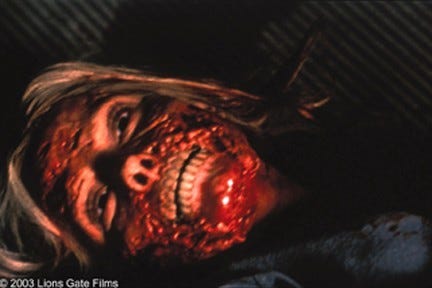
At the same time, their psychical identity rots from the inside-out. Their bodies fall apart, with flesh sagging and ripping off. It is a body horror nightmare meets psychological horror. They don’t just experience the mental aspects — they discover the haunting reality of what it means to be alone and unseen.

BEACH HORROR AND THE ILLUSION OF PARADISE
What’s better than a sunny beach day? Rays hit your skin, ocean waves crash in the distance, and the salty air fills your lungs in a relaxing comfort.
But what about the days of uncertain dread? The shark fever? The great unknown under the sea? Deep sea creatures undiscovered, painful sunburns, chaotic and uncontrollable waves.
What about Santa Carla, California?
Was Any of it Real?
coas•tal dread
/ˈkōstəl dred/
noun
INFORMAL•NORTH AMERICAN
A creeping sense of unease tied to coastal environments—where the serenity of the shoreline masks isolation, transformation, or the unknown. In horror, coastal dread lures with salt and sun, then leaves you stranded with something monstrous.
When we think beach horror movies, The Lost Boys might not be the first to come to mind… but it should be. This 1987 cult classic blends together vampire horror with a coastal setting, introducing the audience to a fictional seaside town named Santa Carla in California.

The film is drenched in broadwalk neon, rockstar rebellion, and Coreys. Often overlooked in the coastal horror category, The Lost Boys is the perfect example of how horror can hide its fangs under the sunny rays of California beaches.
The boardwalk in the movie is alive and well, with shops, games, and amusement rides. It’s the idealized town for a young teen, where one can explore themselves and meet new friends on the way. Yet, in Santa Carla, the young never really mature. Instead, they become monsters.
There’s a dreadful feeling about the town: although it seems like paradise, it hides something painfully dangerous underneath. The blood-thirsty creatures of the night stalk the boardwalk for prey, forcing them into an early grave or an early ritual.
The horror doesn’t necessarily come from the vampires themselves, but rather the false promises of paradise. While the vampires feast, the screams are deafened by the waves crashing in the distancing, with nary a trace of potential help.
Meanwhile, other films explore a more surreal experience. Robert Eggers’ The Lighthouse (2019) became popular in its unusual approach to maritime horror. It takes on the sanity of two men, Winslow and Wake, as they look after a lighthouse together in 1890s New England.
The lighthouse acts as both a setting and a character, becoming a looming symbol of madness. It is a liminal space of blinding lights, defeating horns, and forgotten reasoning.
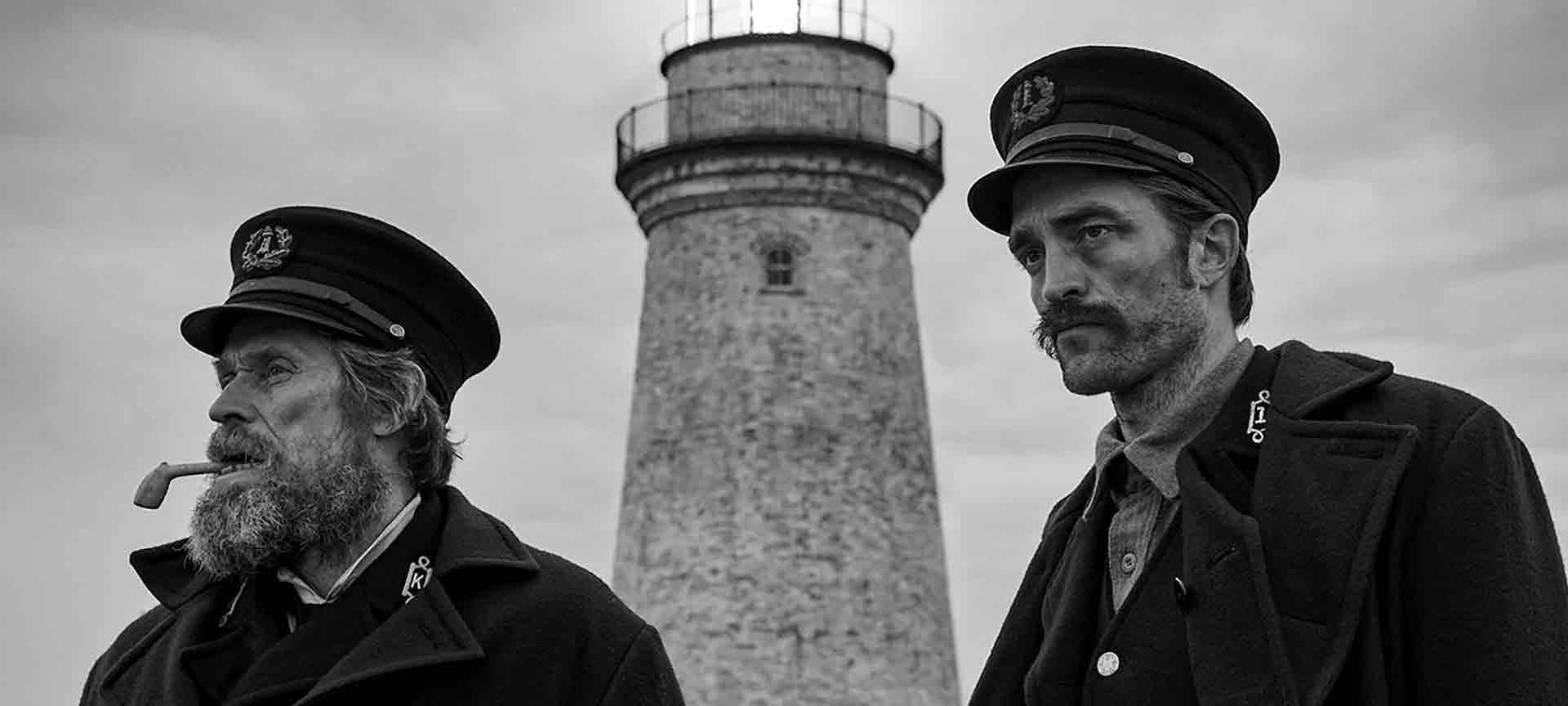
While there has been many real historical cases of lighthouse keepers going absolutely mad (go to any lighthouse museum and I’m sure your guide will mention ghosts of those who lost their sanity), The Lighthouse plays on this phenomenon in a much more surreal way, blurring the line between navy folklore and psychological breakdown.
Stranded in paranoia, distrust, and madness, the film doesn’t just trap Wake and Winslow… it traps us. With no clear line between truth and hallucination, we’re forced to spiral with them, caught in the same delusion.

Whether it be the forest or the beach, both cabin fever and coastal dread pose the same question: How long can we survive with only ourselves? One has you trapped in a wooden cage… the other drifting in beauty unknown. The horror of these settings aren’t tied to the environment, but rather what’s inside of ourselves waiting to be revealed.