

For All the Moms...
Remember, Mommy knows best

Motherhood is sweet, complex, and oftentimes terrifying. While you get to experience a new love with your child, you also get to experience the constant worrying of that child. Did they get home safe? Are they doing okay? Do they need a hug?
Motherhood is extreme, yet soft, yet also hard. Motherhood is everything all at once.
In horror, that concept is explored through the smothering of maternal figures as well as the intense love between mothers and their children. Because with motherhood comes a lot of things… including bloodshed.

Mommy is Always Watching
Mama
Even in death, motherhood never ends.
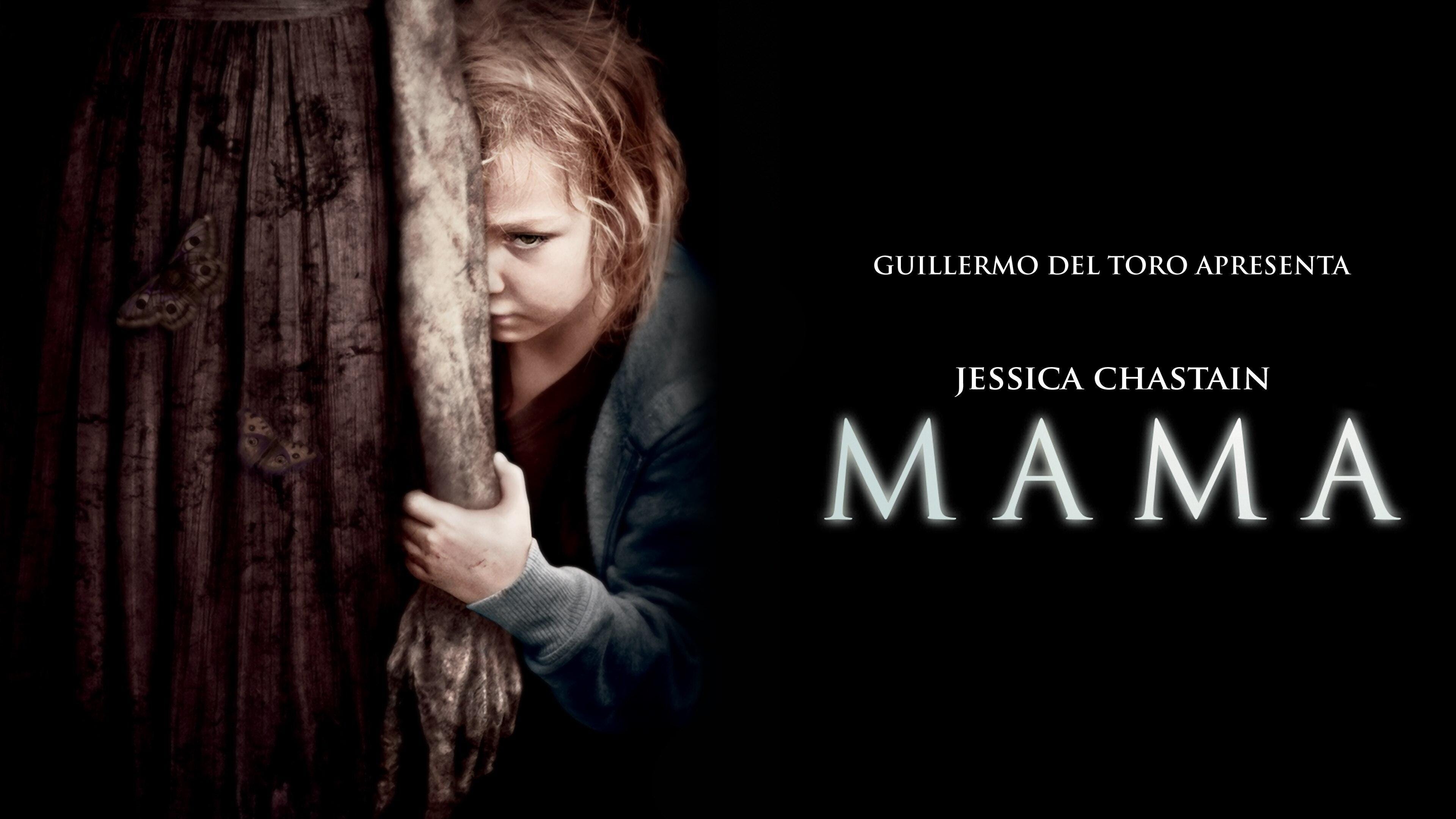
In Mama (2013), motherhood continues even in the trenches of death. Th main antagonist, a ghostly figure simply referred to as “Mama,” takes in two orphan girls after their father tries to commit suicide.
In a remote cabin in the woods, Mama acts as the girls’ mother figure, with nobody else there to take care of them. The girls grow into a feral state, until they are found later on by somebody who takes them to a nearby hospital to get evaluated. In the meantime, their uncle and his girlfriend are called in as the next of kin.
Their uncle, Luke, is quick in wanting to take care of the girls despite his girlfriend, Annie, being more hesitant. When they finally bring the girls home, they realize there’s more going on than just CPTSD… Mama followed them home.
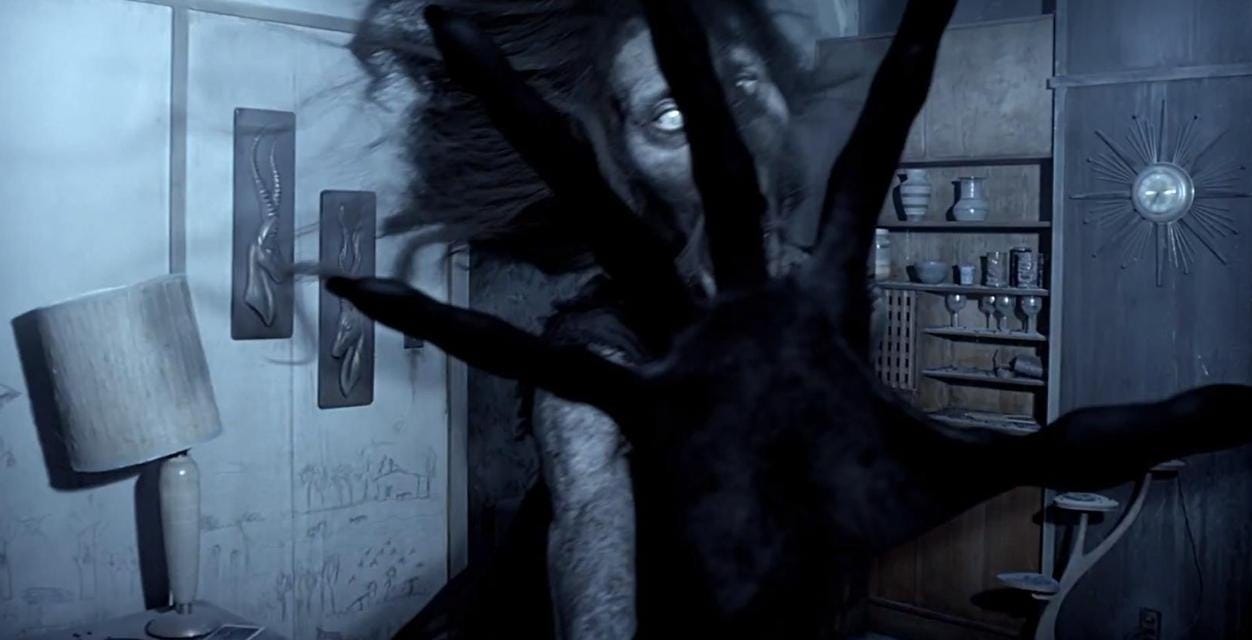
Mama is obsessive over the girls. She is representative of an overprotective parent, holding the girls close and refusing to let go of them. Her style of protectiveness crosses boundaries, harming the girls’ real family as she clings to what she believes is rightfully hers.
In contrast is Annie’s arc, where she’s forced into the mother role, especially after Luke lands in the hospital after Mama attacks him. Annie acts as the calmer and more grounded figure, representing the anxiety and uncertainty of motherhood while still balancing compassion and care.
But why are these two mothers so different?
Mama isn’t a terrifying mother figure just because she’s a ghost… she’s terrifying because she’s a mother from trauma and loss. Her need to protect the girls comes from the loss of her own baby. She sees the children as replacements, more like possessions rather than an extension of herself. They are her key to rewriting her history.
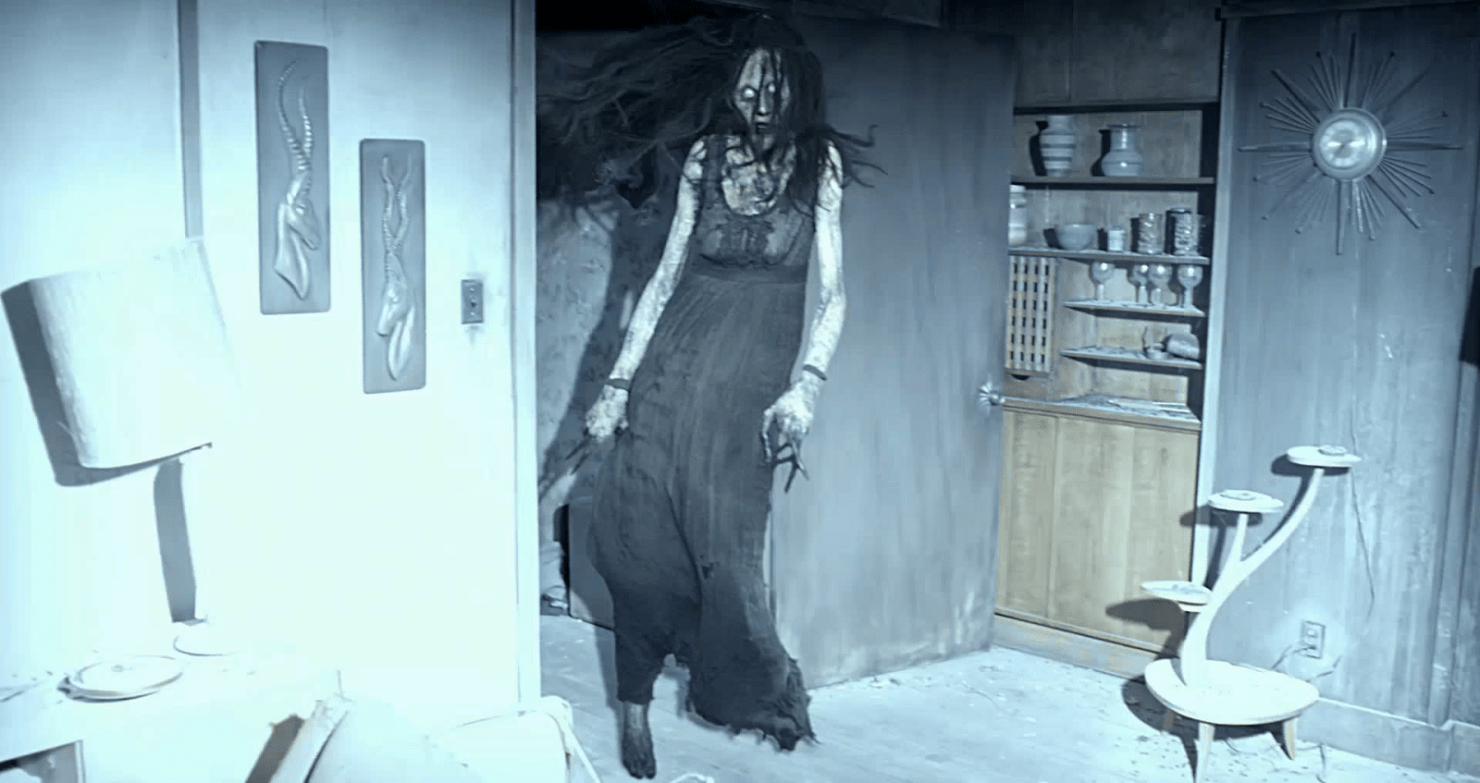
Mama is all about control. She is not willing to let go of the girls if it means she’ll have their love forever. She is willing to destroy everything (including their own lives) if it means she gets to keep them.
Annie, however, is the one who grows into the mothering role. She’s stable and loving, even if she’s unsure of how to navigate motherhood. Annie lets go of control, fully embracing her new life instead of drowning in fear.
In the end of the film, we see the sisters are split, as one disappears with Mama, and the other stays with Annie. One recognizes the difference between real love and obsession. The other is too young to tell the difference, vanishing in grief.
Mama doesn’t just make you see the struggles of motherhood; it makes you see the horror of it too.
Psycho
Despite Norma Bates never appearing on screen in the classic 1960 film, Psycho has become a staple for horror on motherhood.
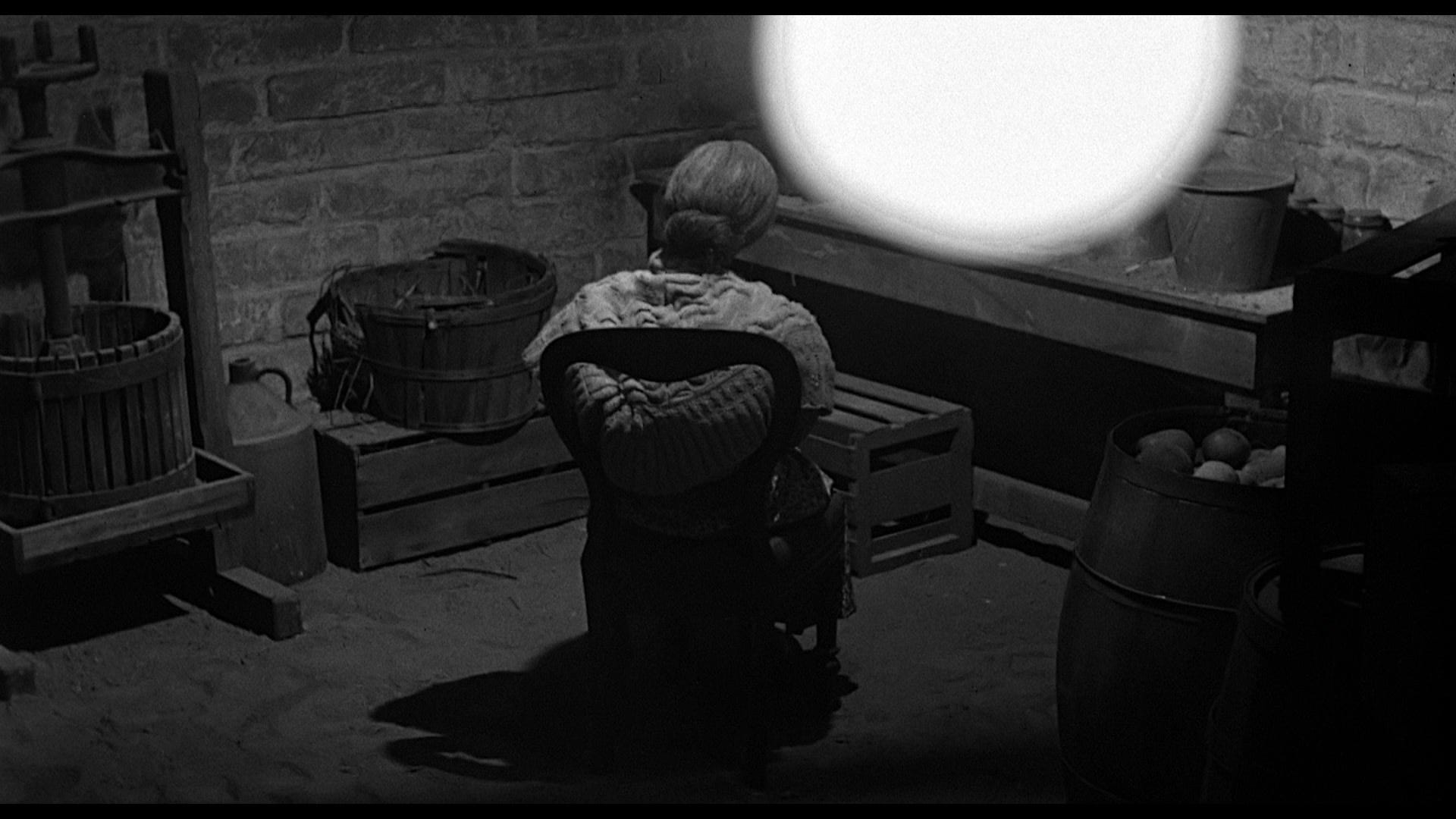
Instead of nurturing love, Psycho tackles the other end of the spectrum: the unfortunate reality that not every mother deserves a child.
Norma is heavily implied to have been an abusive mother to Norman during his childhood, resulting in her eventual demise… and Norman’s psychological collapse.
His Dissociative Identity Disorder stems from the trauma his mother nailed into him, with his new personality becoming that of Norma herself.
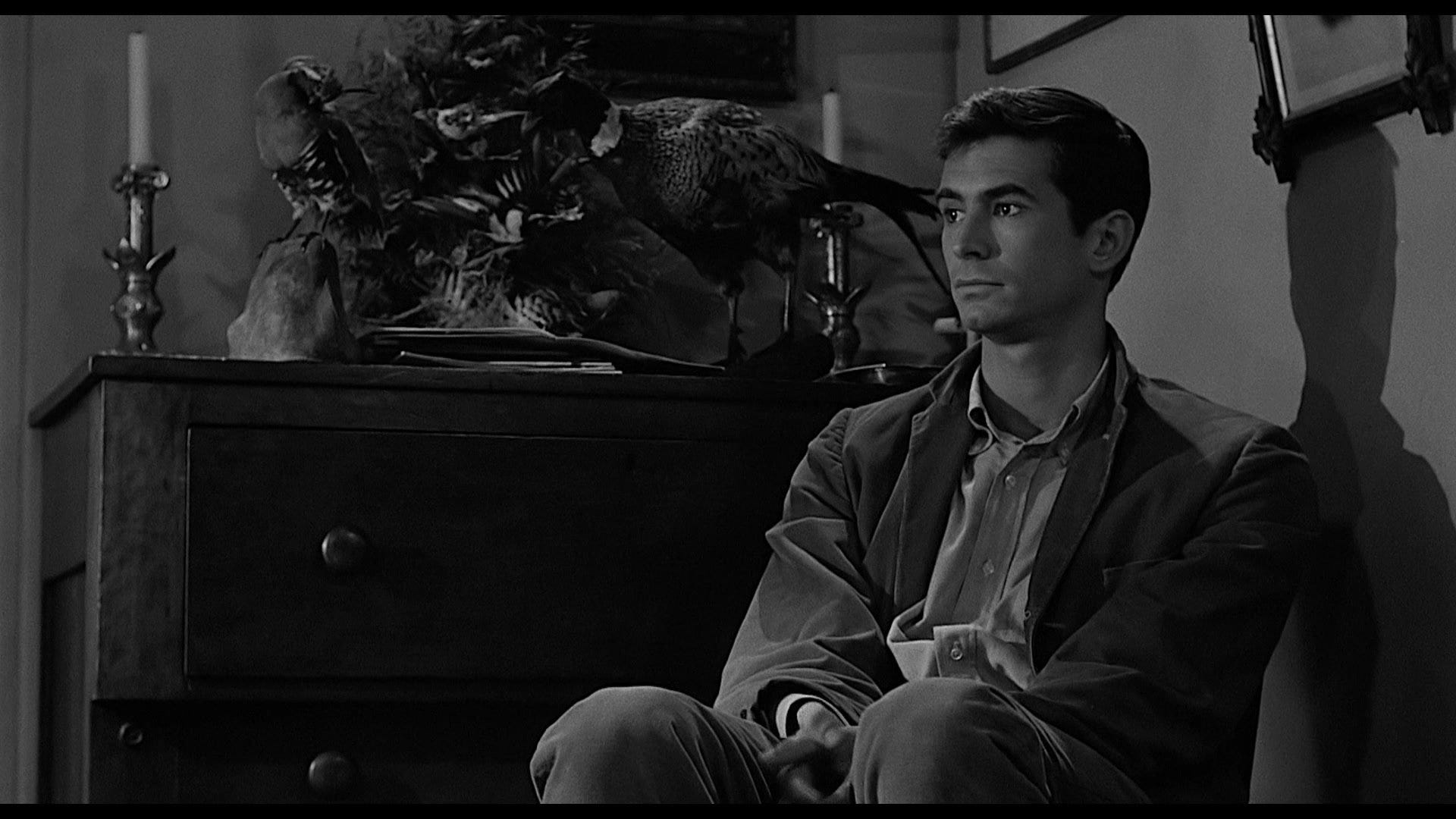
There’s a reason why “Mother” is the real killer of the film, and why Norman blacks out anytime a murder happens. Because, to Norman, he isn’t the one doing the killing. Norma is the evil one, not him.
She was the mother that took and never gave. She was his enemy but also the most important person in his life. “Mother” is his identity in parasite form, much like the real Norma was.
Even in death, she continues to control his every move. His mind, his life… even his legacy.
Psycho doesn’t just show a broken killer, it shows us a man who never got to be anything else because of his controlling mother.
To Be a Mother is to Protect
Friday the 13th
On the flip side of the “controlling” mother debate is Pamela Voorhees of Friday the 13th.
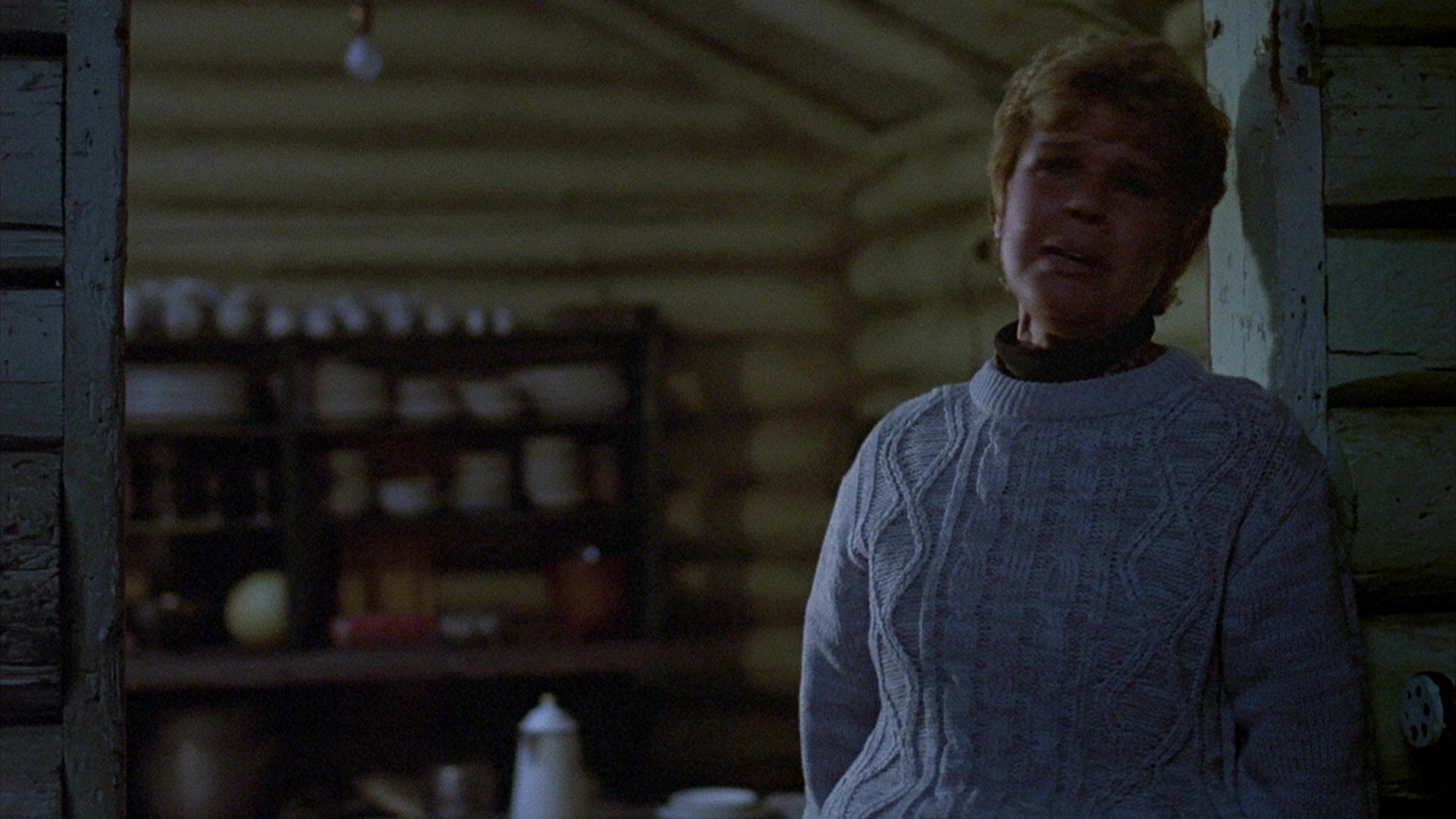
She is the mirror to Norma, acting as a guardian instead of an abuser. Pamela loves her son and will do anything to protect his wellbeing. But one summer… well, Jason drowned under the watch of the camp counselors. Thus, the legend of Jason Voorhees haunting Camp Crystal Lake was born.
But as we all know, the first installment of the Friday the 13th franchise didn’t include a killer Jason—it included a killer Pamela.
Hellbent on revenge and grief, Pamela kills off each camp counselor one-by-one, making them pay for the sins of their predecessors. To Pamela, any filthy teenager deserved to be offed because of what happened to her precious baby boy.
Pamela is very different from the other mothers in horror. It’s hard to call her evil, because she clearly was ill, but it’s also hard to call her good… because she clearly murdered teens.
However, she was brought into her bloodthirsty rampage because she was in shambles over her son’s death. She felt that if Jason’s life was unfairly taken away, then the camp counselor’s lives needed to be taken away too.
Friday the 13th ends with Pamela’s head being chopped off and her rampage coming to close… or does it?
Although Pamela is dead, Jason comes back from the grave to avenge her. By some supernatural force, Jason picks off new victims in each installment for his mother. He hears her voice in his head, telling him to kill the naughty teens for what they did to her.
Friday the 13th is a tragic tale of devotion between mother and son. They both loved each other immensely to the point of killing for one another in revenge, but Jason’s story seems almost more unsettling than Pamela’s grief-stricken parallel.
He hears her voice guiding him through the camp… he hears her tell him what to do… he keeps her head in his little shack. He even has a teddy bear from childhood. At the core of it all, Jason is still a child under the killing, simply listening to what his mother tells him to do.
He is just obeying his mommy.
You Mustn’t Disobey Mother
Mother’s Day
The grand finale when talking about motherhood in horror, right?
The original Mother’s Day (1980) and the remake (2010) are very different films. Although both include a sadistic mother with freak children, the plots don’t draw anymore comparison after that.
1980
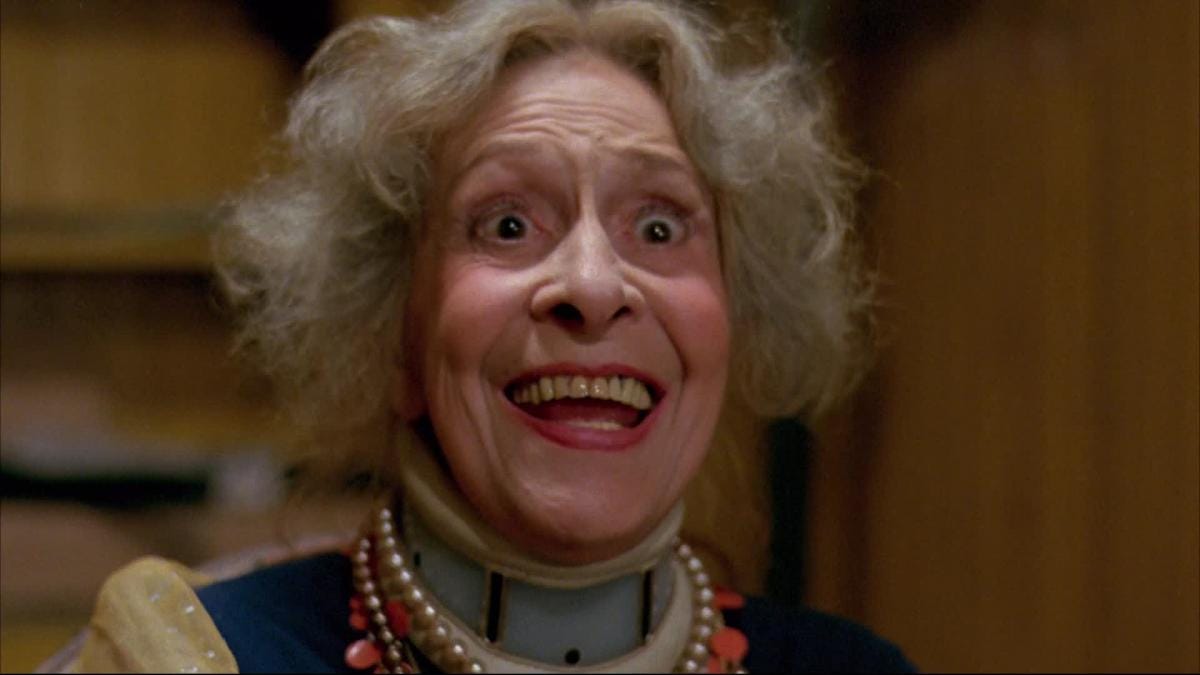
The original film focuses on the satirical overconsumption of media in the 70s, littered with pop culture references like Star Trek and Batman. Mother’s children, Ike and Addley, commit violent crimes to appease their mother, acting out the disgusting brutalization of their fellow human beings just like they see on TV.
Mother encourages their behavior, somewhat mirroring the parents who took practice in the latchkey kid phenomenon. Gen X children are seen as the “latchkey generation,” coming home to empty homes as their parents were away at work. Due to their parents’ work duties, children were left alone during this time frame, oftentimes relying on the television to entertain them.
Mother’s Day directly criticized what was seen as modern-day parenting, with children left to their own devices as their parents simply weren’t there.
And if you needed any more confirmation, Mother’s last moments of her life are spent watching TV.
2010
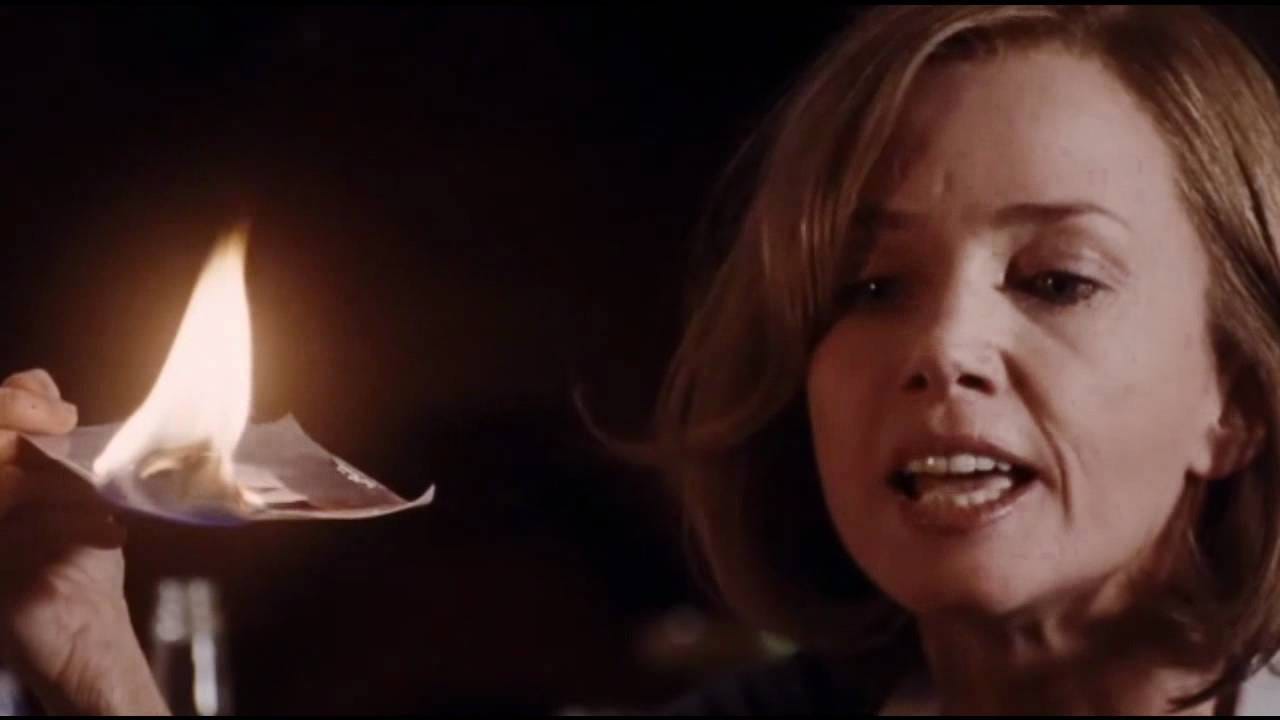
But how does this compare to the 2010 remake?
Well, Ike and Addley still exist. But now we also have their new siblings: Johnny and Lydia. Also, none of them are Mother’s biological children.
This movie focuses on a birthday party gone wrong, with Ike and Addley invading the scene after failing to properly rob a bank. The storyline is now completely different from the original, which focused on a kidnapping of three women instead.
Now, there is a group of partygoers who are taken as hostages by the “family,” with Mother manipulatively taking charge.
What matters, though, is that Mother is now a “baby snatcher,” kidnapping babies from families and raising them as her own. The big question is why. Well, we never really know… but one can assume it’s for Mother’s own criminal gain rather than because she wanted to deeply be a mother herself.
Conclusion
It’s beautiful and joyous to be a mother, but it’s also extremely difficult. Horror encapsulates the different aspects of motherhood people experience, rather it be fear or manipulation.
It teaches us that every child deserves a mother but not every mother deserves a child. That not every story about motherhood is full of sunshine and flowers.
But also… that our real mothers out there, the ones who are nurturing and loving, are some of the strongest people you will ever meet.