

Horror Will Always be Overlooked
Some people will never take the genre seriously — and that’s okay

This article was originally published in Horror Hounds.
I’m passionate about many things. Art. Writing. Horror.
I would say that horror is one of the biggest ones, considering how much of my life is centered around the genre. From my newsletter, my YouTube series, to my art and writing. My cosplays, fan conventions, and even the music I listen to.
These are all things that, in some way or another, circle back to horror.
I was introduced to the genre at a young age. I watched movies I definitely shouldn’t have been watching —movies that gave me nightmares yet drew me in all the same.
Despite my passion for horror, I know that there are still people out there that don’t take the genre seriously. They see horror movies as everything wrong with Hollywood. The cheesy effects, the weird plotlines, the overindulgence in twisted kills.
But there’s always been more to horror movies than that. People seem to forget what horror actually is: to invoke fear.
Classics in Horror
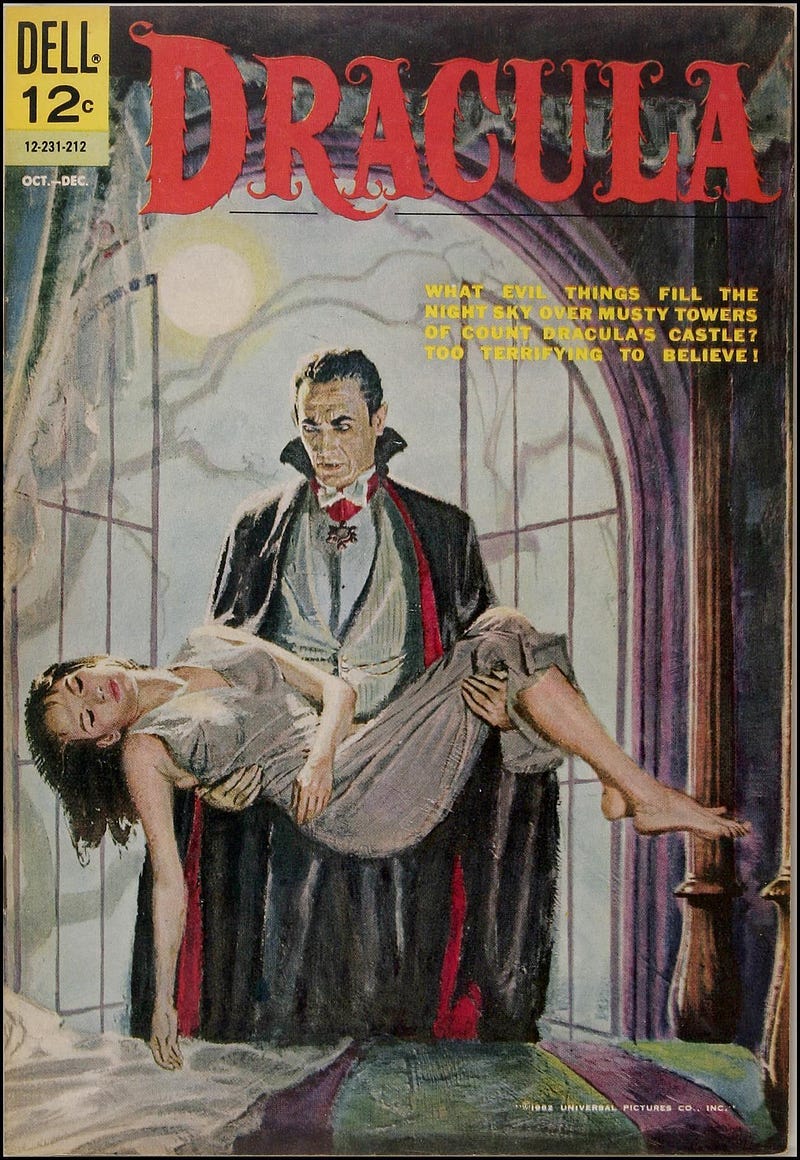
When I say “classic,” people will all have different ideas pop into their head. Someone will say films from the 30s, another will say films from the 80s. For me, it’s the Universal Monsters.
Frankenstein (1931), Dracula (1931), The Invisible Man (1933)… all films that were terrifying for the time. The concept of creatures and monsters in an era of American distress. The Great Depression managed to be the Golden Age of Hollywood, when some of the most iconic films were created to escape reality.
The Wizard of Oz (1939), Snow White and the Seven Dwarfs (1937), and King Kong (1933) were some that came from this era, along with our beloved monsters. But why create horror films when people were living through horrors everyday?
Because horror is just as much as a form of escapism as any other genre.
Instead of worrying about the realities of life, people could instead be scared senseless for a little bit of their time. Suddenly, all their worries were gone, and they instead were enjoying the adrenaline rush of surviving a horror movie.
Even today, these films are regarded as some of the best in horror by many. In fact, these are still massive cash cows for Universal, with merchandise and haunted houses selling crazy for the company.
The Slasher Age
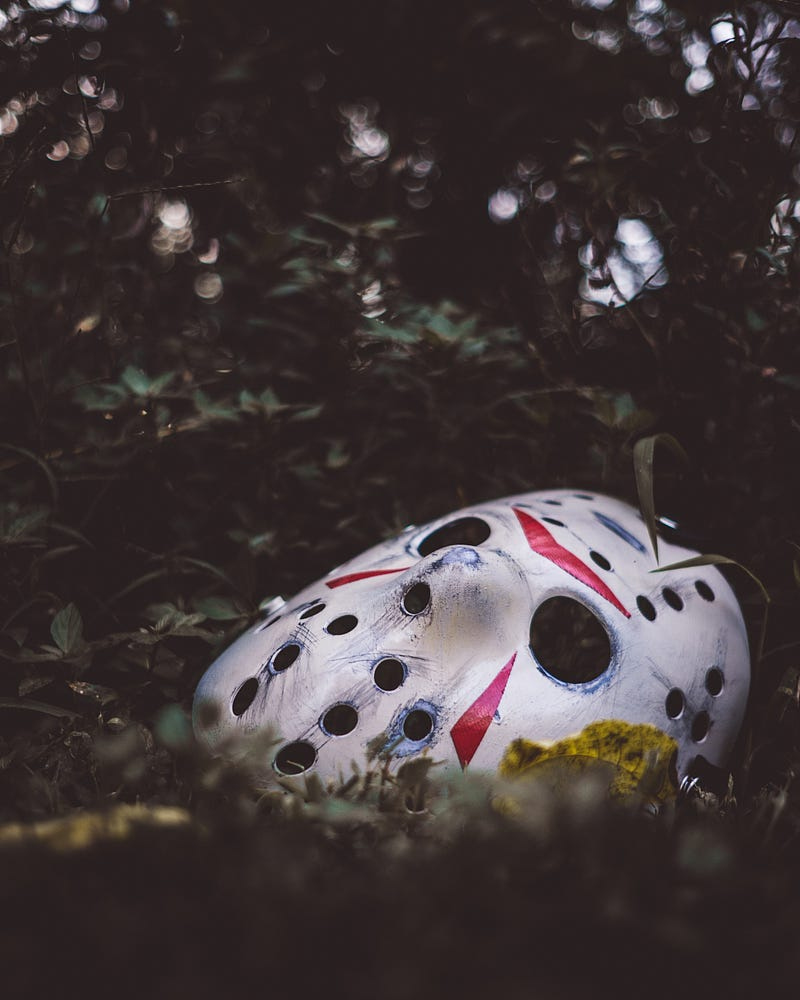
The 80s.
This is when horror was in full boom again, specifically in the “slasher” genre, where you were guaranteed to see some bloody kills.
In the 70s, we were given The Texas Chainsaw Massacre (1974) and Halloween (1978). Two of the most iconic horror films to date. This followed into the 80s, where we were met with the likes of Friday the 13th (1980), A Nightmare on Elm Street (1984), Hellraiser (1987), and Child’s Play (1988).
All good movies in their own right. All popular too.
These movies would get a reputation though, with slashers being known for guts and sex. And, while it was true that these films definitely had those things, it seemed as if many people didn’t take the movies seriously because of that.
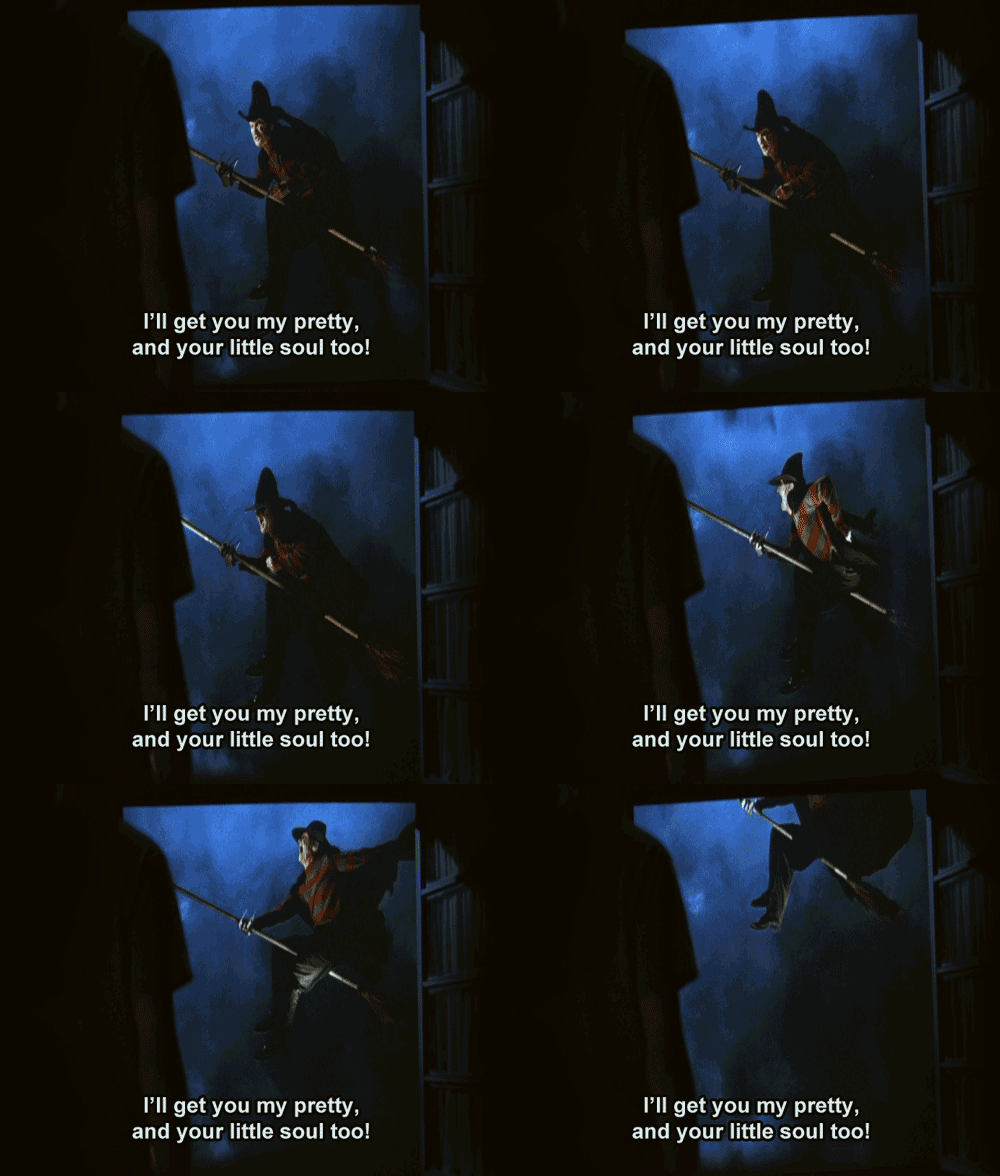
Sure, A Nightmare on Elm Street (1980) wasn’t meant to be completely serious with Freddy’s quirky quips. Child’s Play (1988) was about a talking doll, and Chucky was just as much of a talker. The issue, though, is that this reputation began to damage the genre as a whole.
Suddenly horror movies were cheesy, low-brow films. Even if these movies were genuinely scary to people, the damage had already been done.
And I’ll be the first to admit: not every horror movie is meant to serious. The Child’s Play franchise has always been in line with horror comedy, even though earlier installments did take themselves more seriously than their newer counterparts.
But… not every horror movie is meant to be a comedy. And not every horror movie should immediately be called “cheesy” or “bad” simply for being a horror movie. Hellraiser (1987) is certainly neither of those, and the special effects of the film makes it dreadfully beautiful to watch. Halloween (1978), though made on a small budget, effortlessly creeped audiences out with a faceless killer. And, even if Child’s Play (1988) is meant to have some fun, the puppeteering is wonderfully done.
When people begin to dismiss these films simply because of reputation, they miss the hard work that goes into them. Many horror films I’ve seen have special effects work and cinematography that deserve to be recognized.
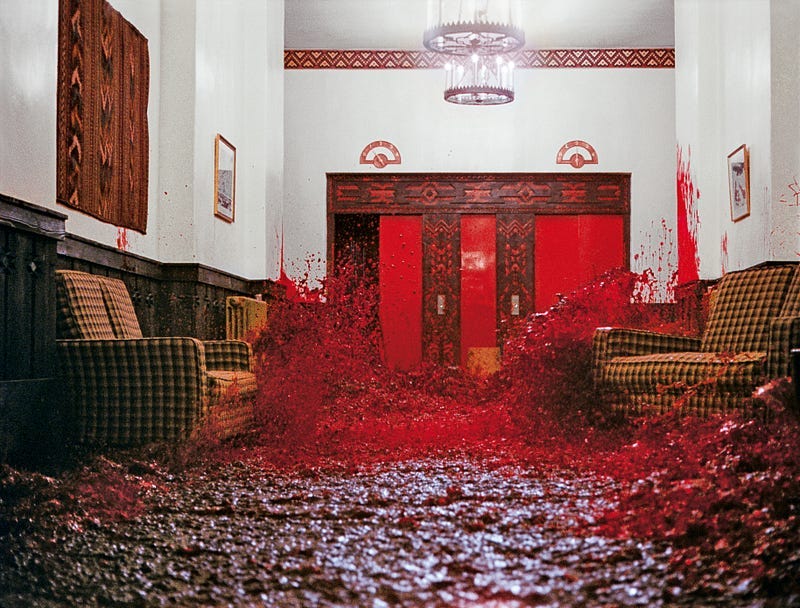
But even so, the iconic horror films of the 80s held captivating enough stories to get people in theaters and to want more. Halloween II (1981) continued a story. Friday the 13th Part 2 (1981) continued a story. Hell, even The Seed of Chucky (2004) continued a story.
The Ghastly Reputation
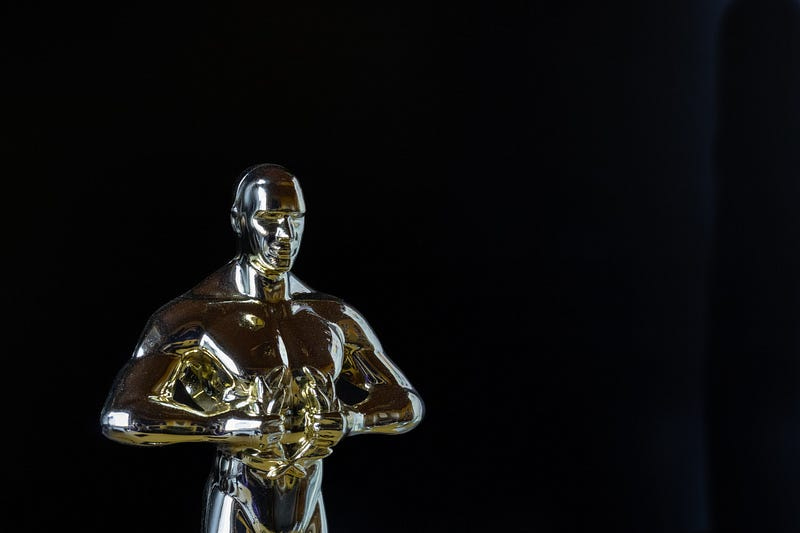
Outside of slashers, The Exorcist was one of the most popular horror films of all time, even landing two Oscars. A feat, mind you, that horror films typically don’t even get the chance to do. The other big win was Silence of the Lambs, which took home the Big Five. Only six other horror films have been nominated for Best Picture.
The Exorcist
Silence of the Lambs
Jaws
Sixth Sense
Black Swan
Get Out
It seems as if the “cheap” and “cheesy” reputation of gore and sex has made horror movies unwanted in the Academy Award space. While I understand that Michael Myers may seem out of place in receiving an Oscar, there’s plenty of other films that certainly wouldn’t. Although, I think an Oscar would look great in Michael’s hands.
Critically acclaimed films like The Thing (1982), The Shining (1980), and Psycho (1960) have never received Academy Awards. Psycho (1960) was nominated, yet not for Best Picture, despite the fact that many consider it to be Hitchcock’s best film.
As mentioned before, horror films have been nominated in other Oscar categories. There have been wins and nominations in categories like Best Makeup, Best Visual Effects, and Best Score. The Best Picture category seems to mostly be uncharted territory for horror films though, which is why Silence of the Lambs (1991) winning the Big Five is so significant in horror history.
The Academy Awards love to keep out horror in their precious Best Picture category, and it continues to do so. On the rare chance a horror film is nominated, it probably won’t win — unless it’s Silence of the Lambs (1991), anyway.
It doesn’t matter how popular and highly praised the movie may be. If it’s a horror movie, chances are, it’s unlikely to get nominated. Sure, in recent years things have become slightly more hopeful, with films like Black Swan (2010) and Get Out (2017) getting their chance to shine, but is it actually likely for any horror movie to get nominated again?
That I can’t answer. I doubt people expected any of the horror films listed here to get nominations or wins, yet they did. On the other hand, there’s plenty of films that you would think would have nominations or wins and never did.
Not every horror film deserves an Oscar, but not every drama deserves one either. Some of the most criticized movies have won Oscars.
If Pearl Harbor (2001) — a film with less than a 30% critic score on Rotten Tomatoes — can win an Oscar, why can’t a horror movie?
Now, does Rotten Tomatoes determine if a movie is good or not? Of course not. Neither does an Oscar, but it feels good to have one. Citizen Kane (1941) never won an Oscar (at least not for Best Picture), yet many believe it to be one of the best movies of all time.
But the difference is that many horror films never even get a nomination, thus thwarting their chance to even win. But, I don’t really have any hopes that the Academy Awards will recognize horror anytime soon.
But hey, maybe they’ll surprise us again.
Does It Really Matter?
Do the Oscars mean anything? Would it help the “reputation” of horror? Would it make people take the genre seriously?
Maybe. Maybe not.
Silence of the Lambs (1991) may have won Best Picture, but even after the film devoured the competition with its many wins, horror films still have a hard time getting into the show.
The truth of the matter is that some people will never take horror seriously, and that’s okay. It doesn’t have to always be taken seriously, just like it doesn’t always have to be seen as a joke.
In recent years, the genre has fixed its own reputation among many. Modern classics like The Conjuring (2013), Get Out (2017), and Hereditary (2018) have proven that horror movies can be scary and tell a great story at the same time.
Even so, there’s still horror films being made that are less than spectacular. With movies like Halloween Kills (2021), it’s no wonder why people are still unsure about what horror really has to offer.
Still, the genre has proven itself time and time again that it’s worth more than some people give it credit. Even the bad ones are enjoyable sometimes.
Or… maybe we should just bring back the Scream Awards.
I never liked the oscars, nor ever thought they held up a particularly high standard, but yeah horror rocks I'd argue they are the grimm's fairy stories of to-day.
Actually, "Citizen Kane" won an Oscar for its screenplay (by Herman J. Mankiewicz and Orson Welles).