

Mickey Mouse is Rotting Inside
Does magic still exist inside of a smiling corpse?

“To all that come to this happy place, welcome.”
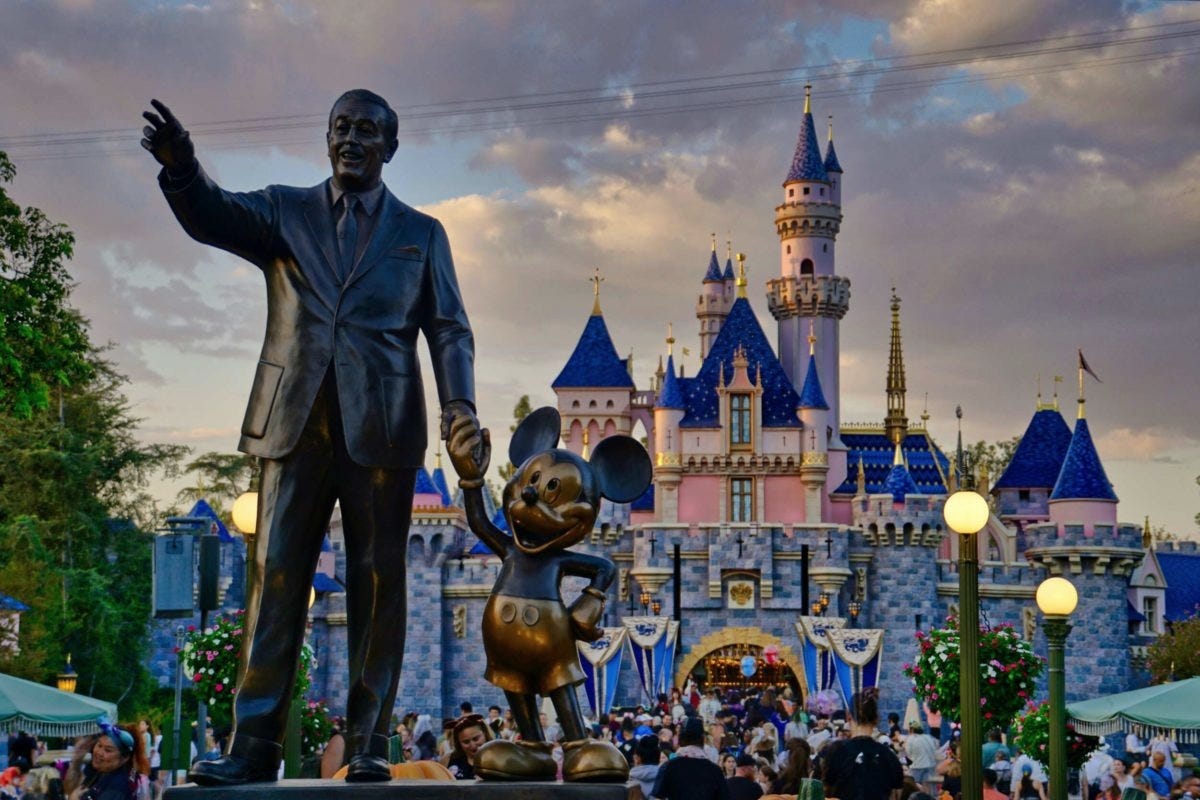
A sentiment that was expressed to a crowd meant to grow, reaching out to all who deserve at least one day of magic. Walt was a man with a dream; one he wished to expand past the glitz and glamour and into the hearts of millions.
Disneyland started as a place for children and adults alike to see their favorite films come to life. Walt Disney World followed, acting not only as a memoriam for Walt, but also as an extension of what it meant to create an escape for those needing a break from reality, if only for a few days.
In 1955, a park ticket for one adult was $1.00. Of course, that was only general admission, as each attraction would cost you a separate ticket, similar to fairs and carnivals. But even with the cost of each attraction, it was certainly affordable for the average joe.
Today, the average park ticket for Disneyland can range from $100-200. And that’s only the Disneyland park, that doesn’t include California Adventure.
Disney’s growth has far surpassed what it was meant for; it has become something that must constantly consume in order to survive.
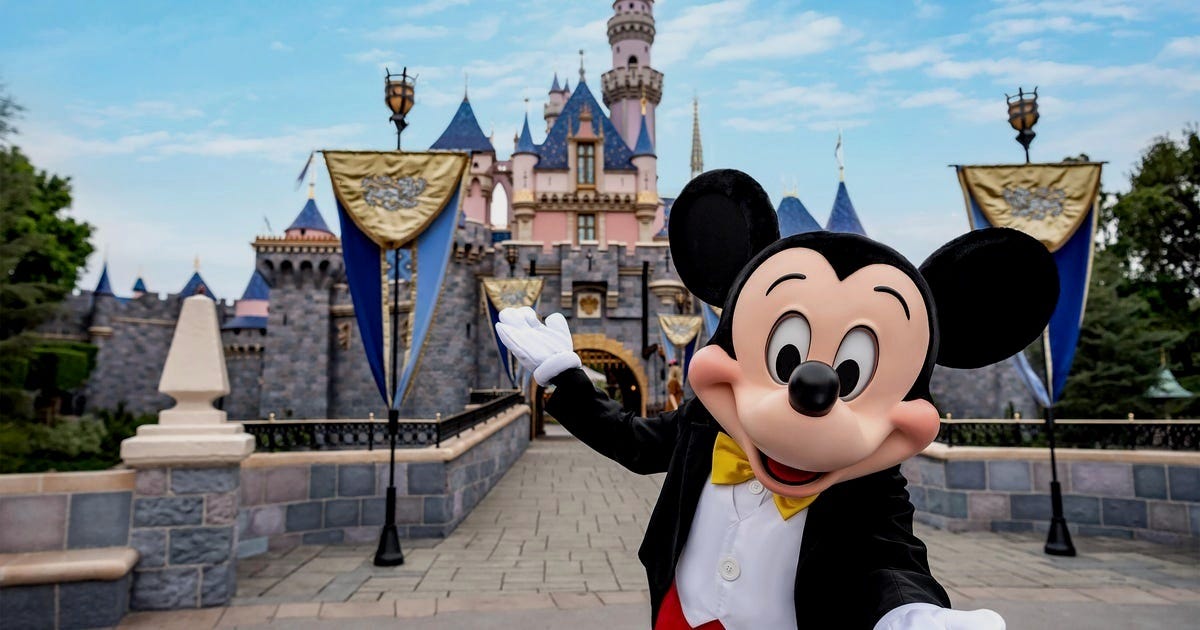
If you can’t afford to feed the mouse, you will still be made to pay.
The mouse has to be fed.

Part One: Hunger
ᵀʰᵉʳᵉ ⁱˢ ᵃⁿ ᵘⁿᶜᵒⁿᵗʳᵒˡˡᵃᵇˡᵉ ʰᵘⁿᵍᵉʳ ʷⁱᵗʰⁱⁿ ᵐᵉ. ᴹʸ ˢᵗᵒᵐᵃᶜʰ ᵃᶜⁱᵈ ᵉᵃᵗˢ ᵃᵗ ᵐʸ ᵒʳᵍᵃⁿˢ, ᵇᵉᵍᵍⁱⁿᵍ ᶠᵒʳ ᶠᵒᵒᵈ.
At the rate in which Disney has been developing, projects are quickly tossed aside to make room for the next best thing.
Throughout the years, many notable abandoned projects have come out from the parks, including the unfortunate loss of Beastly Kingdom.
But it isn’t just projects that have been left to rot. Entire attractions, lands, and animatronics have been documented as abandoned, slowly succumbing to nature’s cruelty. Many of these were forgotten about, left to the elements due to budget constraints or refurbishments never finished.
Disney has become known for this, spawning media like Abandoned by Disney and Five Nights at Treasure Island.
Abandoned by Disney, for example, dives into a fictional park called Mowgli’s Palace. A fully constructed resort in North Carolina, it was ultimately closed for unknown reasons.
Abandoned by Disney follows the POV of an urban explorer who encounters horror within the property, including a skull wedged into a Donald Duck mascot head and an inverted Mickey Mouse mascot entity.
It isn’t a good story—most creepypastas aren’t—but it leaves a lasting impression on the viewer in questioning what exactly Disney has left behind in favor of better profits.
ʰᵉʸ
That brings us to Discovery Island, and thus Five Nights at Treasure Island.
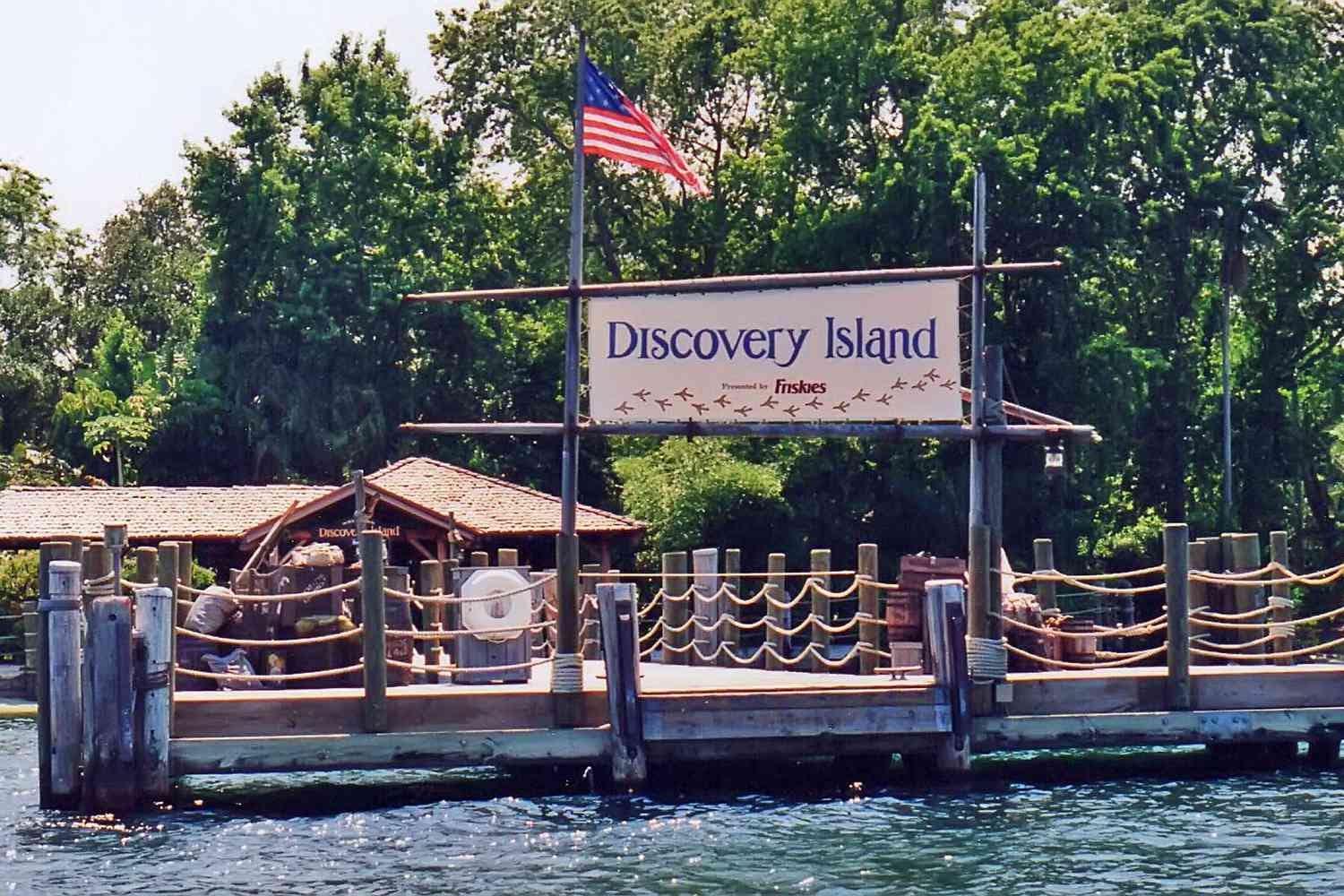
Discovery Island was a zoological attraction located at Walt Disney World, offering guests a chance to observe animals. It originally opened under the name Treasure Island after the classic Disney film.
Although people seemed to enjoy the island, it was eventually closed down to the public for unknown reasons. However, Disney faced 16 counts of animal cruelty, and while many speculate that to be the reason of its closure, it’s much more likely that was simply a catalyst. The low attendance and high maintenance cost was certainly the biggest reasons behind Discovery Island’s demise.
In addition, the newly opened Animal Kingdom took over the role as the “animal attraction.”
Five Nights at Treasure Island, although a Five Nights at Freddy’s clone, uses the basis of Abandoned by Disney and expands upon it with the reality of Discovery Island.
The player is forced to face multiple supernatural entities; all themed to a different Disney character. There’s nothing necessarily groundbreaking about the game, to be honest, but its designs capture the general feeling of what’s going on beneath the castle.
Each monster design has its own unique look of rot. Their animatronic skin melts, revealing strangely human-looking muscle underneath. Their eyes are sunken in. Their teeth are almost like dentures. The designs of FNATI are undeniably a different uncanny from the traditional ones we expect from a FNAF-style game.
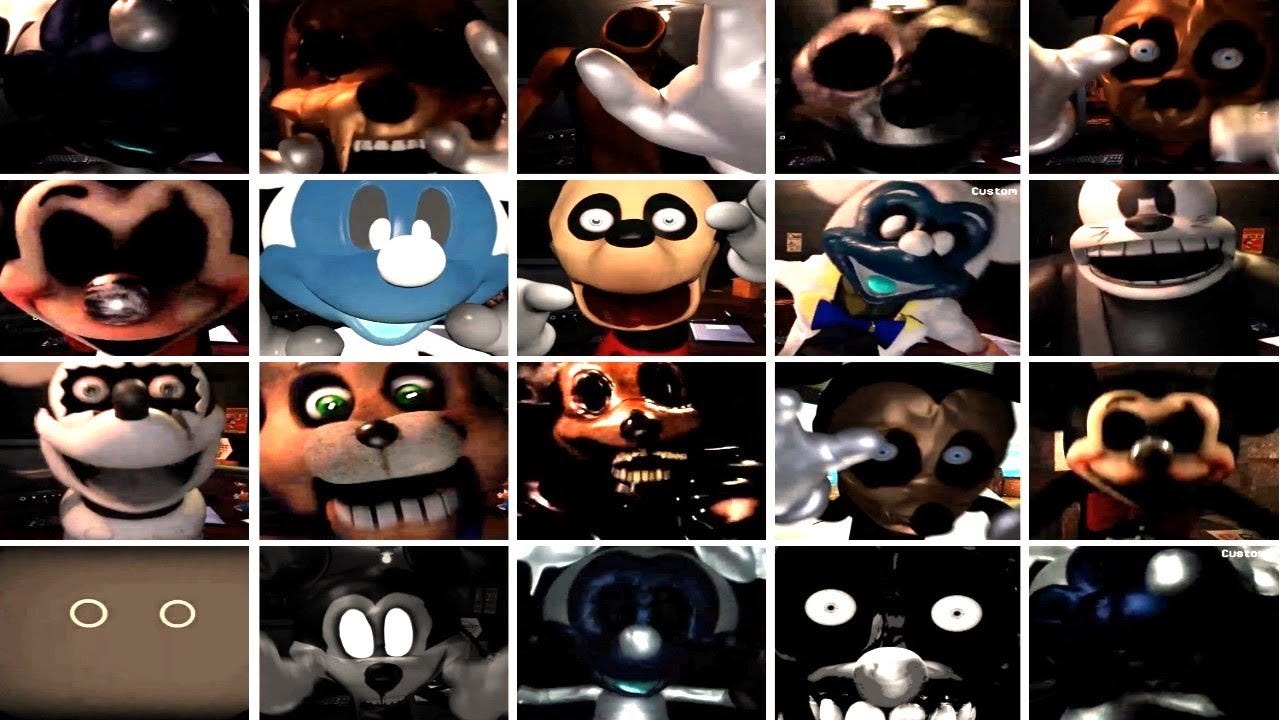
Of course, these are also mascots of a beloved company, characters who are meant to be wholesome and silly. Seeing such innocent characters in an unnatural state is bound to make anybody uncomfortable—FNATI didn’t just slap some scary bloody eyes on them and call it a day, but rather explored the very real horror of Disney’s actual pattern of abandonment.
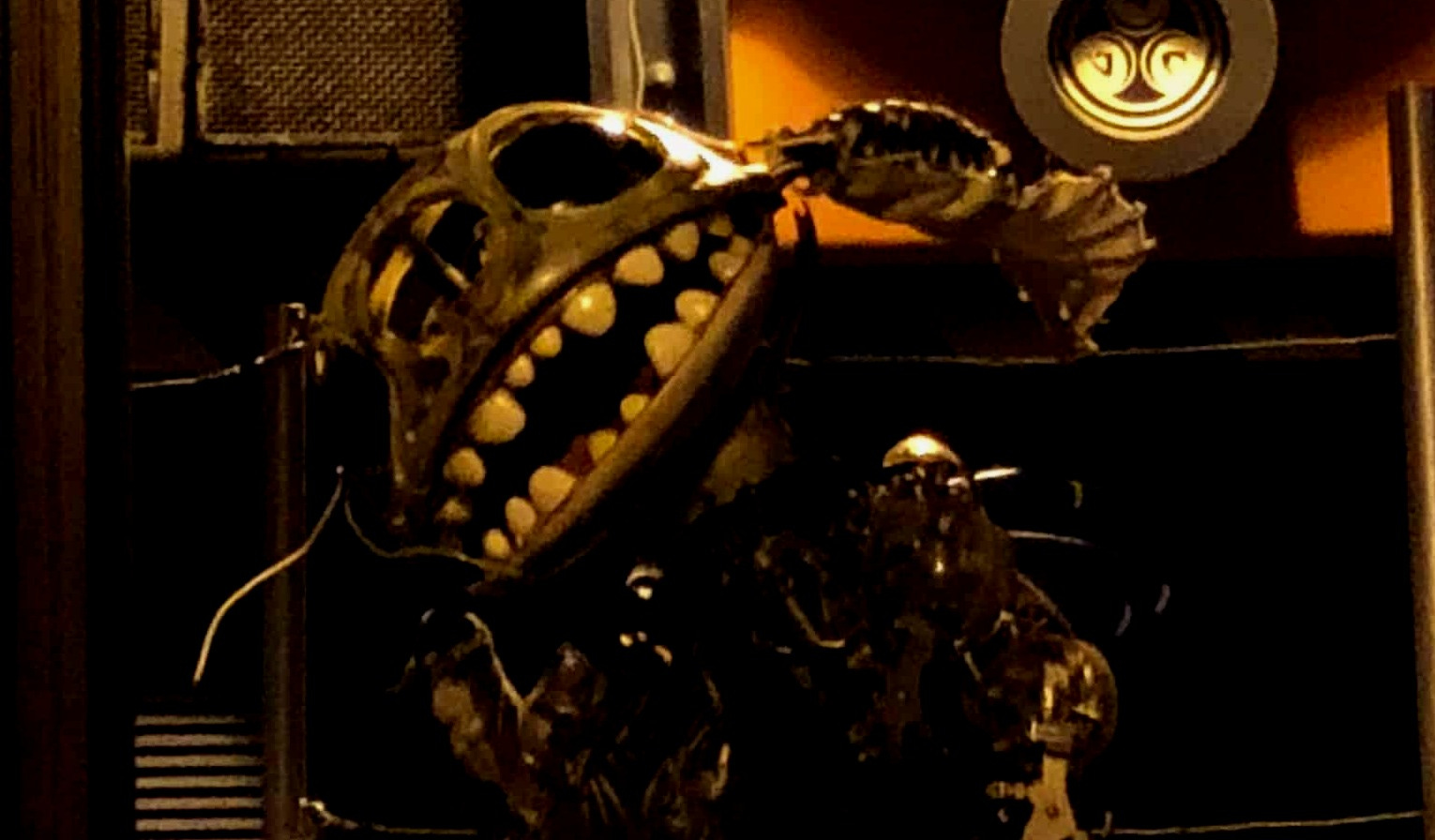
They resemble the real-world animatronics we’ve seen before, lurking in Disney’s shadows and left to be forgotten about by the public.
Part Two: Drool
Disney has always cared about reputation, but even more so in recent years regarding its “magical” place in pop culture.
Disney’s obsession with image has only tarnished the brand, with each installment creating a domino fall. Theme parks grow light, movies begin to fail, and customers fade away. Although there are certain audiences who will never escape Disney’s tight grasp, the majority of consumers have already fallen out of love with the company.
Yet, Disney keeps a happy face, as their profits continue to increase despite the lack of interest from the general public. They are widely recognized as a monopoly, which has only deepened the already deep abyss of distrust.
ᵒʰ ᵇᵒʸ
Enter the iconic Suicide Mouse, another Disney creepypasta that grew in popularity for its edgy nature. It’s extremely simplistic: an animation of sad Mickey Mouse walking in silence. As the video draws to an end, the world becomes distorted, and the volume cries out to the viewer. Buildings crumble, and Mickey’s face morphs into cartoonish agony.
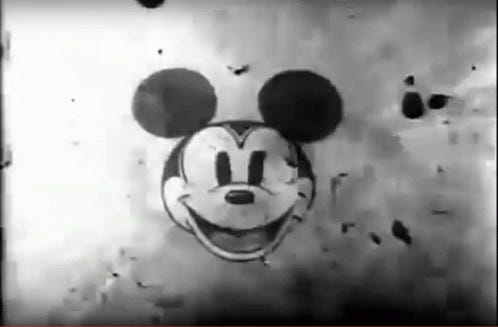
Finally, the animation ends with a smiling Mickey.
This is a very typical format for a creepypasta, yet this one feels more earnest than Sonic.exe. It instead infests your senses, mirroring the implications that Disney Co faces.
ᵀʰᵉ ʰᵘⁿᵍᵉʳ ⁿᵉᵛᵉʳ ᶜᵉᵃˢᵉˢ.
Behind the joyful act, there’s a broken company. The dream has outlived the dreamer, and the dream has only become a nightmare.
Part Three: Devour
After years of lobbying, Disney finally had to release Mickey Mouse from their archives.
It took 95 years, but Steamboat Willie escaped into the public domain in 2024, thus resulting in a myriad of interpretations. Many of these came from artists simply celebrating the release of such an iconic mouse, but others were quick to create versions that held a mirror up to the very company who held him captive.
ᵗʰᵉ ʸᵉᵃʳ ᴵ ʷᵃˢ ᶠʳᵉᵉᵈ, ʷᵃˢ ᵗʰᵉ ʸᵉᵃʳ ᵐʸ ʰᵘⁿᵍᵉʳ ᵍʳᵉʷ ᵗᵒ ᵇᵉ ᵘⁿˢᵃᵗⁱᵃᵇˡᵉ
We got media like Screamboat Willie, Mickey’s Mouse Trap, Willie, etc. These horror versions came quickly after the public domain release, with people itching to turn the mouse into something less joyful.
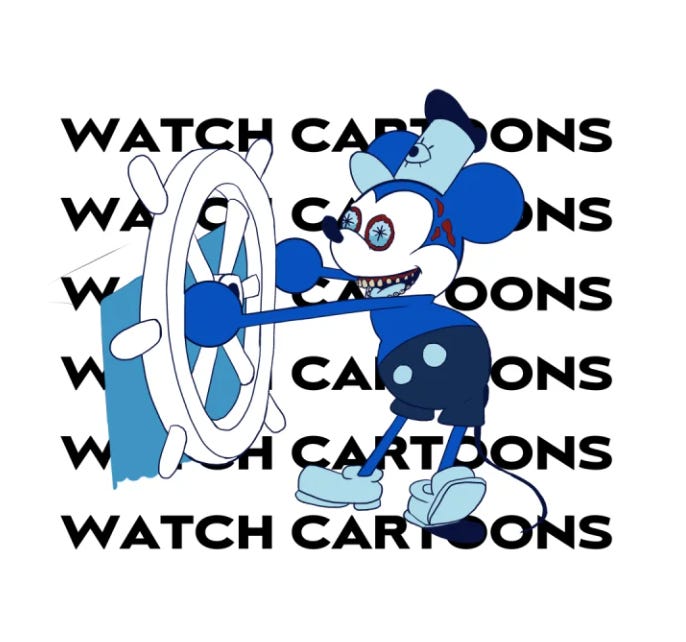
A lot of that had to do with the easy cash grabs, similar to what happened to Winnie the Pooh, but if we tried to look at it in a more analytical point of view, we could connect it to the public finally revealing how they feel about Disney.
These horror renditions are a product of Disney’s own public image. This is a corporation that hides behind the smile of a friendly mouse yet refuses to let go of any property or assets. Disney, after all, is a business. They need consumers, not customers.
These silly and oftentimes awful horror concepts aren’t just people raking in, but rather Disney’s illusion crumbling before us.
Part Four: Digestion
There have been real, genuine reports of Disney Parks being haunted. Both Disneyland and Walt Disney World have had cast members tell stories of unexplainable instances, but the most interesting cases have been those from Walt’s apartment and The Golden Horseshoe.
Obviously, there’s the old tale of the lamp turning on by itself in Walt’s Disneyland apartment, which is now lit 24/7 in his honor. This is a legend within Disneyland, hinting that Walt may still be there in spirit.
The Golden Horseshoe is a little different. Both Walt and Roy Disney had their own private viewing booths for the revue. One of my favorite stories comes from Alex the Historian, who explains how he saw a chair leaned up against the railing of Walt’s booth. He fixes it, walks away, and hears a shuffling. He goes back, only to see the chair looking out to the restaurant again.
Other cast members reported smelling cigar smoke there early in the morning, a story that closely correlates with Walt’s waking life, in which he would have his breakfast, walk to the Golden Horseshoe, and have a smoke.
It’s not crazy to imagine Walt keeping a close eye on his parks, but especially Disneyland, as that was one of his biggest dreams to come to life.
If Walt is there, is he there to protect his dream from what the current company is doing to it?
And I suppose that brings me to my last question: how do we remember Walt’s legacy without supporting the corporate greed of current day Disney? How can we help in keeping his memory alive?
Because when a company can’t even respect its own founder’s wishes, how can it expect for its founder to respect it in return?
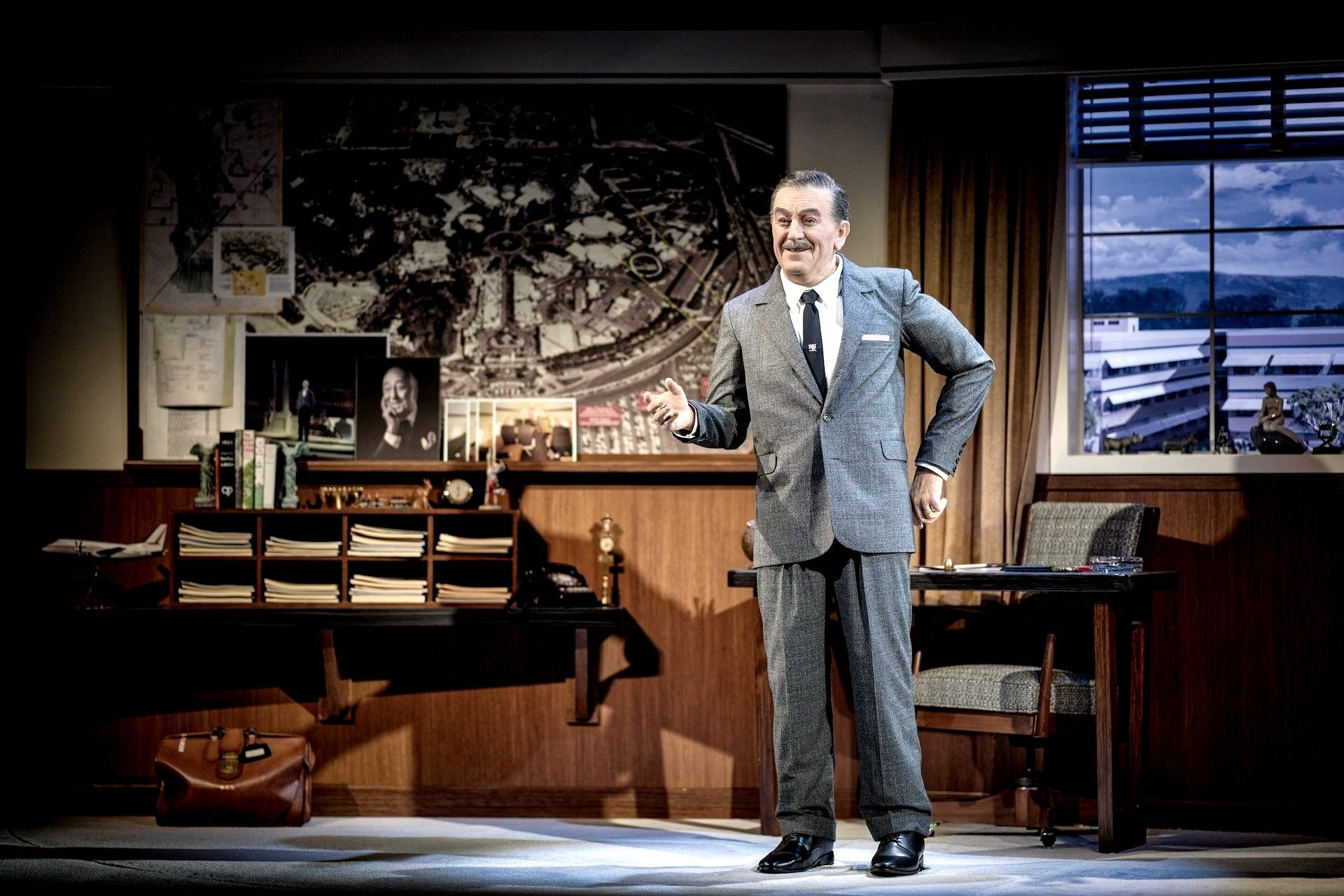
In 2025, Disneyland revealed its Walt Disney animatronic show.
Joanna Miller, Walt’s granddaughter, is highly against the idea. She explained how her grandfather wished to not be made into an animatronic anyhow, and how it feels dehumanizing to turn the dreamer of Disneyland into an attraction for guests to gawk at.
Because Disney is no longer about Walt’s dreams and wishes. Disney isn’t even about a mouse anymore.
Disney is about increasing profits.
Conclusion
Disney isn’t going to make a change anytime soon. Not unless its forced to.
Once upon a time, it was a company that stood for magic, imagination, and storytelling; it is now the face of greed.
ⁱ ᵃᵐ ˢᵒ ᶠᵘˡˡ ʸᵉᵗ ˢᵒ ʰᵘⁿᵍʳʸ, ˢᵒ ᵇˡᵉˢˢᵉᵈ ʸᵉᵗ ˢᵒ ⁿᵉᵉᵈʸ
It seems that, for some people, once you get the taste of money, it never quite satisfies you.