

Possessed by Design
Addiction, horror, and the systems behind them

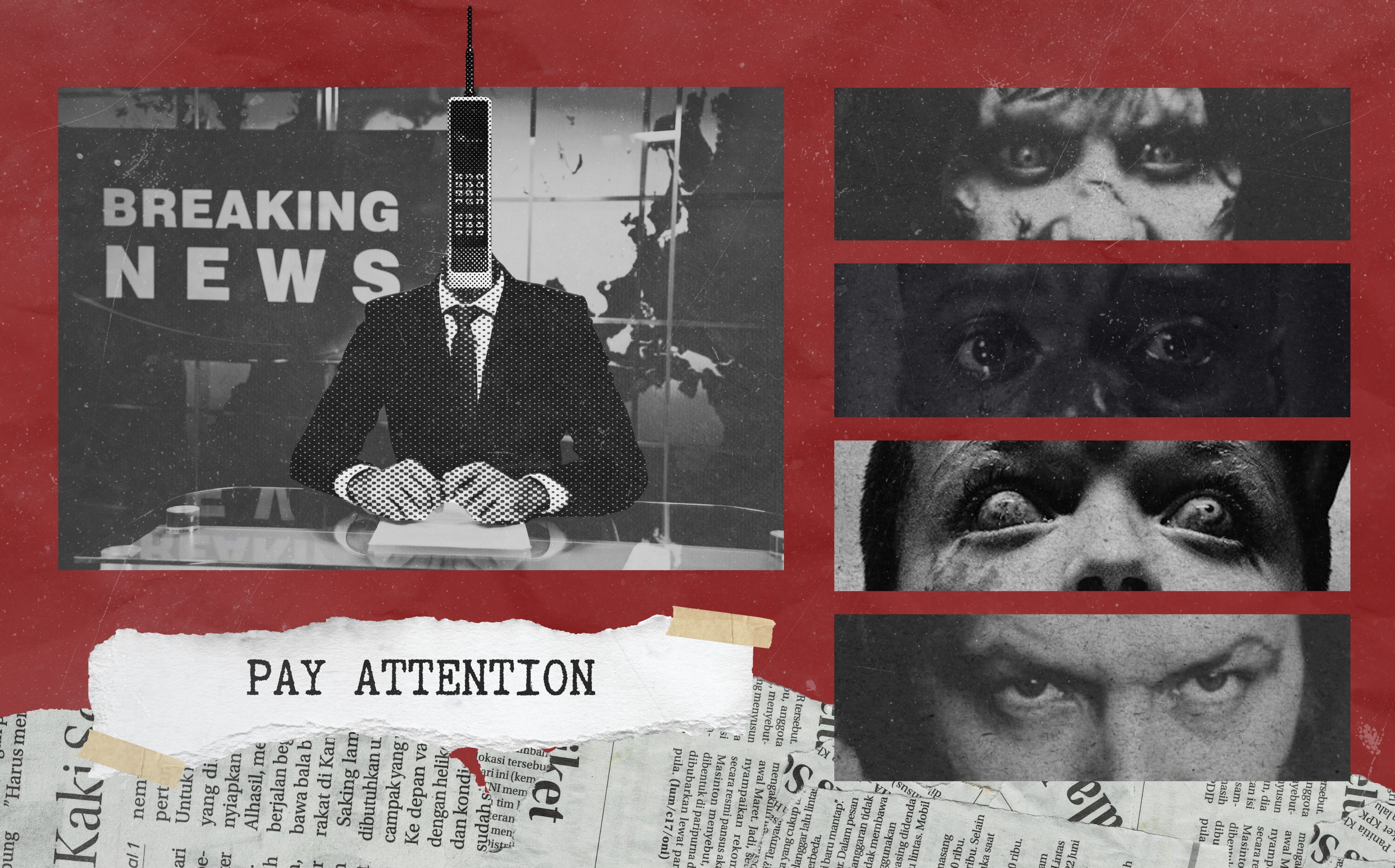
> INITIALIZING ARCHIVE NODE 03
> ACCESSING DATABASE...
> FILE LOCATED
> DECRYPTION COMPLETE
----------------------------------------
ARCHIVE FILE: 1973
CLEARANCE LEVEL: INTERNAL
----------------------------------------
NAME: █████████████
AGE: 21
SYMPTOMS:
- BEHAVIORAL INCONSISTENCIES
- MOOD INSTABILITY
- MEMORY LOSS
SUBSTANCE USE: [X] YES [ ] NO
PROGNOSIS: DEPENDENT ON COMPLIANCE
----------------------------------------
STATUS: ARCHIVED
DISCHARGE DATE: █████████
CASE STATUS: UNRESOLVED
DIAGNOSIS: CONFIRMED
----------------------------------------
> END OF FILE
> RETURNING TO MAIN DIRECTORY...
The archive closes cases. It does not close wounds.
Where are your wounds hiding? Are they within you, internally plaguing your psyche? Are they out of your reach, externally taunting you with each passing moment?
Do you feel like you have autonomy?
Perhaps we should look into professional help. You haven’t been yourself lately. You’re starting to scare people.
First, we have to identify the problem. We must understand what is inside of you.
Second, we have to restrain you.
Third, we will call a priest.

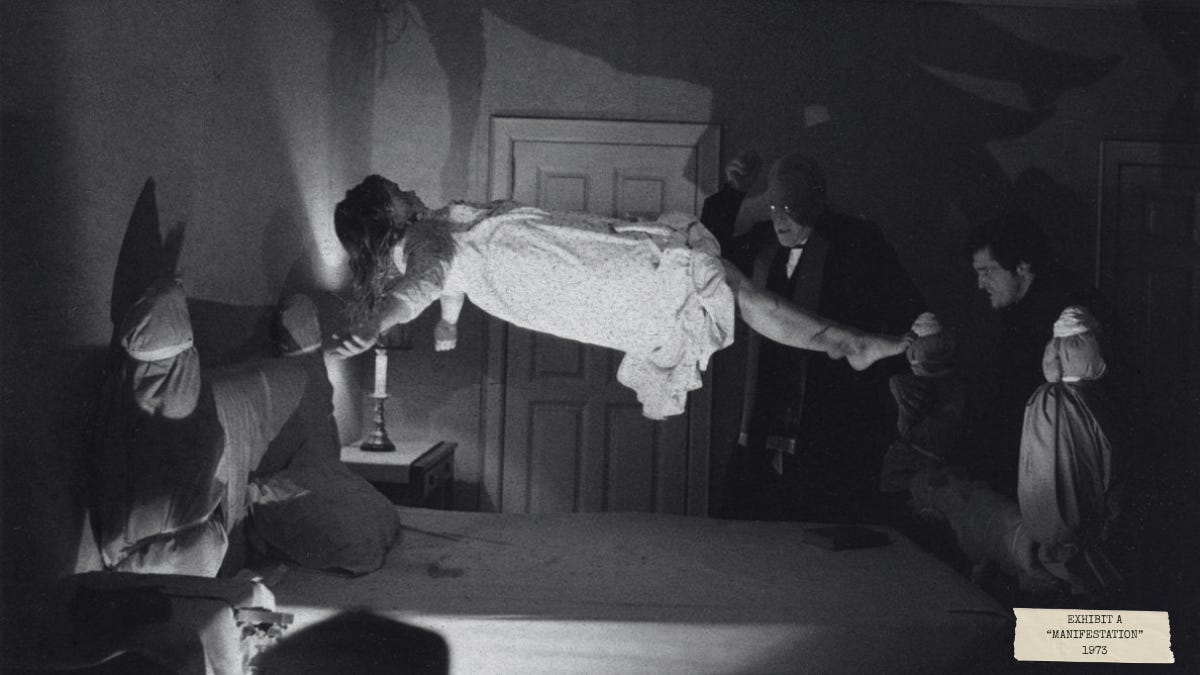
Part One: Manifestation
Aggression. Vomiting. Paranoia.
These are all common symptoms of one losing themselves. It starts out innocently enough but eventually spirals into something difficult to contain.
When Regan MacNeil first started displaying symptoms of the loss of her agency, it began with rather simple issues: sickly, uncontrollable bladder, violent body chills.
It seemed like she was suffering from an illness, yet medical tests proved that theory wrong.
Regan was only 12 years old when she first experienced this all. Her parents were in the middle of a divorce, and her mother held a tight work schedule. To most people, it would be obvious that Regan’s environment was less than ideal.
She was a vulnerable target. There was hopelessness within her.
And that isn’t uncommon; over 51% of Americans 12 and older have resorted to using illegal drugs at least once in their lifetime.
Hopelessness is just the beginning. It leads to depression, anxiety, and overall, a loss of sense of self. It’s especially common in young adults from 18-25, as these individuals are faced with a world full of uncertainties.
First is the sickness that takes control of you. The heaviness. The uncontrollable sobbing. The unknown of the future.
Second is the need for a cure.
Finding the solution isn’t the problem. Coughing up the debt is.
Many individuals seek alternative medicine. Regan was one of those, as her mother found solace in a priest, despite her atheist views. As one can imagine, a mother watching her daughter suffer can lead to any outcome necessary when seeking peace.
Others aren’t as lucky, instead reaching for the closest comfort they can find. Sometimes that’s in a bottle, a needle, or a pipe. Sometimes that’s in the depths of an entity.
Yet any of these alternative solutions earn those who suffer the same effects: an otherworldly, almost euphoric feeling of flight. Their problems, their trauma, and sense of hopelessness is gone. No longer do they need to be pushed into a corner, but rather they can float above everything.
But with extreme euphoria comes issues too, because nothing is without its flaws.
In times of uncertainty, like the lockdowns of 2020, overdoses increased by an annual rate of 31%. Many of these deaths relate to opioids and stimulants, as these help in disrupting the negativity in everyday life.
Despite the risks, giving up these alternative coping mechanisms are extremely difficult. These types of substances play with the human brain, eating at the reward system particularly. When an individual takes any of these substances, dopamine is released by 2x-10x more than any natural reward causes. Thus, withdrawals and relapses are always plausible.
Yet, just as Regan experienced, symptoms of behavioral disturbances can occur. Sudden aggression, extreme feelings of sorrow, and other mood instabilities can plague the individual. Oftentimes, those around them describe them as “not themselves.”
They’re “scaring” people. They’re acting weird. They’re not who they used to be.
In Regan’s case, her behavior was affected so terribly that she was declared as “possessed.” She was restrained, and a priest was called to cast out whatever was inside of her.
Part Two: Oppression
In 1979, Jack Torrance took up a job offer to be the winter caretaker of the Overlook Hotel.
The Torrance family spent a total of 44 days (or 45 days, this remains unclear) at the hotel. When police arrived at the scene, they found two dead bodies on the premises. The victims were identified as Jack Torrance and Dick Hallorann.
Police later questioned Wendy Torrance and Danny Torrance—Jack’s wife and son—about the incident. They had escaped the hotel after Jack had “gone crazy.”
Police wrote it up as an extreme incident of cabin fever.
Because of the Overlook Hotel’s history, some have argued that this case may have had paranormal interference. Others chalk it up to Jack simply being an alcoholic with a myriad of anger issues.
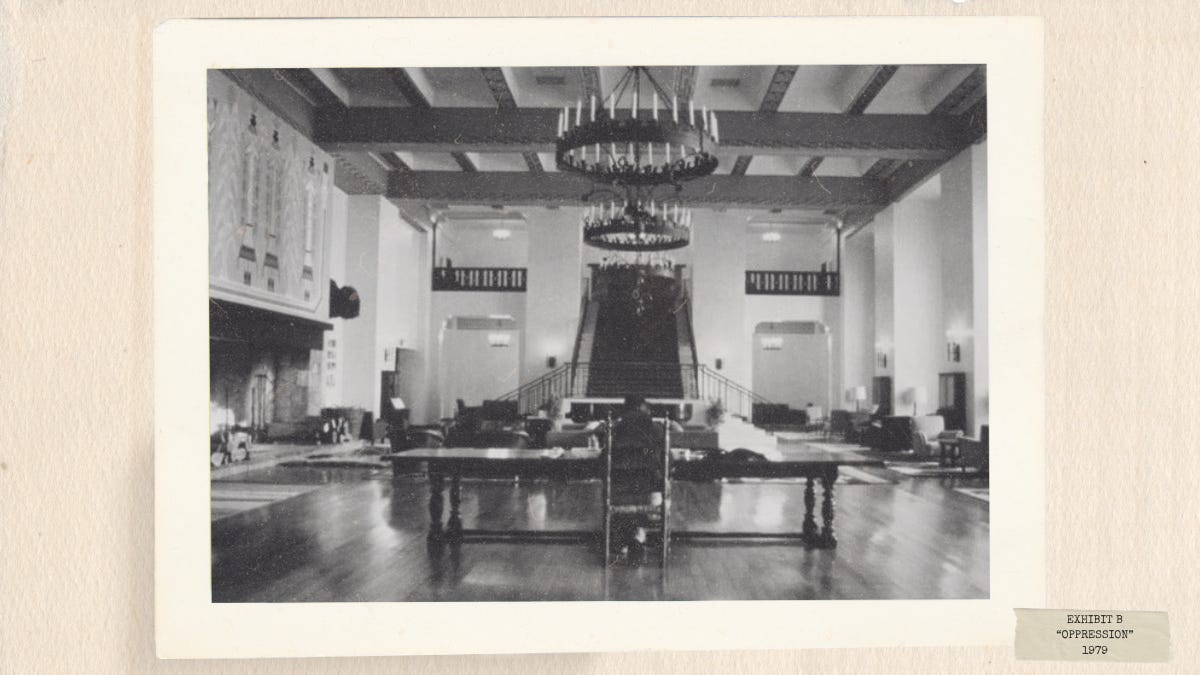
But perhaps it was the isolation. Isolation is known to cause a sense of loneliness and depression. Like many people today, the cause could be the lack of socialization or community. Humans are social creatures, after all.
On the other hand, the Torrance family had a history of financial struggle. Jack was an aspiring author who oftentimes had to take up other jobs just to pay the bills. Similarly, the current economy has also resulted in people’s exhaustion as they work multiple jobs to keep themselves afloat.
Financial strain doesn’t exist just in isolation though. Those who deal with job instability, housing insecurity, and social abandonment overlap with higher rates of substance use. Roughly 65% of those who experience homelessness have reported drug use.
Stress within finances, familial life, and a lack of hope certainly are factors at play here. And considering Jack’s alcoholism, it’s not a shocking thought to think that he reached for the bottle to deal with his lack of breadmaking, possibly feeling at fault for not being able to provide for his family.
To Jack, alcohol was the answer to his problems.
However, the Overlook Hotel has been known for its strange occurrences. Guests have reported seeing people who weren’t there, doors slamming on their own, and even hearing whispers in the hallways.
Some theories suggest that the incident was caused by an entity rather than any sort of substance.
Yet everything points back to Jack. The murder, the chaos, the unstable behavior.
Maybe it wasn’t that the hotel took over him, but it exposed the fractures that were already cracking.
The hotel isolated him. And he was left to freeze.
Part Three: Inheritance
There’s a pattern in every case.
From 1966 to 2012, a series of strange murders took place around the United States. Each case involved murdered families, all in different states. The only connection between each family is that they seemingly lived in each other’s former homes at one point.
The broader case is largely unsolved.
The Oswalt family was the last family from this string of murders. Ellison Oswalt, Tracy Oswalt and Trevor Oswalt were all dismembered with an axe. Ashley Oswalt, the seven year old daughter, was never found.
It was reported that Ellison had moved the family to the house as a means of research for his newest true crime novel. It was an unexpected move, though one that seemed necessary to revive his writing career after his previous works had failed.
Police reports also mentioned the local deputy and an occult specialist was in contact with Ellison at the time. Mentions of a Babylonian god named Bughuul are prevalent—it is said that he lured children to his realm to consume their souls.
In the attic, police found film reels linking the previous murders. Each tape told the same story: a family destroyed, a child missing, a pattern repeating. A demon was blamed. It’s always a demon.
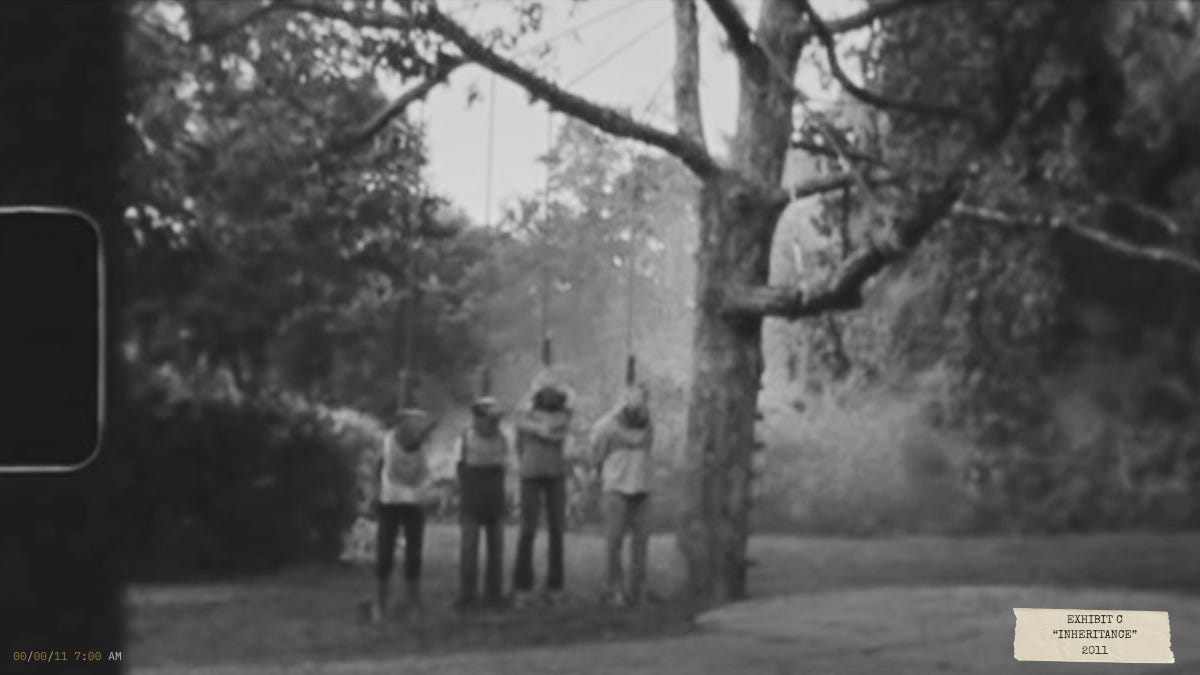
Every family wanted a fresh start. Every child was forced to carry something with them.
The Oswalts were no different. Ellison moved to provide for his family, even if it was at the expense of sensationalizing a tragedy.
Some would argue he was chasing previous success. A high, if you will. This was a chase that ultimately costed him everything, because when he noticed the foundation crumbling, it was too late.
Children’s drawings were found inside the home at the crime scene.
These belonged to Ashley Oswalt. It’s highly likely that the sudden move affected her deeply. She most likely felt unheard, unseen, and abandoned by her father as he obsessed over his work.
Her drawings suggest that she had imaginary friends. Some theorize these are from Bughuul.
To many, the situation mirrored what’s commonly seen in households across America. 1 in 10 children live with an adult who suffers from SUD—although Ellison didn’t seem to have any substance abuse issues, his relationship with his work was an addiction within itself.
With Ashley, many people have pointed to attachment theory. Because of her missing child status, some argue that she may have been coerced into the murder of her family. Attachment theory states that stress from unstable households, such as those with SUD sufferers, increase the vulnerability within a child.
This comes in many forms: depression, anxiety, mental health issues… and even a trauma cycle. These children often grow up to have SUD themselves, thus possibly repeating the cycle.
Yet, nobody really knows what happened to any of these families or missing children.
The only thing for certain: there’s a pattern in every household.
Families were torn apart. Children were taken.
Perhaps it was Bughuul all along, ripping apart the love and care inside the already fragile family unit. Or perhaps it was something we don’t wish to face.
Bughuul may just be the scapegoat of what inheritance is denied.
For these families, something was haunting them. Something supernatural, sure, but it seems as if unaddressed issues plagued the victims. The children, too, were suffering from whatever it was that surrounded these cases.
Until new evidence allows itself to be revealed, the case remains cold.
Part Four: Denial
In other news, authorities are still investigating the strange incident that took place in upstate New York.
The Armitage family was found dead at their estate. Their murders are still being investigated. The sole survivor of the incident, Chris Washington, was the boyfriend of Rose Armitage.
Authorities have questioned his involvement.
Here’s a statement from the police regarding Washington’s status:
“Mr. Washington has told us some, erm, very interesting things. We believe he’s been traumatized from the accident. He keeps telling us something about this ‘sunken place’ and how the family was transplanting brains into young African Americans. That’s all we can comment at this time.”
Hm, that’s a strange thing to say.
Turn the TV off.
As news reports focus on fear mongering, there’s one thing that has never changed: how media handles disparity.
The 80s gave us President Ronald Reagan, and in addition, First Lady Nancy Reagan. Mrs. Reagan’s signature initiative was the infamous Just Say No campaign, in which the media was quick to take part in.
PSAs were created with celebrities, telling children to “just say no” to substances while frying eggs. Children across America were being introduced to the D.A.R.E. program in schools. While all this seemed innocent enough, the real War on Drugs that started in the 70s was far from it.
As yuppies on Wall Street snorted cocaine in clubs, those in urban areas were hunted down by the police. Even more telling, under the Anti-Drug Abuse Act of 1986, a person could receive the same prison sentence for possessing a small amount of crack cocaine as someone with 100 times more powder cocaine.
And yet, that isn’t the story Americans were broadcasted.
They were shown mugshots, urban streets, and nasty footage of arrests. All the while shows like Lifestyles of the Rich and Famous glamorized people who also partook in drug use. Different sets, different lighting.
Chris Washington, too, was given a different direction.
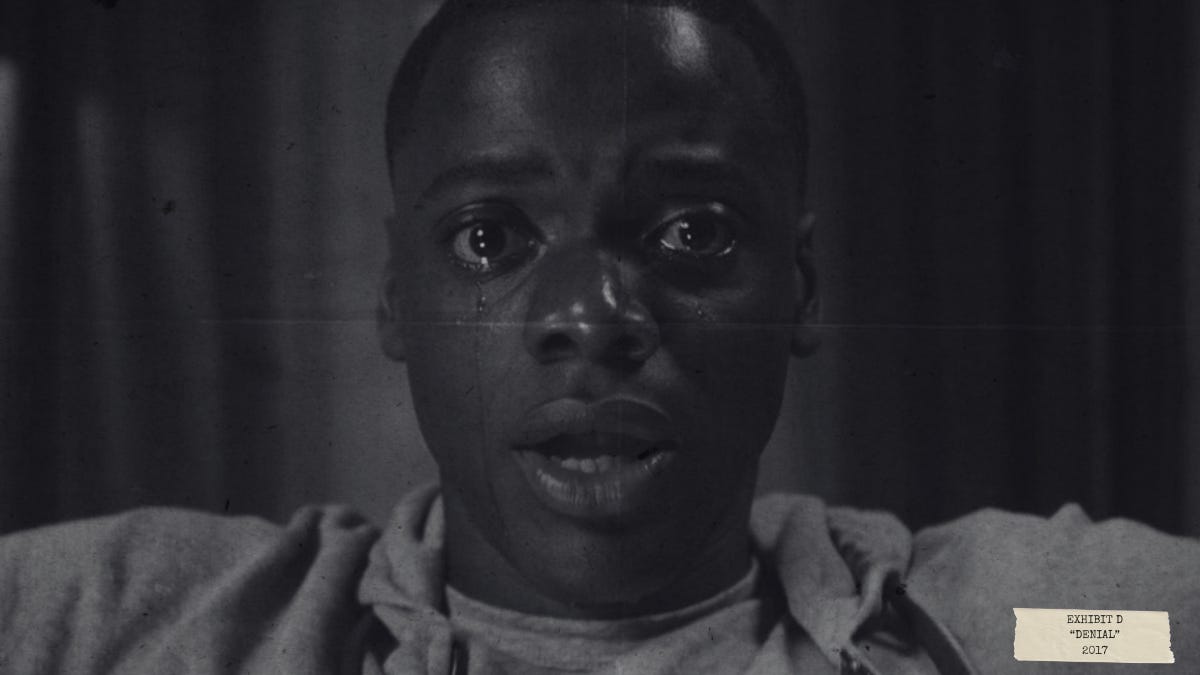
He wasn’t heard. He was interrogated.
He wasn’t understood. He was diagnosed.
Washington described the sunken place as “somewhere you can see what’s happening but can’t control your body.”
If one were to close their eyes, it would sound eerily close to someone suffering from SUD, having a loss of agency despite it all. But when someone suffering speaks, the media ever rarely listens.
Instead, they build upon exaggeration.
Often, media acts as a way to dehumanize people who use drugs. With opioids, black and Hispanic communities are portrayed as more blameworthy.
With cocaine, black urban communities are seen as “bad” for using it, but rich white communities are simply “living it up.”
Marijuana users are sometimes portrayed as hippie dropouts, typically associated with “loser” tendencies.
Those who partake in meth are “white trash meth heads” who can’t get their lives together.
All of these are ways of dismissing the reality of what SUD is, and ways for the media to condition the masses into believing certain ideas about people with the disease. Because, yes, addiction is a chronic brain disorder.
This all makes it much harder for individuals to seek care in fear of shame.
So, what is shame if not the sense of losing control? And what is the loss of autonomy if not the sunken place?
Because the sunken place is what happens when everything is stripped away from you—your voice, your body, your own identity. It’s what happens when the media speaks for you.
When people who suffer are reduced to statistics and caricatures.
When the media possesses the narrative.
Part Five: Desperation
ɪ ᴊᴜꜱᴛ ᴄᴏᴜʟᴅɴ’ᴛ ʟɪᴠᴇ ᴡɪᴛʜᴏᴜᴛ ʜᴇʀ.
ɴᴏ ᴍᴀᴛᴛᴇʀ ᴡʜᴀᴛ ɪ ᴅɪᴅ ᴛᴏ ꜰᴏʀɢᴇᴛ, ᴀ ᴍᴏᴛʜᴇʀ ɴᴇᴠᴇʀ ꜰᴏʀɢᴇᴛꜱ.
ɪ ᴡᴀꜱ ᴡɪʟʟɪɴɢ ᴛᴏ ᴅᴏ ᴀɴʏᴛʜɪɴɢ ᴛᴏ ᴍᴀᴋᴇ ᴛʜᴇ ᴘᴀɪɴ ɢᴏ ᴀᴡᴀʏ.
When everything fails you, what’s the last option?
Desperation is tight. It holds onto you with white knuckles, its nails breaking your skin.
Despite using Band-Aids, the bleeding never stops. The wounds scab over but you can’t help but to pick at them.
They never truly heal. Time doesn’t always heal wounds.
In one such case, a former counselor named Laura decided to foster two children after their father died. Andy, age 17, and his preteen vision impaired sister, Piper. Laura was eccentric, but her past haunted her.
Her daughter, Cathy, was also blind. She drowned in the backyard pool.
Laura took up fostering to try and help other children. Along with Andy and Piper, she took care of a boy named Oliver.
Kind of.
Police found her cradling the body of Cathy, who was half frozen and half eaten. She was arrested immediately.
Piper had run away for help, and when police asked her about what happened with Laura, she didn’t have much to say. However, she did tell them that Laura had tried to kill her, and that she had unfortunately successfully murdered her brother.
Oliver was also rescued from Laura’s care. Except, Oliver was actually a boy named Connor that had been missing for quite some time. Perhaps more haunting are the VHS tapes that the police found in Laura’s home.
Authorities reported that she had snuff films, with the recordings being regarded as “rituals” to possess and bring back the dead. The investigation never led to any clues as to where these VHS tapes came from, though cult activity was suspected.
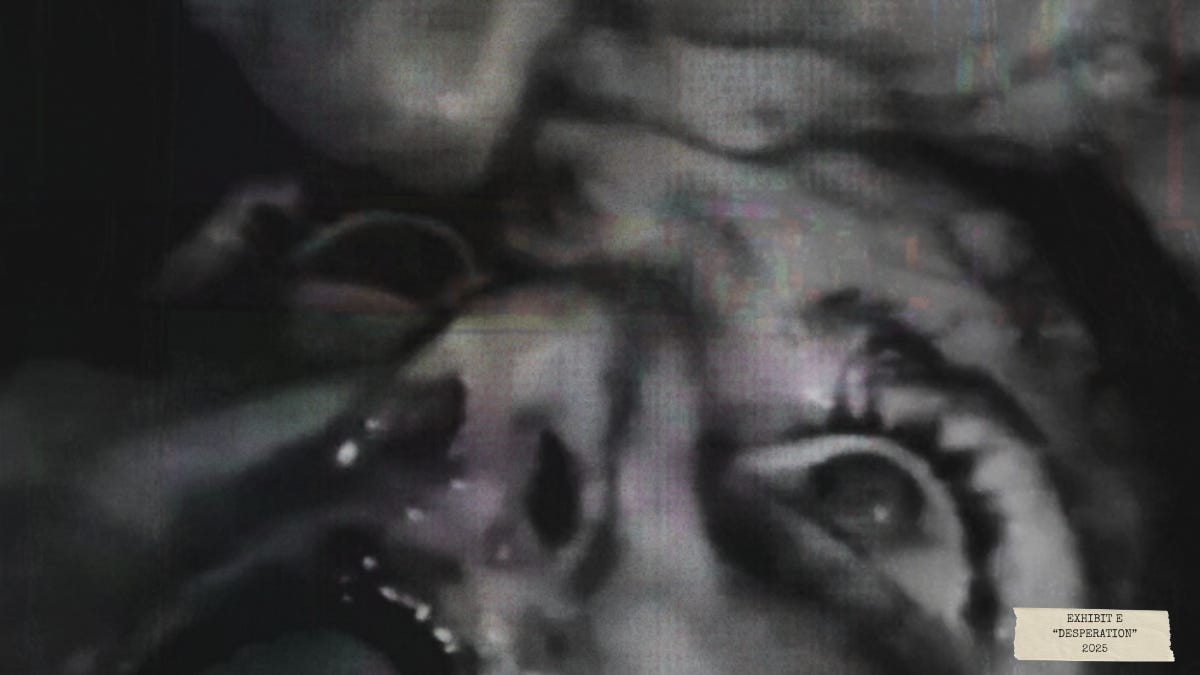
Laura’s confessionals with the police are more than heartbreaking. They’re disturbing, unsettling, and honestly a very rough watch.
According to her, she needed a host to be possessed by an entity. She needed the host—Connor—to eat the flesh of her daughter’s body. She needed to kill Piper so Connor could vomit the flesh into her and bring her daughter back.
Laura had been storing her daughter’s body in a freezer for months.
She was willing to do anything to make the pain of her daughter’s death go away.
The grief had been eating away at her. And grief makes people believe in irrational miracles.
Laura believed a demonic ritual would bring her daughter back. No matter how many people it hurt. No matter how much it hurt her.
She needed it.
She was desperate. And when you have nothing to fix it, you create ways to cure your sorrow.
Laura was pushed into a corner. She believed she didn’t have any other choice.
Conclusion
Demons don’t exist inside addiction.
They’re not in bottles. They’re not in powder. They’re not in pipes or needles.
Demons only exist within the systems that take advantage of the wounded.
People are not possessed by addiction.
Possession comes from isolation. Hopelessness.
And you don’t need a priest to exorcise that.
You need people.
Community breaks possession.
The archive refuses to continue the narrative of these systems.
The archive is here to expose them. And to expose them is to defy them.
And to defy them is through acts of compassion.
We are not here to judge. We are here to reach out a hand.
The archive invites in all.
If you believe in the archive’s work, you can support further investigations here.
Great essay!
....it's always a demon, always.