

The Parent-Child Complex
A hidden gem about parental abuse and... cannibalism?

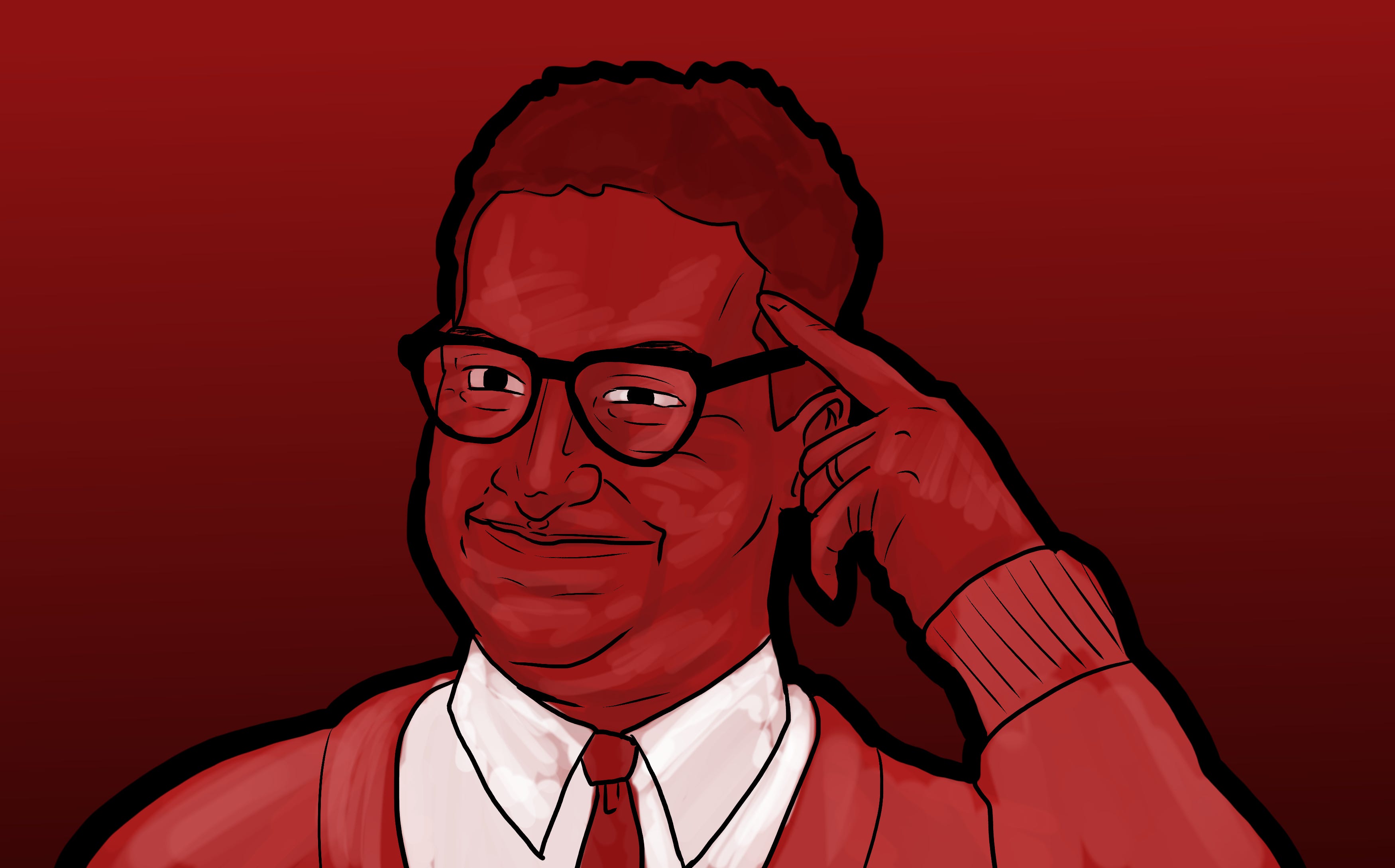
Parents and their children are never going to agree on everything. That’s just how it goes, much like everybody else in the world. Of course, there’s an extra layer with disagreeing with the opinions of your parent or child, considering the relationship dynamic. Most people are able to accept the differences and move on, others are unfortunately affected more directly and negatively.
From teenage rebellion to finding yourself in adulthood, you begin to form your own opinions outside of your familial sphere. This is all a healthy, normal part of life.
Some parents, however, refuse to accept change in their children.
The family in Bob Balaban’s Parents (1989) is an extreme hyperbole of the complicated and oftentimes confusing parent-child dynamic. With the nifty backdrop of 1950s America, the nuclear family structure is challenged after the emergence of a dark secret.

Continuing Family Tradition
Parents follows a stereotypical 1950s family unit. Or, at least it feels that way… until you realize that the parents are actually cannibals.
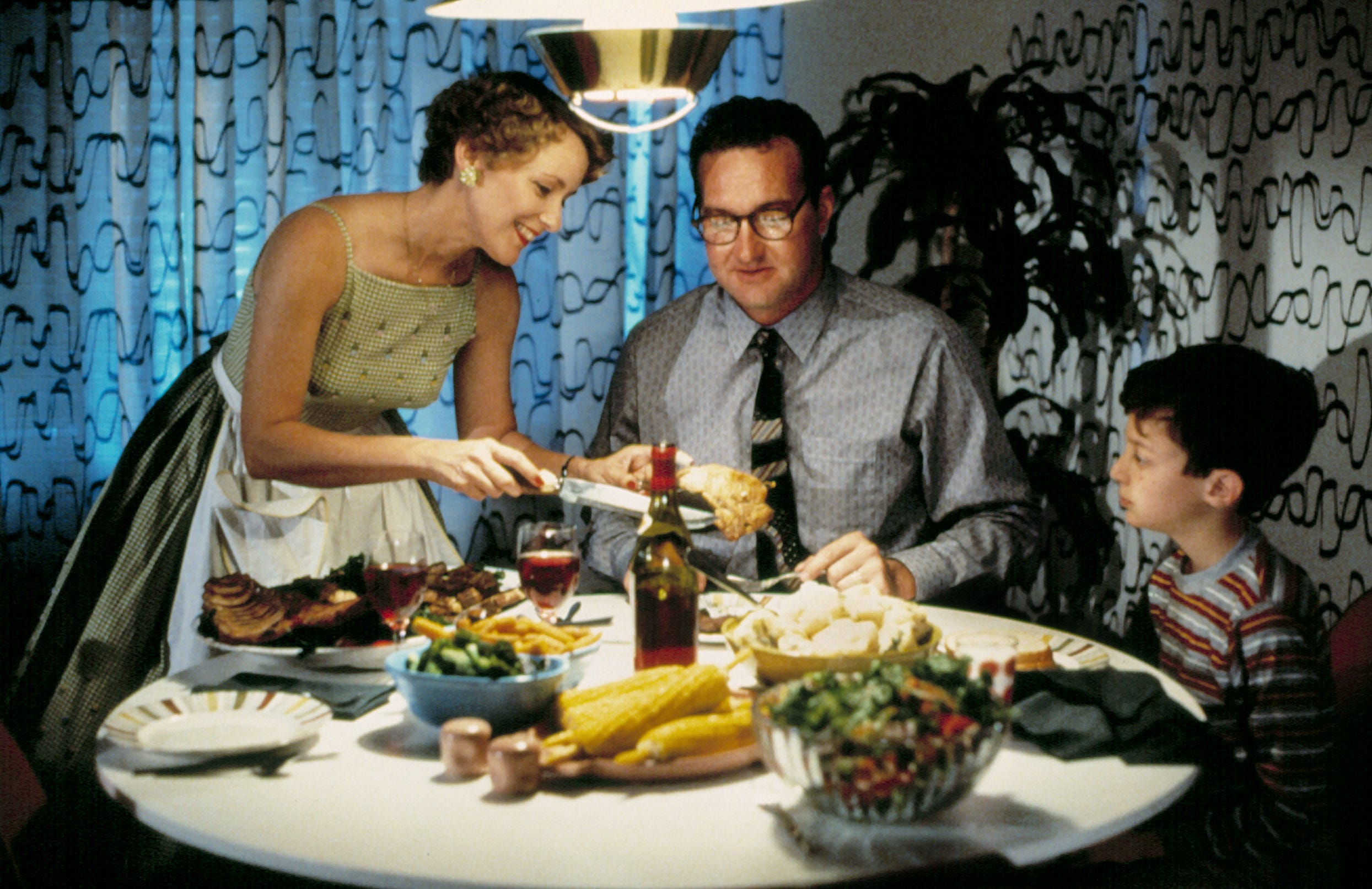
And while the “normal people are actually freaks” storyline isn’t necessarily groundbreaking, a horror movie focused on the complicated relationship between parents and their children is somewhat unique.
The film’s main characters are as follows: Michael (the son), Nick (the father), and Lily (the wife). Oh, and Nick is played by Randy Quaid of National Lampoon’s Vacation fame by the way, though Nick is much more clean cut than Cousin Eddie.
The movie focuses mainly on Michael’s issues. Michael refuses to eat meat. He has nightmares, he hates his new house, and he believes moving to a new town was a mistake.
One would assume all of these issues simply spawn from the stress of the move, but the reality cuts deeper. From the start of the film, it’s made obvious that Michael is suspicious of his parents, starting with his dislike of the meat they have for dinner. He has no idea what kind of meat it is, he just knows he doesn’t like it.
His parents encourage him to eat his protein. Lily is much more gentle with her efforts, while Nick pushes into “tough love” territory. However, their efforts are futile, as Michael doesn’t give in to any of their begging.

As the film continues, it’s obvious that Michael is seen as the black sheep of the family. He and his father don’t seem to get along as well as they originally portrayed either, with Nick explaining to his son:
“You don’t look like me. You don’t act like me. You hate me. Well, you know what? I’m not so crazy about you either.”
A very troublesome statement, but one that makes a lot more sense when you remember it’s because Michael was playing in the freezer he was forbidden to go through. Of course we know that’s because of the human meat, but the film harps on Michael’s parents wanting him to “fit in.”
In a prior scene, Nick says:
“See, Michael, we have to fit in. This is a new place. You understand?”
In retrospect, this was because Nick didn’t want any attention drawn to the family because of their dietary habits. However, it also plays into deeper familial problems.
Their forcefulness with the whole “meat” thing is comparable to real world family disputes. Parents force their ideas onto child, child refuses, so on and so forth.
For the Laemle family, cannibalism seems to be some weird tradition (as the grandparents are in on it too), and they want to pass it down to their son.
Michael’s refusal is therefore disrespectful.
Now, this is a very exaggerated way to touch on the issue, but I think it gets the point across quite clearly. Children are continuously pressured by their parents to do things their parents want them to do, rather than what they themselves want to do.
This could be something as simple as sports or as involved as political leanings. Some parents want to live through their children, other parents pressure their kids to be more attentive than their own distant parents.
In the case of Parents, it’s because Michael is choosing to make different life decisions.
He’s berated for not following the same path as his parents, and just like real-life children, suffers from mental health because of the pressure.
All of this can be seen while watching Parents, but what’s more interesting is how the film treats the cannibalism aspect in comparison to the familial drama.
Nightmare in the Bloodline
The horrific revelation of cannibalism in Parents is discarded as a secondary plotline. Instead, the film focuses more so on how Michael is treated after he finds out about it. At first this probably seems silly, considering it’s a quirky comedy horror movie about suburban parents indulging in human flesh.
However, the film is all in Michael’s perspective. While, yes, he’s definitely concerned about his parents eating people, he’s also still a child. He’s scared of his parents first and foremost, which is why the movie decides to focus so heavily on the abuse that comes from his discoveries.
Nick actually ties Michael to one of the dining chairs, which we can only assume means they’re going to try and force him to eat. Before they do that, they basically try to gaslight him first:
Nick: “You’re an outsider. You’re not like them. You’re like us.”
Michael: “I don’t love you anymore.”
Lily: “Yes, you do.”
Nick: “We’re bound for life. No matter how much you hate us.”
Now, forcing your kid to eat people and then trying to manipulate him into still loving you is pretty intense, but throughout the film all I could think about is how this scene perfectly exaggerated the “toxic parent.”
Going no contact with parents has become increasingly more popular for those who came from toxic and abusive households. While many do this to get away from their narcissistic parents, there still seems to be a stigma around the topic.
Think the whole “blood is thicker than water” thing. Narcissistic parents in particular love to use the family bond as their crutch, which turns into speeches like the one Nick gave.
But going no contact doesn’t solve everything. The trauma induced from childhood still clings to the brain, so the “we’re bound for life” thing Nick said is true to some extent.
I bring this up because the film itself somewhat touches on the idea of going “no contact.” Well, sort of. Michael kills his parents to escape, which is the most “no contact” you can get.
Yet, the end of the film has Michael still thinking about his parents. He’s still haunted by everything they did, including the dreaded cannibalism.
That was what really tied the story together. It’s a film about abusive parents first, and a film about cannibals second. I never thought something would overshadow a cannibalism storyline, but here we are, I guess.
Perhaps that’s because the cannibalism is so tame. The movie isn’t disgustingly gory. It’s nothing like Silence of the Lambs or Cannibal Holocaust. We don’t even get a kill until nearly the end of the film, and the kill isn’t anything special. Hell, the human meat is literally cut into chunks and thrown on the BBQ, so you can’t even tell it’s not beef.
The most disturbing parts of the film have nothing do with cannibalism. They’re the nightmares that Michael has. The way Michael’s father speaks to him. The fact a little boy is refusing to eat and is scared of his parents.
After all, the film isn’t called Cannibals, it’s called Parents.
I was delightfully surprised with Parents. Admittedly, I wasn’t expecting much. I figured it would be a fun watch, but I certainly didn’t expect anything too crazy. It was on Tubi, and I had never heard of it, so I went in with low expectations.
I didn’t expect to turn all high school English teacher mode and start looking for symbolism and meaning at all, let’s just say that.
It’s a good movie. There’s some janky editing here and there (lots of random voice overs), and it may not be a masterpiece of cinema, but I think that makes it more endearing. It’s a charming piece of horror media that I feel is highly underrated, especially due to the nature of the plot. Definitely a hidden gem.
Plus it has Cousin Eddie in it, so I don’t know, I’m kind of biased. Admittedly, it made me want to rewatch the Vacation movies again.