

The Soundtrack of Fear: Music in Horror
The link between horror music, emotion, and the soul

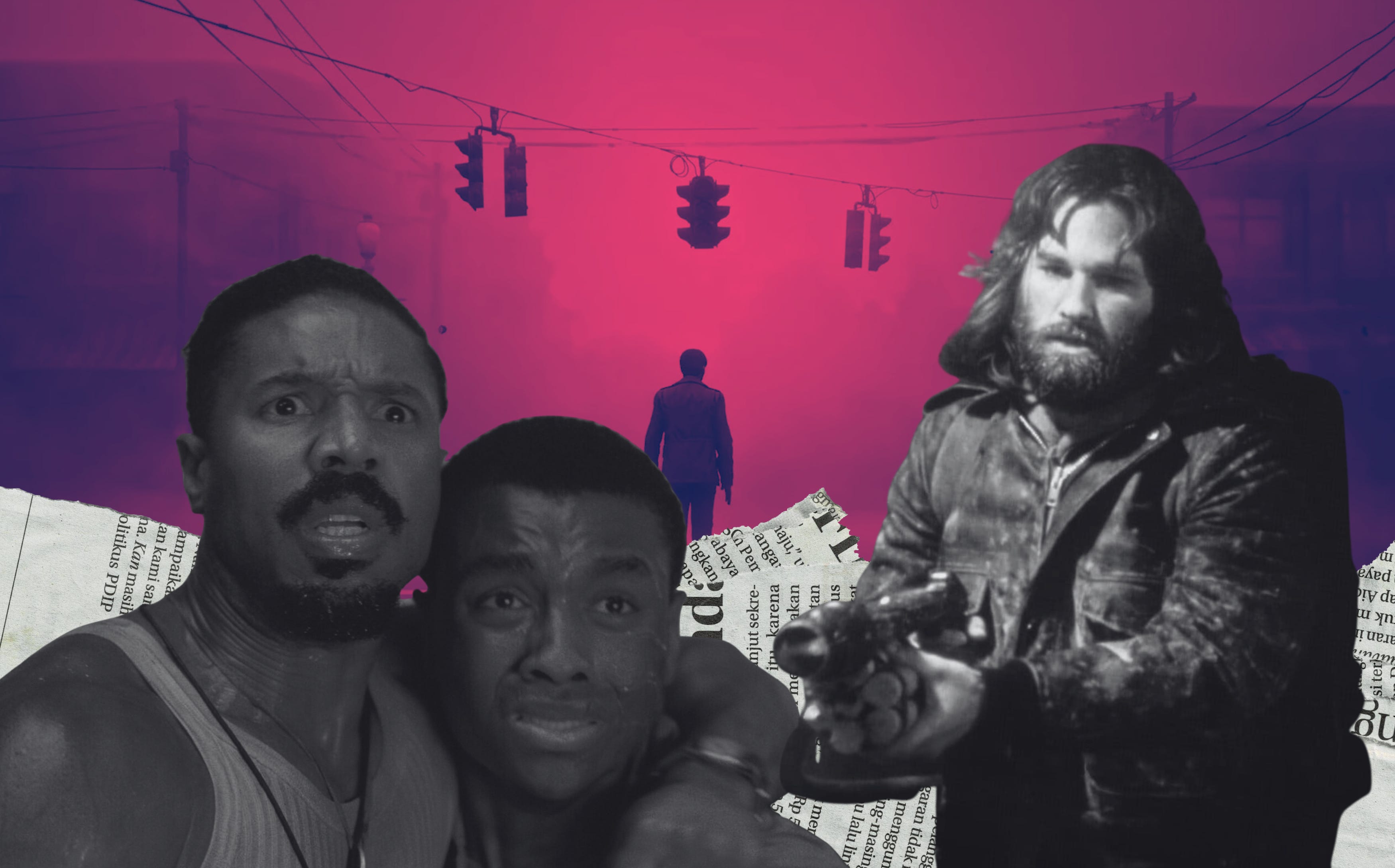
Taking a step back, we realize our society is one built upon music. After all, it utilizes one of the most important human senses: hearing. The way we perceive sound is embedded in our survival instincts, with our ears able to detect what sounds are dangerous and which are generally safe.
The same has come with our music. We have created songs that sound fun, dangerous, sexy, sad, confusing. We have created music that covers almost every emotion and every situation, with basis of these themes coming from within our own psyche.
In film, music is pushed even further into these psychological tests, with orchestras and musicians scoring scenes as they play out to get the perfect mood. The short of it: a horror movie wouldn’t be as suspenseful if they played “Beat It” by Michael Jackson.
See, all genres of music have their place in our lives and certainly in our films… but how do they stack up within the horror genre? How does music become so integral to a horror film that we can’t even imagine many iconic scenes without it?

Why Sinners?
Possibly the biggest film of this year has to be Ryan Coogler’s Sinners. A 1920s period piece, the story focuses on twin mafia brothers opening up a juke for the local community, though their plans are quickly thwarted by Irish vampires. While the film touches racial tensions, historical issues, and cultural differences, it also takes great influence from music.
In fact, a big part of the plot focuses on the importance of music not only within humanity, but diverse cultures as well. For Sinners, it’s said that “true musicians” have the power to bring harmony across timeliness and spirit. One of the most iconic scenes of the film has Sammie playing the blues on his guitar, bringing in spirit from past, present, and future.
The scene features a Jimi Hendrix look-a-like, 1980s hip hop DJs, African tribal musicians, modern rappers, and lots more. It’s a scene that is utterly jaw-dropping and stunning, showcasing how important music truly is within our lives.
For Sinners, music is the plot line. Remmick doesn’t come in until he hears the beautiful music, explaining how he too used to be able to bring forth such harmony for his own ancestors.
But Sinners is very different than most horror films, as other movies typically use music as a tool rather than the central plot point.
The Sound of Fear: Film
While Sinners treats music as a cultural and spiritual tool of communication across timelines, most horror films use music as a weapon against the audience. It’s treated as a tool in fear—sharp, calculating, and unnerving.
Carpenter
John Carpenter is the master of horror soundtracks. His synth-heavy Halloween score not only captivates the audience’s attention with its groovy undertones, but it also mimics the film’s mood. The song sounds like a serial killer chase theme, with a heart beating fast and a horrifyingly silent atmosphere. His theme is part of what makes Michael Myers into The Shape, and what sets Halloween apart from other horror movies even to this day.
But here’s the thing: Carpenter has so many other films than just Halloween. Take They Live for example, with “Wake Up” being reminiscent of the easy-listening tunes of the 1980s, yet also nostalgic of the detective shows we once knew. It purposely blends familiarity with mystery, just as the film itself does.
“The Thing” leans more into an atmospheric sound, mimicking the cold unknown of Antarctica while drilling into the paranoia with its gritty guitar riffs that cut in between each synth.
Carpenter uses music to not only accompany the movies he works on, but to advance the plot as well.
Herrmann
But long before synths ever harmonized, terror found its sound in strings. While Carpenter stalked his audience, Herrmann full-on stabbed them without warning. Bernard Herrmann’s score for Psycho is one of the most recognizable in film history, accompanying a major pop culture moment that changed the course of horror forever.
Let’s take it back to 1960: Alfred Hitchcock’s Psycho has just released in theaters. It becomes the talk of the town, with risque shower scenes and shedding light on mental illness. Despite its controversial livelihood, Psycho has become a staple in the horror genre.
While much of this has to do with how the film paved the way for the slasher subgenre, it would be silly not to acknowledge how important the shower scene was.
The shower scene, possibly one of the most iconic film scenes of all time (right up there with Luke Skywalker’s father reveal and Neo’s bullet dodging), has become a pop culture reference point for ages. But the scene itself wouldn’t be quite as powerful if it wasn’t for the memorable strings that bring it to life.
Herrmann’s score grabs the audience and forces them into the scene with one of the most iconic music queues ever created. The music is striking and in-your-face, creating an unnerving and piercing sound as Marion is stabbed to death in her state of vulnerability. In this instance, the audience becomes the stand-in for Marion… safe until the strings rip into their eardrums.
McMahon
The Lost Boys gave us a vampire film built on teenage rebellion, paired with one of the more popular horror soundtracks of the ‘80s: “Cry Little Sister” by Gerard McMahon.
Where other horror films lean into synths, strings, and eerie melodies, The Lost Boys embraced its rebellious rockstar aesthetic in gothic charm. “Cry Little Sister” isn’t meant to scare us, but rather seduce us.
Its harmony is hypnotic, with a soft voice calling to us like a spell. McMahon didn’t go for a traditional horror theme, but rather a song that hides the terror underneath… just like the vampires.
Meant to mirror the horrifying allure of the vampires in the film, the song stands in as a siren call for the tantalizing bloodsuckers.
The Sound of Fear: Gaming
While music in film is used to manipulate our senses, in horror games it’s meant to immerse us even further. It isn’t just background… it’s part of the experience.
Silent Hill 2
While the Silent Hill franchise as a whole pushed horror music even further, it’s Silent Hill 2 that people typically point to as one of the best soundtracks in horror gaming.
Perhaps it’s the embodiment of the 2000s in “Theme of Laura.” It’s a striking track, reminiscent of what I can only describe as pop-rock songs of the time that you would hear on television. In the best way possible, it is a track of extreme nostalgia, meant to be much more upbeat than any other track on the OST.
In the game, Laura is a young girl who is described to be the only innocent character in the entirety of Silent Hill, giving her the special ability to not see the terrifying creatures that haunt the town.
In the same breath, we have songs like “Black Fairy” and “A World of Madness,” tracks that match the theme of the game’s storyline much closer. They are haunting yet peaceful. Ghostly yet beautiful. Much like the town of Silent Hill, they are paradoxical in nature.
There is something particularly terrifying about “Black Fairy” though. Maybe it’s how it repeats over and over again, how it sounds like flies swarming a decomposing body… how it feels like somebody descending into utter madness.
For those of you unfamiliar with the story of the game, Silent Hill 2 stars main character James Sunderland. He’s called to Silent Hill after receiving a letter from his dead wife to visit her there.
As the game goes on, we learn that James is actually responsible for killing his wife; at the same time, so does James. He suffers from amnesia, and the further we explore Silent Hill, the more we are forced to make James face the truth and go through his guilt.
It’s why the tracks of the OST sound so powerful. They are full of grit in forms of sorrow and decay, something that Akira Yamaoka is a master of.
Manhunt
Rockstar Games is a company known for iconic properties such as Grand Theft Auto and Red Dead Redemption, but underneath the flashy titles lies an underrated classic: Manhunt.
Manhunt centers around death row inmate, Cash. He wakes up after being “lethally injected,” realizing he was simply sedated. He is under the control of “The Director,” who orders him to kill other criminals around Carcer City so he can earn his freedom.
Eventually, we learn that The Director is in charge of a snuff film ring, producing content to sell for his own benefit.
It’s a storyline that keeps you on your feet, and although the game wasn’t a commercial success, it has since gained a cult following. Part of that, I’d have to say, has to do with the accompanying soundtrack.
Take “Doorway Into Hell,” for example. It is a perfect ambience track, causing severe discomfort to its listener. In the background of the track, you can faintly hear the breathing of a man walking through a door he can never come back to; Cash isn’t just a killer, he’s a puppet.
There’s also “View of Innocence,” which takes you through the mind of Cash as he sneaks around to try and save his family from the murderous criminals. What’s so interesting about this track is that it painfully mirrors the scene so well. It’s distasteful yet perfectly cruel. The synths, the guitars, the build up… the soft screams in the background.
It accompanies a scene of Cash trying so hard to save his family, only for them to be killed anyway. One of the most chilling lines of the game: “You must understand, Cash, I could never let them go. Where were your family when you were face with your final moments in the chamber anyway? You’ve left your old life, your old self, behind. I’m all the family you need now.”
Lavender Town (Pokémon: Red and Blue)
Although not uniquely a horror game, Pokémon: Red and Blue is special in that features a song known for its creep factor.
Upon the game’s release in Japan (known as Red and Green over there), reports of suicide in children and young teens spiked. Many reported that they suffered from migraines and symptoms of psychosis after hearing “Lavender Town.” The song was pitched down in the game’s re-release to prevent further incidents.
Horrifying, yes… except none of that actually happened. The story is completely fabricated by randos on the early internet and is known as one of the more popular creepypastas.
The song itself is actually quite catchy, but because of its infamy online, it has since become the theme song of many short horror films and animations.
Conclusion
It doesn’t matter if it’s in a theater seat or behind a controller, music in horror doesn’t just act as a composer of fear… it teaches us how to feel it.
From the synths of Carpenter to the fog of Silent Hill, music is a vital part to any horror experience.
—
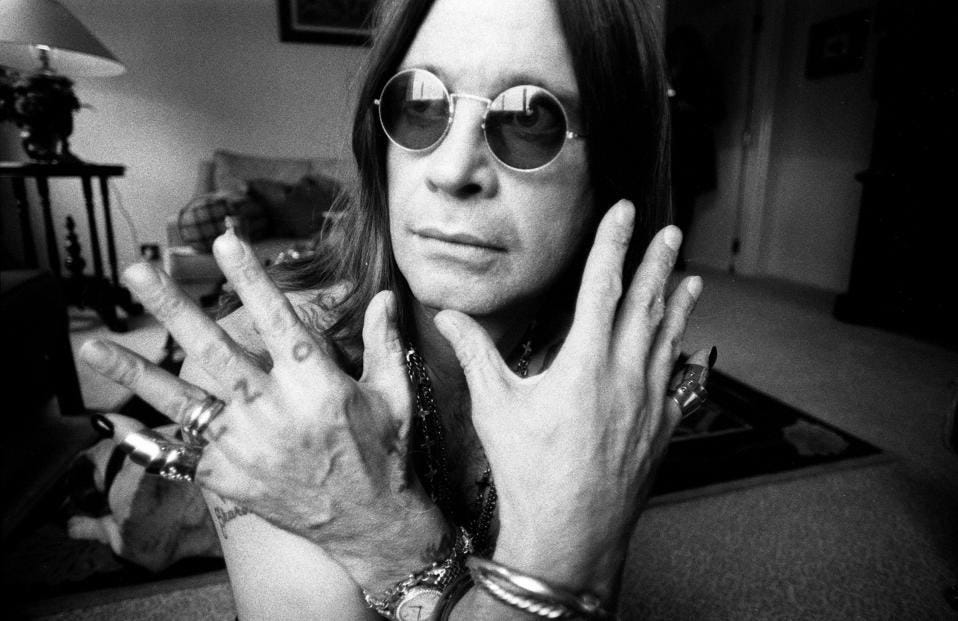
Rest easy, Ozzy. To the Prince of Darkness himself, you created music that shaped so many people. From metalheads to horror fans, to casual listeners to hardcore lovers. You’re flying high again.
having a good musical score adds so much to the atmosphere to a horror movie
Something I always loved about Carpenter was that he felt like equal parts filmmaker and musician, maybe even more so musician. I've always felt like his films are very well composed.