

Vampires: The Paradox of Romance
Why bloodlust is a dangerous game

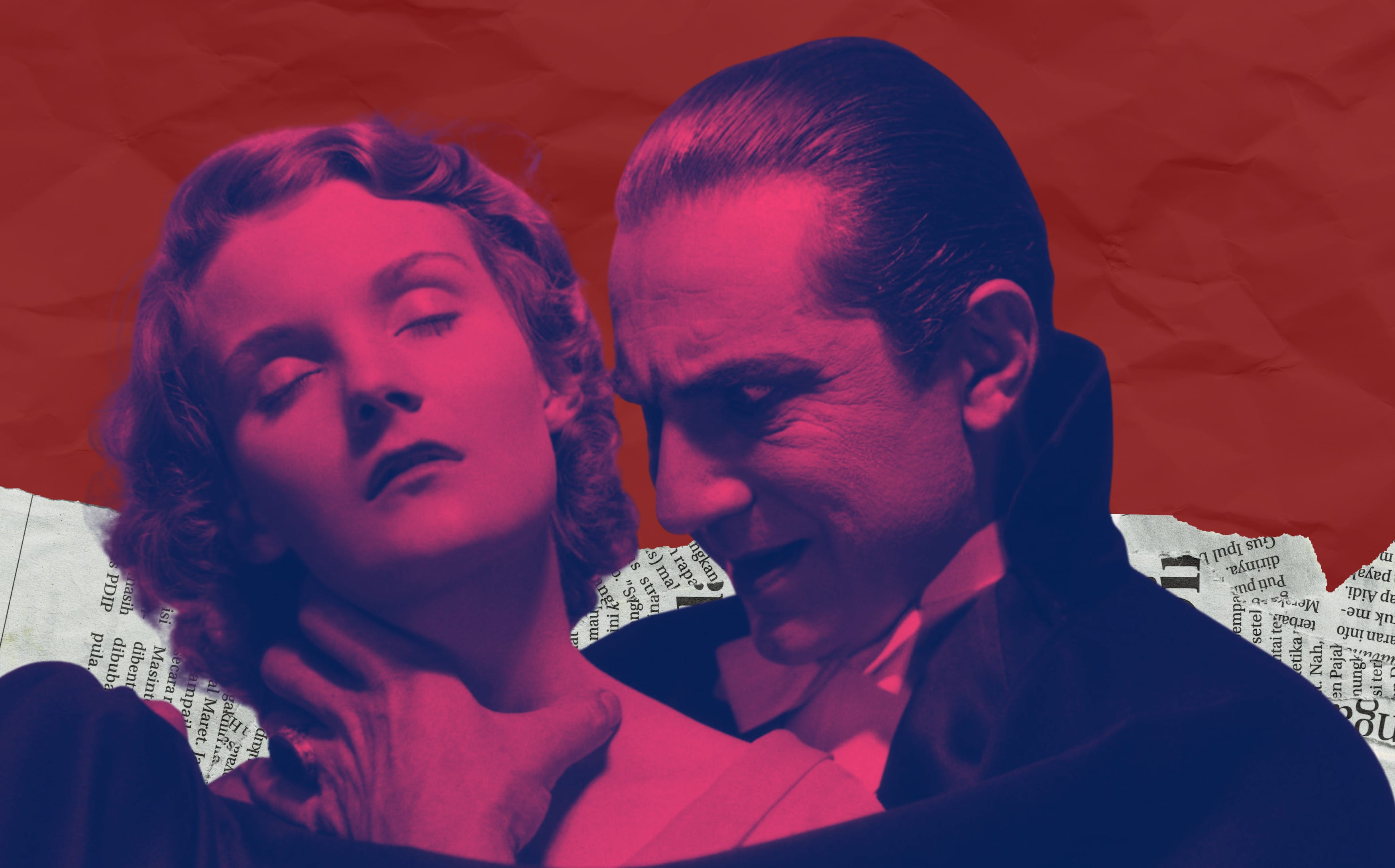
Throughout centuries, vampires have served as a cautionary tale.
Ancient Mesopotamian and Jewish mythology refer to what many call the first vampire: Lilith. Lilith, often cited to be Adam’s first wife in the Garden of Eden, refused to be subservient to Adam, rejecting the concept of being submissive entirely. She is said to have left Adam in favor of becoming the “queen of demons,” who would prey on the flesh of not only adults, but babies as well.
Other cultures also touched on these bloodsucking monsters; Albania has the vampiric witch known as Shtriga, Greek has the undead vrykolakas, Madagascar has the living vampires known as the ramangas.
Even in the 1800s, the fear of vampires grew into a full on panic with diseases like tuberculosis spreading rapidly. People would exhume dead bodies and drive a stake through their heart before burying anyone to prevent the spread of vampires. Thus, vampire killing kits became extremely popular during this time, so much so that many can be seen on display at the Vampa Museum.
Despite the fear of these bloodthirsty creatures, media began to twist their evil nature into something more glamorized: the romantic vampire.

Sparkling Manipulation
The romantic archetype has long been prevalent in vampire media, yet it completely detracts from the true nature of what vampires are meant to be. Instead of being portrayed as bloodthirsty savages, many vampire characters have been twisted into romantic heartthrobs.
Media like Twilight, The Vampire Diaries, and True Blood have created spheres based in forbidden love, where humans are enticed by the vampire’s allure.
Twilight is possibly the most infamous. Although it’s been ragged on for years, I’m not coming after it because of its simple existence. While it’s a fan favorite among many (which, more power to you), it arguably brought the craze of romantic vampires to new heights.
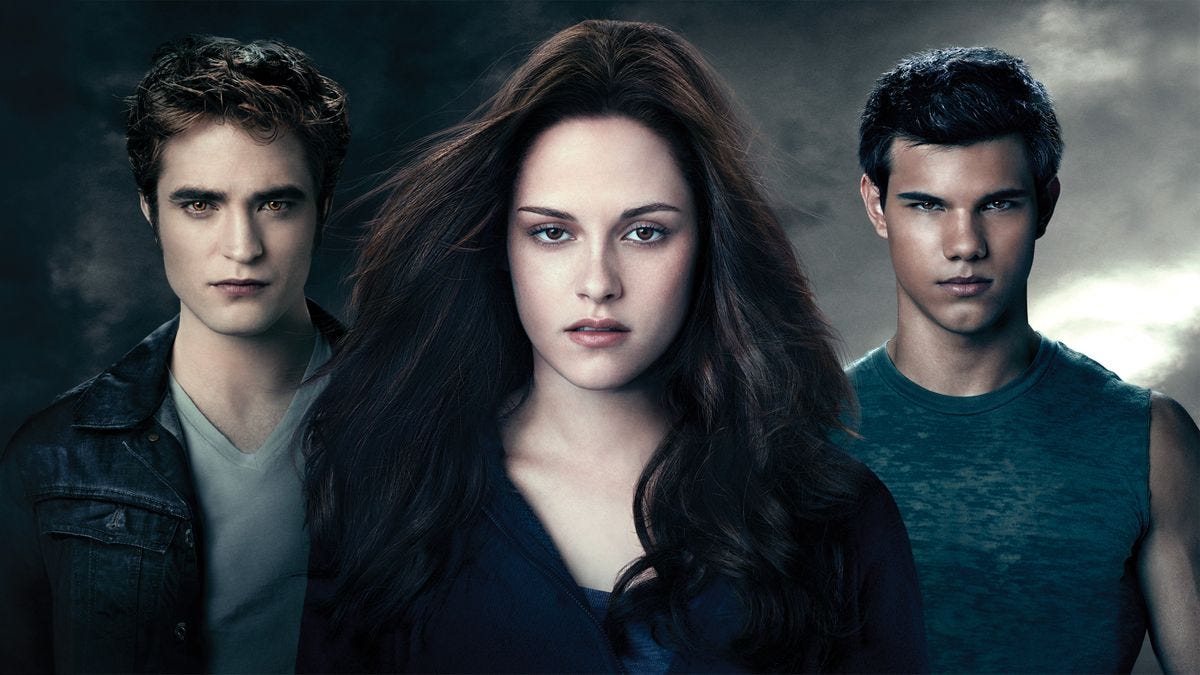
Twilight glamorized what a vampire could be: sparkling skin with perfect face cards to better lure you in with. They are described to “look” perfect, and although they still feed on human blood, they can switch to animal blood as a means of protest.
The series focuses on teenage lovers—except Edward is 108-years-old and Bella is only 17-years-old. Although meant to be a love story between people from different worlds, Twilight weirdly undoes its own romanticization with its own plot.
The age gap between Edward and Bella. Edward watching Bella sleep every night. Edward wanting to know every thought Bella has out of possessiveness.
The “romance” of these films quickly turn sinister, contradicting itself with just about everything. It proves that vampires, even sparkly ones, are manipulative predators even with rose-colored glasses on.
The Dracula Debate
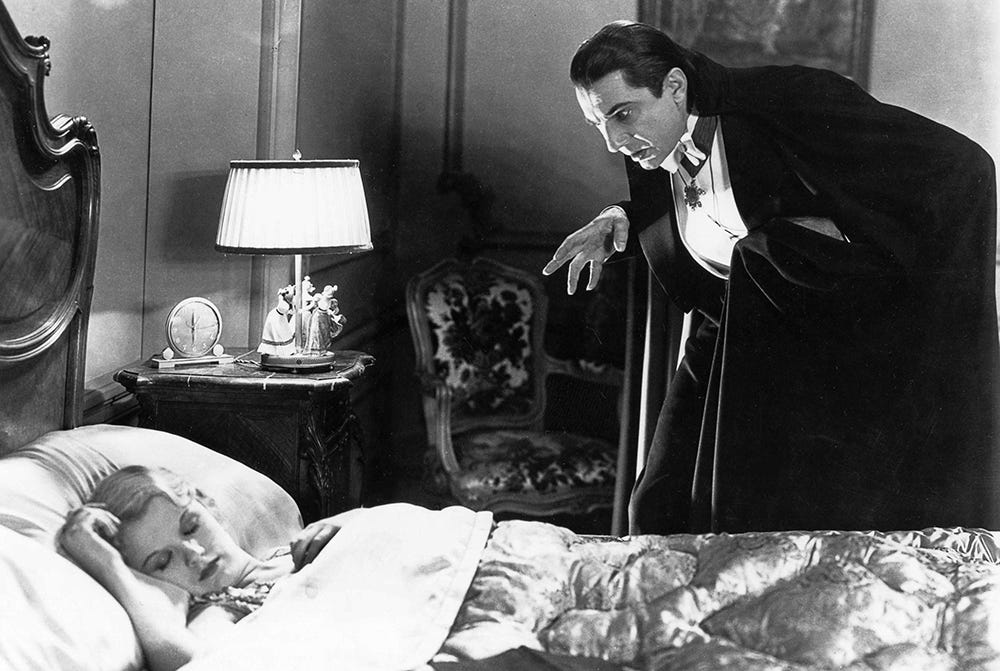
Dracula by Bram Stoker seems like a clear slam dunk in its messaging: a predatory vampire who preys on women. Dracula not only has multiple wives who he feeds a child to, but he also preys on Jonathan Harker’s wife, Mina.
He attacks Mina three times, forcing himself onto her to drink her blood. The third time, he forces her to drink his own blood to turn her into a vampire for eternity, cursing her out of his own selfish desires.
While this all sounds awful, some have romanticized Dracula’s actions. It’s not that he’s “evil,” but rather seeks companionship because of his curse. But, the reality is that Dracula is meant to represent the horrors of predatory behavior. He is the key character of villainy because he represents the real terror that comes from SA.
It’s heavily debated on if Bram Stoker was inspired by Vlad the Impaler in his creation of Dracula, but there are still crazy similarities between the two regardless on if there was inspiration or not. Vlad the Impaler was a sadistic barbarian, committing acts of violence out of pure evil.
He was unbelievably cruel, known for impaling people alive and forcing them to die in misery. Vlad murdered thousands of individuals, including men, women, and children. His cruelty, especially towards women with babies, serves as a direct comparison to Dracula.
Dracula—what Dracula is meant to represent—is unnerving cruelty. He is to be seen as a murderous creature who feasts on the human race, not as a hopeless romantic seeking companionship. He feeds his wives innocent children, preys on defenseless women, and relishes in committing violence.
What Are They? Truly?
The vampire is of negativity. Sometimes they’re soulless. Sometimes their soul is corrupted by evil. Regardless, they are shrouded in dark energy, feeding off the living for their own gain.
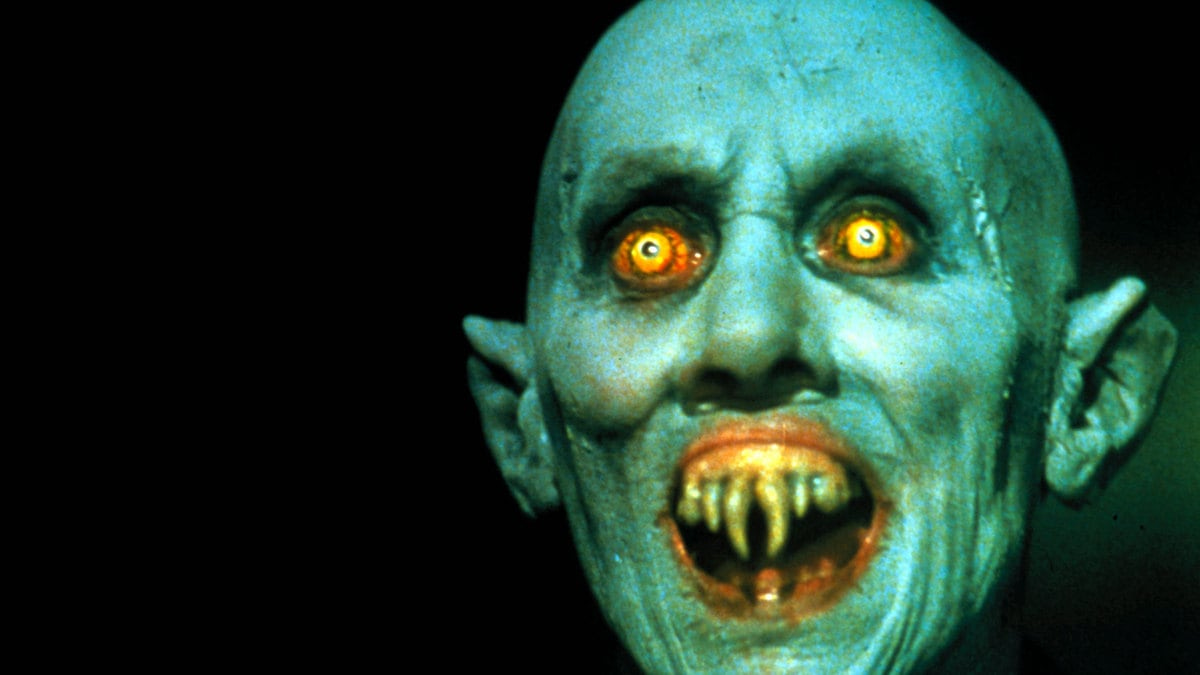
Salem’s Lot, for example, made sure the audience knew that the vampires were evil. They are not presented as complex emotional beings—in fact, the first victim of the vampire is a child. There is no “talking it out” or changing their minds… the vampires are taking over the town and will do whatever they need to in order to do it.
They are driven by selfishness and greed.
Similarly, we have 30 Days of Night. This one in particular shows a much more realistic idea of what a vampire is. They are simply killing machines. There is no hope for mercy.
As said by the vampires themselves: “There is only pain and hunger.”
The film is bloody because vampires are, after all, probably one of the goriest monsters there are. They feed, and feed, and feed. They just keep feeding. They are gluttonous not only for blood but for trophy hunting.
Begging does not save you. Being “friendly” does not save you. Being a child does not save you.
Vampires do not care who you are. You are their prey. You are their victim.
In 30 Days of Night, those who are turned into vampires are even quick to turn on their own family. They are simply made evil. With no hope for return. Only death is the answer to fix a vampire’s soul.
Vampires are meant to be predatory monsters, and using their image for romance sets a dangerous precedent for desperate minds.
Their behavior isn’t meant to be glorified, but rather to be used as a warning.
I appreciated this so much! I'm on my vampire game again with spooky season coming up
"Vampires are meant to be predatory monsters, and using their image for romance sets a dangerous precedent for desperate minds.
Their behavior isn’t meant to be glorified, but rather to be used as a warning."
I remember when I was a child and was entranced by Tom Cruise and Brad Pitt's forever damned duo in Interview With The Vampire. I would fantasize about being a vampire, wearing long trench coats, drinking cranberry juice out of a cognac glass or wine glass. Wanting to a be a vampire every year for Halloween too. However, as I got older and still kept studying vampires, I realized how horrible of an experience it would be.
I saw the longing for death as a gift to vampire (similar to Louie and Lestat), the never ending selfishness and greed of blood and toxic companionship. But one specific concept always represented a true predator with the vampire. That is always needing permission to enter the threshold of a victim. That is the scariest piece. It plays on humans' emotions and trust. Where you have to question yourself on whether or not you should let them in or not. Once you do, there is no going back. You become one of the living dead or a victim.