

Your Car is Watching You
Christine and the Modern Car System

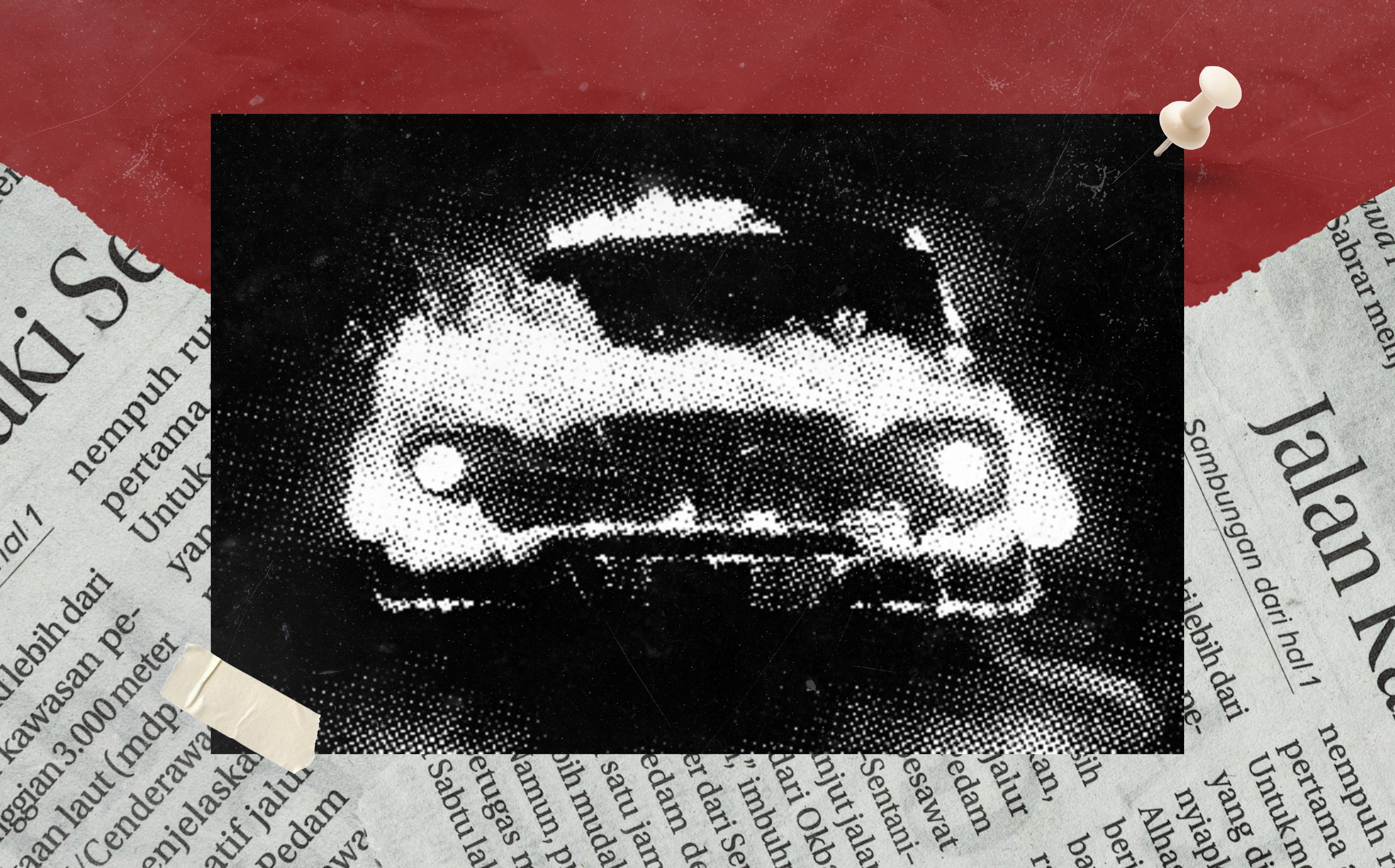
In 2009, the Car Allowance Rebate System was introduced to the public. Otherwise known as “Cash for Clunkers,” this federal program offered up to $4,500 to consumers who scrapped their older vehicles in exchange for a new, “fuel-efficient” one.
The death total for these cars varies, with some articles citing over 670,000 to even 750,000 vehicles being destroyed during the short time this program ran.
In short, the program was designed to stimulate an automotive industry still reeling from the 2008 financial crisis.
In 2026, things are no different.
Yet, our circumstances have only gotten worse.
The automobile has always had a unique place in American culture, with car salesmen telling us that the newest model will solve all of our problems.
This one is more fuel-efficient. This one is faster. This one is more eco-friendly. But this one has heated seatbelts.
Cars have become a symbol of status rather than simply a mode of transportation, with millions of Americans taking on debt in pursuit of luxury.
In hindsight, it would be silly for The Archive to not mention the case of Christine, a vehicle fueled by the very nature of the American obsession with cars.
Yet... there are some things that even past cases can't warn us about.
Cars don’t need to be haunted to be dangerous.

PART I. Man vs. Car
The modern vehicle isn’t dangerous because of a supernatural entity.
While Christine was believed to have some kind of paranormal power that could overtake its driver, modern cars rely on something much more simple: Artificial Intelligence.
In 2020, the first ever driverless car was available to the public in Phoenix, Arizona. Similar to rideshare apps, Waymo was hailed as the first robotaxi to successfully drive its passengers without human intervention.
Now, in 2026, Waymo is available in multiple different cities and continues to expand. However, Waymo has had its fair share of issues. From driving into floods, running over pedestrians, and even killing a beloved neighborhood cat, it’s safe to say that despite its advanced technology, a robotaxi still lacks the human judgment many drivers rely on every day.
A robo car cannot sense things like humans can, thus resulting in the many problems the robotaxi service has come across.
But even before Waymo, the world had access to self driving vehicles via Tesla’s driver assistance system. In some cases, Tesla’s system can come in handy with tight parking spaces or narrow roads, in other instances, it causes severe hazards.
Although Tesla tells its drivers to supervise the system, there have been reports of people sleeping behind the wheel while letting their car do all the work, resulting in extremely dangerous situations.
While these situations are certainly cause for concern, the Archive wants to bring our readers back in time to 1978.
Reports of a “killer car” ran rampant in Rockbridge, California. Eyewitnesses said that a 1958 Plymouth Fury was a known road hazard, driving recklessly around the town.
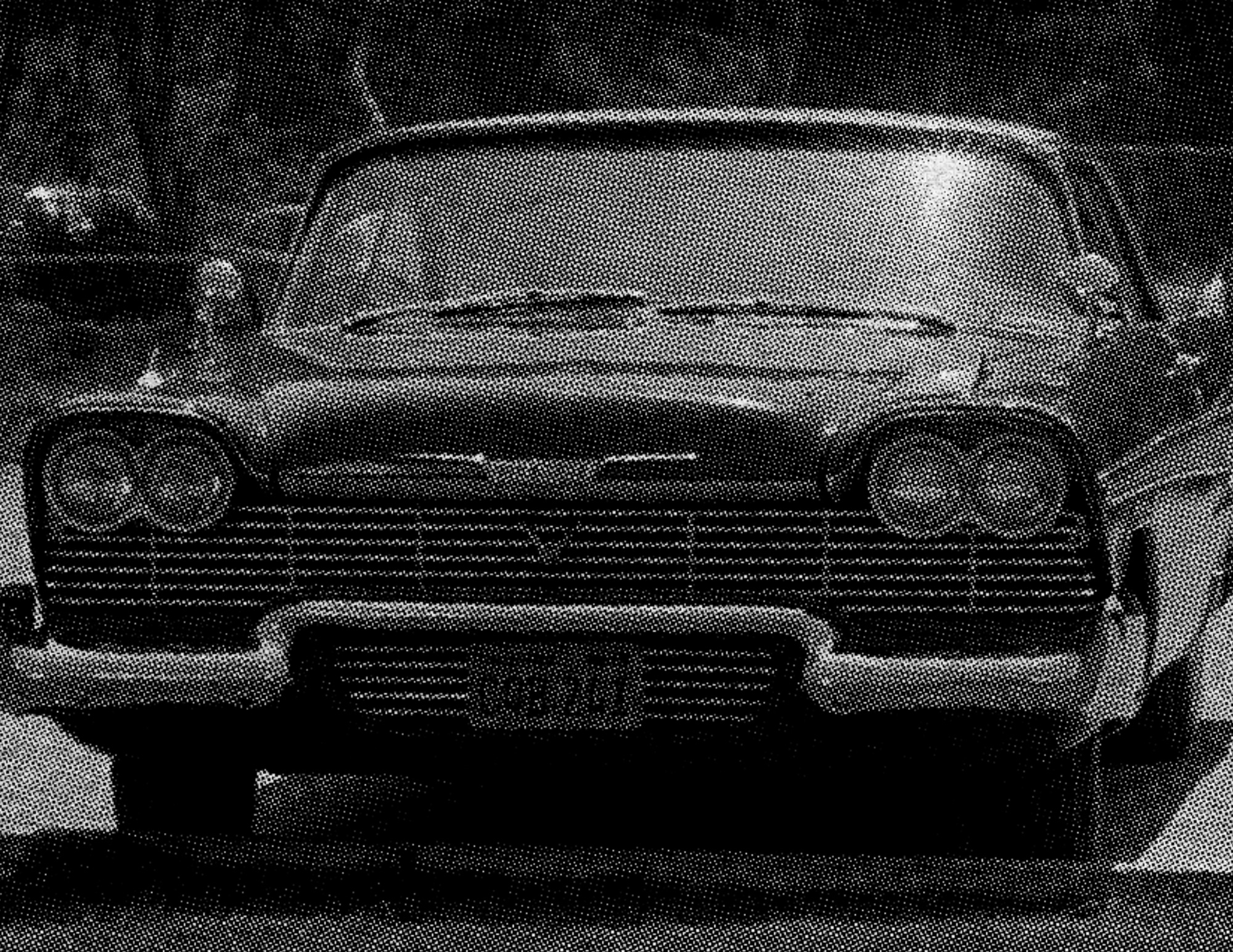
The owner, Arnold Cunningham, grew an unhealthy obsession with the vehicle.
All of this is to say, many people in Rockbridge believed that Cunningham was possessed by the car. Theories only grew more widespread when it was revealed that its previous owner had committed suicide in it.
It was believed that Christine had some sort of supernatural intelligence, an entity connected to it if you will.
And just like Waymo or Tesla, Christine drove without care, with multiple reports from that year in Rockbridge citing car related deaths.
But The Archive isn't only interested in how AI drives.
In modern day, these systems are doing more than just driving you to your destination.
They’re tracking you.
PART II. Watching You Closely
The Archive has been paying attention, just like you, to social media outrage.
All over the internet are people fear mongering about the “kill switch” that will be introduced in every vehicle manufactured in 2027 and beyond.
This comes from Section 24220 in the 2021 Infrastructure Investment and Jobs Act, which states that every new passenger vehicle must be equipped with “advanced drunk and impaired driving prevention technology.”
On the surface, this doesn’t seem too terrifying. Prevention of impaired driving seems like a good thing until you dive deeper into what exactly this technology means. As stated by National Law Review, these systems could include:
A passive performance-monitoring system that continuously observes a driver’s behavior and restricts or prevents vehicle operation if the system determines the driver may be impaired; or
A blood-alcohol detection system that prevents or limits operation when BAC meets or exceeds the legal limit of 0.08%.
This is further supported by H.R. 6704, introduced during the 119th Congress in 2025, which brought up the concept of a national competition as a catalyst for such technology.
Those who created technology as requested by federal law would win up to $45 million.
As cited in Sec. 3:
  (1) implement the adoption of breath-based, touch-based, or
        other sensor technology to prevent drivers with a blood alcohol
        concentration at or above the legal limit from operating a
        vehicle; or
            (2) install consumer-ready, passive, advanced anti-drunk
        driving technologies in vehicles to eliminate drunk driving.
However, The Archive must remind our readers that a “kill switch” is never explicitly stated in any law or bill. That is not to say such concerns are impossible. Rather, the more immediate issues are stated plainly and openly for everyone to see.
Future systems may rely on sensors and automated decision-making to determine whether a driver is fit to operate a vehicle.
What is being said here is quite simple: your car will always be watching you.
Your car will be monitoring you. Tracking you. Judging you.
Yet, this bill is nothing new to the residents of Rockbridge nor Arnold Cunningham.
Christine didn’t need software or sensors to monitor her owners. She was doing it from pure grit.
The Plymouth Fury was before GPS, cameras, or Apple CarPlay. Yet, Christine was highly intelligent.
Christine watched Cunningham closely. She knew everything about him: his friends, his foes, his desires, and the people she thought stood in his way.
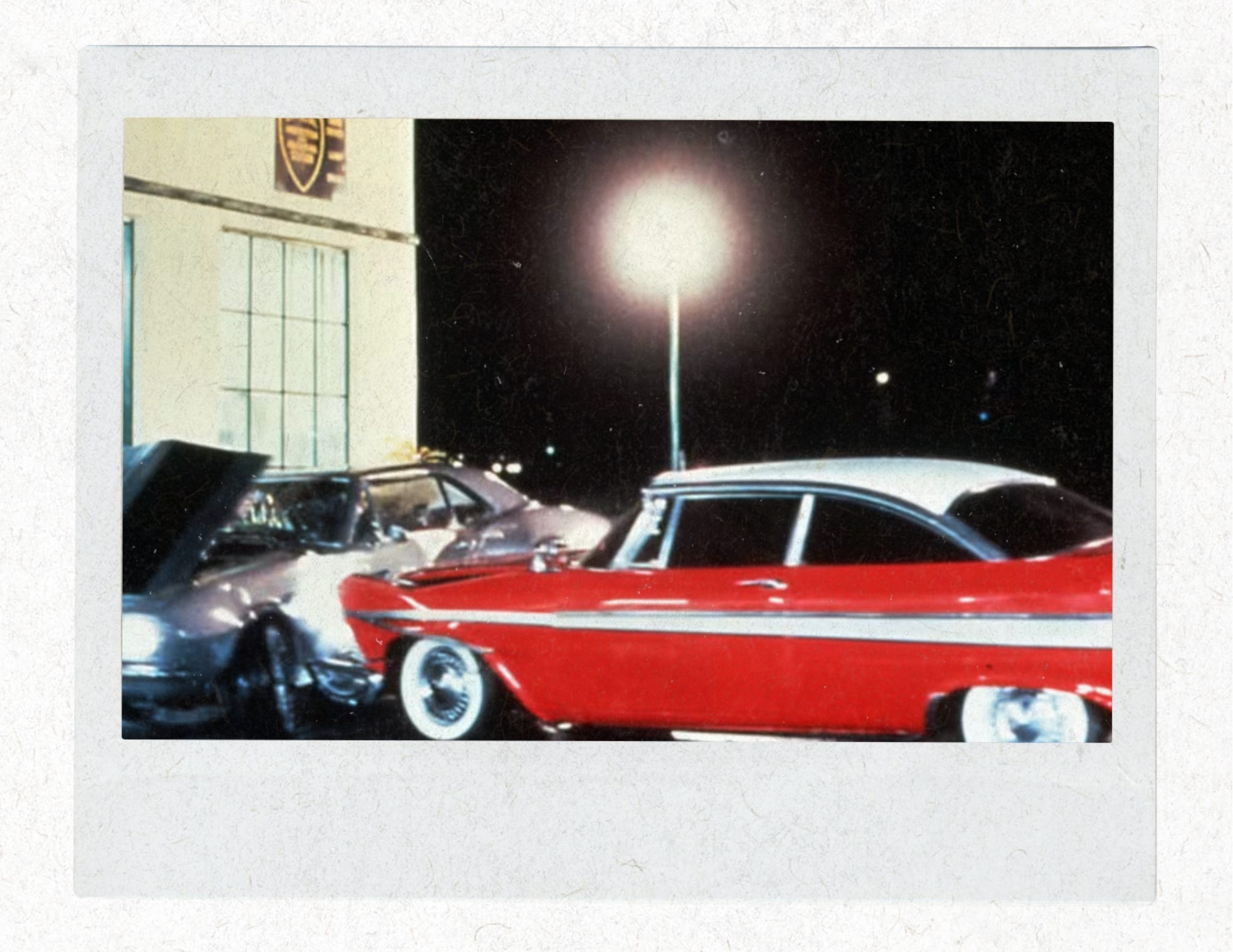
And now, modern cars are increasingly being built to observe their drivers in much the same way.
To know everything about you.
To collect your data.
But then The Archive must question: Where does all of this data go?
PART III. Money Talks
What exactly does it mean to “touch-based” technology in a car to understand if you are inebriated?
Many have suggested the driver's overall movements: jerking, breaking, reckless speeding, etc.
In fact, some cars have already implemented technology similar. If drivers are believed to be too tired, many cars will suggest for drivers to stop and rest or to call a friend.
This seems relatively harmless. The real issue comes from the data collection that may come from these new systems that Section 24220 proposes.
Because where exactly is it all going? The government? The police department? The car manufacturer? The insurance companies?
The Archive employs very smart people. Thus, they have reading comprehension. While the bill reads that all of this is for drunk driving prevention, it’s hard to believe that these systems will only be used for such.
Admittedly, The Archive has crafted its own theories around the data collection that these vehicles will be used for… and the answer isn’t that surprising.
This is all for money.
Why, of course it is.
The Archive cannot say for certain where such data may ultimately end up. However, if one were forced to place a bet, it would be difficult to overlook the insurance industry.
This theory isn’t from nowhere. This has been reported to have already been happening with car manufacturers selling data to insurance companies. This raises the question about whether or not detailed driving data may be used to influence insurance pricing.
The Operator even admitted that this conclusion feels a little boring compared to most of our theories, considering this isn’t quite as “Big Brother” as we usually would go, but it is the most realistic.
(Although, The Archive is not doubting the iffy nature of the government’s tendencies to survey its citizens either, considering the recent invasion of Flock cameras around cities.)
Still, it’s admittedly a bit lame. Especially in comparison to the great Christine, who essentially stalked her owner for the love of the game rather than for increased premiums.
CONCLUSION
So... what does any of this have to do with Cash for Clunkers?
Well, the government wants you to get in a new car because over one million Americans are priced out of the new-car market. This is due to multiple factors: people don’t want debt, people hate modern cars, people can’t afford new cars, and the list goes on.
In the meantime, gas stations can now sell 15% ethanol cut gasoline due to the H.R. 1346 bill. Critics of expanded E15 availability have raised concerns about compatibility with certain older vehicles.
The Archive believes our readers can come to their own conclusions with the evidence presented.
Perhaps that’s why Christine’s case was covered up for so long. Yes, the concept of a car being possessed does seem far-fetched, but realistically, The Archive must wonder about the true motives behind keeping it classified for so many years.
Christine refused to die.
She refused to change.
Despite her many faults, she never asked for a subscription to enable heated seats. She never gave out driver data to insurance companies.
Her biggest crime was being reliable.
It’s strange. Rockbridge feared a car that thought for itself.
Now, we are being groomed into being more comfortable with it.
If you believe in The Archive’s work, you can support further investigations here.